Waking up to your dog retching, then finding a puddle of foamy yellow liquid. It’s a distressing sight for any pet parent. This common occurrence, often called morning bile or bilious vomiting syndrome, signals a protesting digestive system, an empty stomach, or a diet that’s just not balanced. For many Indian dogs, particularly those fed just once a day or on diets heavy in carbs, this is a frequent problem. But with a few targeted dietary shifts, you can effectively manage and prevent morning bile in Indian dogs.
Yellow Bile Vomiting at a Glance
| What it is | Yellow or foamy vomit, usually early in the morning on an empty stomach (often called bilious vomiting syndrome) |
|---|---|
| What usually helps | Splitting food into 2 or 3 meals and giving a small bedtime snack, so the stomach is not empty for 12 hours or more |
| Bedtime snack ideas | A spoonful of the regular meal, a piece of boiled egg, or a plain dog biscuit |
| Not normal if | It happens most days, your dog will not eat afterwards, or you see blood or weight loss |
| Other causes a vet may check | Gastritis, eating grass or garbage, parasites, pancreatitis, liver or kidney disease, or a blockage |
Morning bile in Indian dogs happens when the stomach stays empty too long. Strong gastric acids then irritate the stomach lining, causing reflux and bile vomiting. Prevention means smaller, more frequent meals. It means a diet that actually suits their biology. And it means a digestible bedtime snack, like our Pumpkin PB Biscuits, to keep their stomach settled overnight.
What is Morning Bile and Acid Reflux in Dogs?
Morning bile strikes when a dog’s stomach remains empty for too long. Gastric acids, naturally potent in carnivores (pH 1-2), start irritating the stomach lining. This irritation triggers reflux. Bile, a digestive fluid from the liver, gets vomited up. Bile is usually yellow or greenish-yellow. It can look foamy from air swallowed during retching.
Dogs are carnivores. Their short digestive tracts and highly acidic stomachs are built for processing meat fast. When their stomach is empty for 10-12 hours or more, especially overnight, these strong acids have nothing to work on. This leads to irritation and reflux. It’s more than just discomfort. Chronic acid reflux can lead to serious issues like oesophagitis, or even changes in the oesophageal lining over time.
Why are Indian Dogs Prone to Morning Bile?
Several factors common in Indian households can make dogs more susceptible to morning bile:
- Once-a-Day Feeding: Many Indian families feed their dogs only once a day, usually in the evening. This leaves a prolonged empty stomach overnight, a primary trigger for bile vomiting.
- High-Carb, Low-Protein Diets: Traditional home diets often rely heavily on rice or roti with minimal meat. While dogs can digest some carbohydrates, their primary nutritional need is protein and fat. High-carb diets can also alter stomach pH, making it less efficient and more prone to irritation. Learn more about roti for dogs.
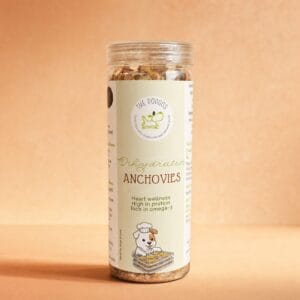
- Ignoring the Omega-6:3 Balance: Commercial chicken, common in India, is often corn- and soy-fed, resulting in an Omega-6:3 ratio as high as 20:1 or 30:1. This imbalance floods the body with inflammatory markers, which can exacerbate existing gut sensitivities and acid reflux, often mistaken for “heat” from chicken. Adding Omega-3s via Hemp Seed Oil or dehydrated fish can help.
- Irregular Feeding Schedules: Dogs thrive on routine. Inconsistent meal times can disrupt their digestive rhythm, leading to stomach upset.
Dietary Strategies to Prevent Morning Bile
Managing morning bile in Indian dogs boils down to understanding their carnivorous biology and adapting their diet and feeding schedule accordingly.
Frequent, Smaller Meals
Instead of one large meal, split your dog’s daily food into two or three smaller meals. This keeps their digestive system working steadily and prevents the stomach from becoming overly empty. For example, a morning meal, an afternoon snack, and an evening meal. For dogs with severe morning bile, an additional small, easily digestible snack right before bedtime is crucial.
Balanced, Meat-Rich Diet
Ensure your dog’s diet is rich in high-quality animal protein and healthy fats, with appropriate fibre from vegetables. Dogs’ stomachs are designed for meat. A diet too high in grains or starches can dilute stomach acid and make digestion less efficient, contributing to reflux. Aim for fresh, gently cooked meat, ensuring you always debone after cooking to prevent splintering.
The Importance of a Bedtime Snack
This is often the most effective intervention for morning bile. A small, digestible snack an hour or two before your dog settles for the night can absorb excess stomach acid and prevent irritation. This snack should be low in fat and easily broken down, providing just enough to keep the stomach occupied until morning.
Common Mistakes Indian Pet Parents Make
- Feeding Only Once a Day: As mentioned, this is a major culprit. Switching to multiple smaller meals, even if it means adjusting your schedule slightly, is paramount.
- Over-reliance on Grains: While a small amount of rice can be fine, making it the bulk of the meal, especially with commercial kibble, works against a dog’s carnivore biology. Their saliva has no amylase, meaning grains are not pre-digested and strain their pancreas.
- Ignoring Hydration: While fresh food is 70% water, kibble is only 10%. If your dog is on kibble, ensure constant access to fresh water. Dehydration can exacerbate digestive issues.
- Giving Human Snacks: Many Indian snacks are too spicy, oily, or sugary for dogs, leading to indigestion and acid reflux. Opt for species-appropriate treats instead.
When to Consult Your Vet
While dietary changes often resolve morning bile, persistent or severe vomiting, especially if accompanied by lethargy, appetite loss, or blood, warrants immediate veterinary attention. Your vet can rule out underlying medical conditions such as pancreatitis, inflammatory bowel disease, or organ issues.
Keep reading
Frequently Asked Questions
Why is my dog throwing up yellow foam?
Yellow foam is usually bile mixed with stomach fluid. A one-off episode on an empty stomach is common and often settles with an earlier dinner or a bedtime snack. Repeated episodes, vomiting food, or vomiting with lethargy or diarrhoea need a vet check.
Should I feed my dog after it vomits bile?
If your dog vomited once, is bright and keeps water down, offer a small portion of its normal food or a bland meal about an hour later. If it vomits again, hold food for a few hours and call your vet.