
The monsoon brings a verdant flush across India, and with it, a hidden danger for our curious canine companions: wild mushrooms. Every year, I hear stories from pet parents in Mumbai, Bengaluru, and Chennai about their dogs sniffing out or even ingesting fungi during walks. The fear is real, and rightly so.
Quick Answer: Store-Bought vs. Toxic Wild Fungi for Dogs
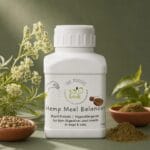
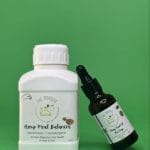
Most common store-bought mushrooms like button, cremini, and shiitake are generally safe for dogs when cooked thoroughly and fed in moderation, offering beneficial nutrients. However, toxic wild fungi found in gardens and parks across India are extremely dangerous and can cause severe illness or even death, making identification impossible for the average pet parent. Always assume wild mushrooms are toxic. For a balanced diet that supports overall health, even when you’re cautious about specific ingredients, consider adding Hemp Meal Balancer to their meals.
The Mushroom Minefield: Store-Bought vs. Toxic Wild Fungi for Dogs
As a canine nutritionist, I constantly remind pet parents in India that while fresh, whole foods are paramount, not everything found in nature is safe. Mushrooms are a perfect example of this paradox. We have a vast array of edible and medicinal mushrooms available in local markets, but our climate also supports an equally vast and often indistinguishable range of highly poisonous species.
The key distinction lies in certainty. With store-bought varieties, you know exactly what you are getting. With wild mushrooms, even seasoned foragers struggle with identification, and the stakes are simply too high when it comes to your dog’s life.
Why Wild Mushrooms Are a Major Hazard for Indian Dogs
India’s tropical and subtropical climates, especially during the monsoon, create ideal conditions for fungi to thrive. You’ll find them sprouting everywhere: in your garden, local parks, even roadside patches. The danger is multi-fold:
- Difficulty in Identification: Many toxic mushrooms mimic harmless varieties. Without expert knowledge, distinguishing a safe mushroom from a deadly one is virtually impossible. A common example is the Death Cap (Amanita phalloides), which can be fatal even in small amounts.
- Rapid Growth: Fungi can appear overnight after rain, catching unsuspecting pet parents off guard.
- Dog’s Curiosity: Dogs explore with their noses and mouths. A fascinating smell or texture can lead to ingestion before you even realise it.
- Potency: Even a small piece of a highly toxic mushroom can cause liver failure, kidney damage, neurological symptoms, or severe gastrointestinal distress.
- Delayed Symptoms: Some toxic mushrooms, like the Death Cap, have delayed onset of symptoms (6-24 hours), making diagnosis and treatment challenging. By the time symptoms appear, significant damage may have already occurred.
In my practice, I once had a client from Pune whose Indie dog, Rani, picked up a wild mushroom during an evening walk. Within hours, she was vomiting violently. The owner rushed her to the vet, but without knowing the mushroom type, treatment was reactive. Rani was lucky and pulled through after intensive care, but it was a stark reminder of how quickly things can go wrong. I always advise immediate vet consultation if you suspect wild mushroom ingestion, along with a sample of the mushroom if safely possible. This is one area where caution is truly life-saving.
Here’s a quick comparison to highlight the difference:
| Feature | Wild (Toxic) Mushrooms | Store-Bought (Safe) Mushrooms |
|---|---|---|
| Source | Outdoor environments (gardens, parks, forests) | Reputable grocery stores, markets |
| Identification | Extremely difficult, often impossible without expert knowledge | Clearly labelled, known varieties |
| Risk Level | High, can be fatal even in small amounts | Low, generally non-toxic when prepared correctly |
| Preparation | NEVER consume or allow pets to consume | Must be cooked thoroughly, plain (no seasonings) |
| Common Mistake | Assuming a mushroom is safe because it looks familiar | Feeding raw or seasoned mushrooms |
Safe Mushrooms for Dogs: What You CAN Feed
When it comes to safe mushrooms, stick to those you buy from a reputable grocery store or vendor. These are cultivated for human consumption and are generally non-toxic. The safest varieties include:
- Button Mushrooms (Agaricus bisporus): The most common and widely available.
- Cremini Mushrooms (Baby Bella): A slightly darker, more flavourful version of button mushrooms.
- Portobello Mushrooms: Large, mature cremini mushrooms.
- Shiitake Mushrooms: Known for their unique flavour and medicinal properties.
- Reishi Mushrooms: Often used as a supplement, known for immune-boosting qualities.
Important Rule: Always cook mushrooms thoroughly. Raw mushrooms can be difficult for dogs to digest and may contain small amounts of compounds that are broken down by heat.
Health Benefits of Edible Mushrooms for Dogs
Beyond being a safe treat, certain edible mushrooms offer genuine health benefits for our dogs. They are rich in:
- Beta-Glucans: These complex carbohydrates are powerful immune modulators, helping to strengthen your dog’s immune system and fight off infections.
- Antioxidants: Mushrooms contain compounds like selenium and ergothioneine, which combat free radicals and reduce oxidative stress, contributing to overall cellular health.
- Vitamins and Minerals: They provide B vitamins (B2, B3, B5), selenium, copper, and potassium, all essential for various bodily functions.
- Prebiotic Fibre: Some mushrooms contain fibres that feed beneficial gut bacteria, supporting a healthy digestive system.
These benefits contribute to a dog’s vitality, much like the ancient superfoods I discuss in my book, “The Desi Carnivore”.
How to Safely Prepare and Serve Mushrooms to Your Dog
If you decide to offer your dog safe, store-bought mushrooms, follow these simple steps:
- Select Fresh Mushrooms: Choose firm, clean mushrooms without any mould or sliminess.
- Wash Thoroughly: Rinse them under cold water to remove any dirt.
- Slice and Cook Plain: Cut them into small, bite-sized pieces. Cook them plain, without any oil, butter, salt, garlic, or onions. These common human cooking ingredients are toxic to dogs. Steaming or boiling are the safest methods.
- Cool Completely: Ensure the cooked mushrooms are cooled to room temperature before serving.
- Start Small: Introduce a tiny amount first (e.g., 1-2 small pieces for a medium-sized dog) to observe for any digestive upset.
- Moderation is Key: Mushrooms should be an occasional treat, not a staple.
Ensuring Complete Nutrition with The Doggos Hemp Meal Balancer
While adding ingredients like safe mushrooms can boost your dog’s health, it’s easy for home-cooked meals to fall short on a balanced nutritional profile. Many Indian pet parents cook chicken and rice, but this often lacks the correct calcium:phosphorus ratio and a full spectrum of amino acids and micronutrients.
This is where a dedicated supplement like Hemp Meal Balancer becomes indispensable. It’s designed to complement your home-cooked meals, ensuring your dog receives all the essential amino acids, Omega-3s, and prebiotic fibre they need for optimal health. It turns a simple “survival meal” into a “thriving meal”, giving you peace of mind that your dog isn’t missing out on anything vital.
For more insights on making home-cooked meals truly complete, check out our guide on homemade dog food recipes in India.
Common Mistakes Indian Dog Parents Make with Mushrooms
- Feeding Wild Mushrooms: This is the most dangerous mistake. Never, ever, allow your dog to eat any mushroom found growing outdoors.
- Feeding Raw Mushrooms: Even safe varieties should be cooked to aid digestion and break down certain compounds.
- Feeding Seasoned Mushrooms: Garlic, onions, and excessive salt are common in Indian cooking but are toxic to dogs.
- Overfeeding: Too much of a good thing can cause digestive upset. Mushrooms should be a small, occasional treat.
- Assuming All Store-Bought Are Safe: While rare, always ensure you know the specific type of mushroom you are buying.
FAQ: Mushrooms for Dogs in India
Ultimately, when it comes to what should I feed my dog, the principle of ‘when in doubt, leave it out’ applies strongly to wild mushrooms. Stick to fresh, whole, safely prepared foods. And for those who aim for truly balanced home-cooked meals, remember the importance of supplementation.
To ensure your dog’s daily diet is nutritionally complete and supports their health from the inside out, I highly recommend our Hemp Meal Balancer. It’s the perfect addition to any home-cooked meal, filling the nutritional gaps and ensuring your dog thrives.