When we talk about feeding our dogs here in India, the chicken versus mutton question comes up a lot. Both are excellent protein sources, easy to find in any local market. But their nutritional makeup and how best to use them in your dog’s diet? That’s where things get different. It’s not about which is ‘better’ overall, but which is better for a specific job.
Quick Answer: Mutton vs Chicken for Dogs vs Daily Diet in India
For your dog’s daily diet in India, chicken is a highly digestible and affordable protein staple, best balanced with Omega-3s. However, mutton is superior for recovery, boosting immunity, and providing vital minerals, especially after illness or during colder months. To support recovery and provide essential nutrients, I often recommend incorporating Dehydrated Mutton Trotters into their routine.
Mutton vs Chicken for Dogs: Understanding Their Roles in an Indian Diet
As a canine nutritionist, I see pet parents defaulting to chicken. It’s economical, it’s everywhere. Chicken has its place, absolutely. But you need to understand what each meat brings to the table. India’s climate, how active your dog is, even traditional Ayurvedic principles, they all play a part in making the right choice.
The Carnivore’s Plate: Why Protein Matters
Dogs are carnivores. That’s it. Their bodies are built to run on meat. Think about it: a stomach pH that’s practically acid, a short digestive tract, and zero amylase in their saliva. They are designed to break down protein and fat, not grains. Protein is the absolute foundation for muscles, organs, skin, coat, and a strong immune system. Without enough high-quality protein, a dog just won’t thrive. It’s that simple.
Chicken: The Everyday Champion
Chicken is a fantastic protein for day-to-day feeding. It’s lean, most dogs digest it easily, and it’s generally well-liked. It gives them the essential amino acids they need. But there are things to watch out for, especially when you’re feeding chicken here in India:
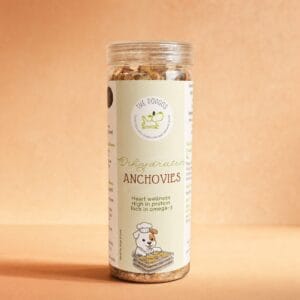
- Omega-6 Imbalance: Commercial chicken here is often fed corn and soy. This pushes the Omega-6 to Omega-3 ratio to 20:1, sometimes even 30:1. That’s not a number, that’s an itch. This imbalance fuels inflammation. Paw-licking, hot spots, chronic ear infections, most owners blame allergies. It’s inflammation. Add Hemp Seed Oil or a scoop of dehydrated anchovies to every chicken meal and you’ll see the difference in three weeks.
- Hygiene Gap: Sourcing chicken from local wet markets in Mumbai or Chennai means dealing with high humidity and potential bacterial contamination. Gentle cooking, pressure cooking is non-negotiable, is essential to kill pathogens like Salmonella and E.coli.
- Debone Safely: Always debone chicken after cooking. Cooked bones become brittle. They don’t dissolve. They shatter. One sharp shard, one perforated intestine, and you’re at the emergency vet at midnight. This is the trap so many well-meaning Indian parents fall into.
Mutton: The Recovery Powerhouse
Mutton, especially goat meat, is a nutritional powerhouse for dogs. It’s what you reach for when recovery or a serious boost is needed. In Ayurveda, it’s often called a ‘warming’ protein. It offers several distinct advantages:
- Rich in Iron and Zinc: Mutton has about 3 times the iron and 4 times the zinc found in chicken. These minerals are critical for making red blood cells, for your dog’s immune system, and for healing wounds. This makes it perfect for dogs recovering from tick fever or surgery.
- Leaner Profile: Generally, goat meat is leaner than the chicken you find commercially. It gives you a good protein-to-fat ratio.
- Hypoallergenic Potential: Many dogs with chicken allergies or sensitivities do well with mutton. The protein structure is different.
- Joint Support: Mutton is an excellent source of collagen. That’s vital for healthy joints and keeping tissues elastic.
Comparison Table: Mutton vs. Chicken for Indian Dogs
| Feature | Chicken (Commercial Indian) | Mutton (Goat Meat) |
|---|---|---|
| Primary Use | Daily staple, maintenance | Recovery, immune boost, winter, seniors |
| Iron Content | Good | Excellent (3x chicken) |
| Zinc Content | Good | Excellent (4x chicken) |
| Omega-6:3 Ratio | Often imbalanced (high Omega-6) | Better balanced, less inflammatory |
| Ayurvedic ‘Effect’ | Neutral to slightly ‘cooling’ | ‘Warming’ protein, good for vata/kapha |
| Digestibility | Very high | High |
| Cost (approx. per kg) | Lower (Rs. 180-250) | Higher (Rs. 600-800+) |
| Allergy Potential | Common due to over-exposure | Lower, novel protein for many |
The “Heat” Myth: Omega-6 Inflammation vs. Thermal Effect
A lot of Indian pet parents talk about chicken or eggs causing ‘heat’, leading to skin rashes, itching, or lethargy. They often link this to Ayurvedic or TCM principles. While meat does have a high Thermic Effect of Food (TEF), meaning it takes more energy to digest and can slightly raise body temperature, the rashes and itching are almost always a sign of Omega-6 induced inflammation. This is particularly true with corn and soy-fed commercial chicken.
Instead of cutting out the protein, balancing the diet with anti-inflammatory Omega-3s, like those from Dehydrated Anchovies, or Hemp Seed Oil, which has the rare anti-inflammatory Omega-6 GLA, usually sorts out these ‘heat’ symptoms. You don’t need to switch to a vegetarian diet or bland rice to cool them down; you need to balance their fats.
The Doggos Method: Cooking Meat, Dehydrating Bone
My philosophy is simple: “Cook the Meal, Dehydrate the Bone.” It tackles the specific challenges of feeding pets here in India:
- Cook the Meat: Gently pressure-cook all meat to eliminate pathogens. Indian wet markets, especially during monsoon, pose a significant cross-contamination risk that raw feeding simply cannot justify in a home environment.
- Debone After Cooking: NEVER feed cooked bones. High heat makes bones brittle, turning them into sharp, dangerous splinters. This is a critical safety rule.
- Dehydrated Bones for Calcium and Dental Health: This is our ‘Goldilocks’ solution. Dehydration, low temperature, long hours, preserves the natural, porous bone structure. These bones crumble safely into a chalky powder, giving you essential calcium and phosphorus without splintering. This is how we achieve the crucial 1.2:1 Ca:P ratio safely.
When to Choose Mutton for Your Dog’s Diet
While chicken is a great daily protein, mutton really shines in specific situations:
- Tick Fever Recovery: Mutton’s high iron and zinc content helps rebuild red blood cells and platelets. This is vital for dogs recovering from tick fever.
- Winter Feeding: Its ‘warming’ properties and nutrient density make it ideal for colder months. It helps maintain body temperature and energy levels.
- Senior Dogs: Older dogs often benefit from the extra iron for vitality and collagen for joint support, easing stiffness.
- Lethargic or Weak Dogs: Mutton provides a substantial nutritional boost for dogs needing to regain strength or appetite.
- Chicken Allergies: If your dog shows signs of sensitivity to chicken, itching, digestive upset, mutton can be a great alternative for an elimination diet.
Enhancing Mutton’s Benefits with Dehydrated Mutton Trotters
This is where Dehydrated Mutton Trotters truly stand out. They aren’t just treats; they are functional whole-food supplements. They perfectly complement a mutton-rich diet, especially for recovery and joint health.
Our Dehydrated Mutton Trotters are slow-dehydrated, preserving their natural structure and nutrients. They provide:
- Natural Calcium and Phosphorus: Essential for strong bones, completing the Ca:P ratio when feeding boneless meat.
- Collagen Boost: Rich in collagen, vital for joint cartilage, skin elasticity, and gut lining repair. This is especially beneficial for senior dogs or those recovering from injuries.
- Dental Health: The chewing action helps scrape plaque and tartar, acting as a natural toothbrush.
- Mental Enrichment: Chewing is a natural stress reliever for dogs. It releases endorphins that promote calm and satisfaction. This is crucial for dogs on crate rest during recovery.
- High Iron Content: Directly supports red blood cell production, making them ideal for anaemic dogs or those recovering from blood loss due to tick fever.
By incorporating Dehydrated Mutton Trotters, you’re not just giving a chew; you’re providing a bioavailable source of essential minerals, collagen, and mental stimulation, all within our safe “Cook the Meal, Dehydrate the Bone” philosophy.
In my practice, I’ve seen remarkable turnarounds. I remember a Rajapalayam from Chennai who came to me after a severe bout of tick fever, struggling with low energy and lameness. We switched him to a mutton-based cooked diet, supplemented with two Dehydrated Mutton Trotters a week, plus daily Hemp Seed Oil. Within four weeks, his blood work improved significantly, and his gait became much stronger. It wasn’t just the meat, but the holistic approach including the bone-based calcium and collagen that made the difference.
Practical Feeding: Crafting a Balanced Bowl
Here’s how you can integrate mutton and chicken into your dog’s diet:
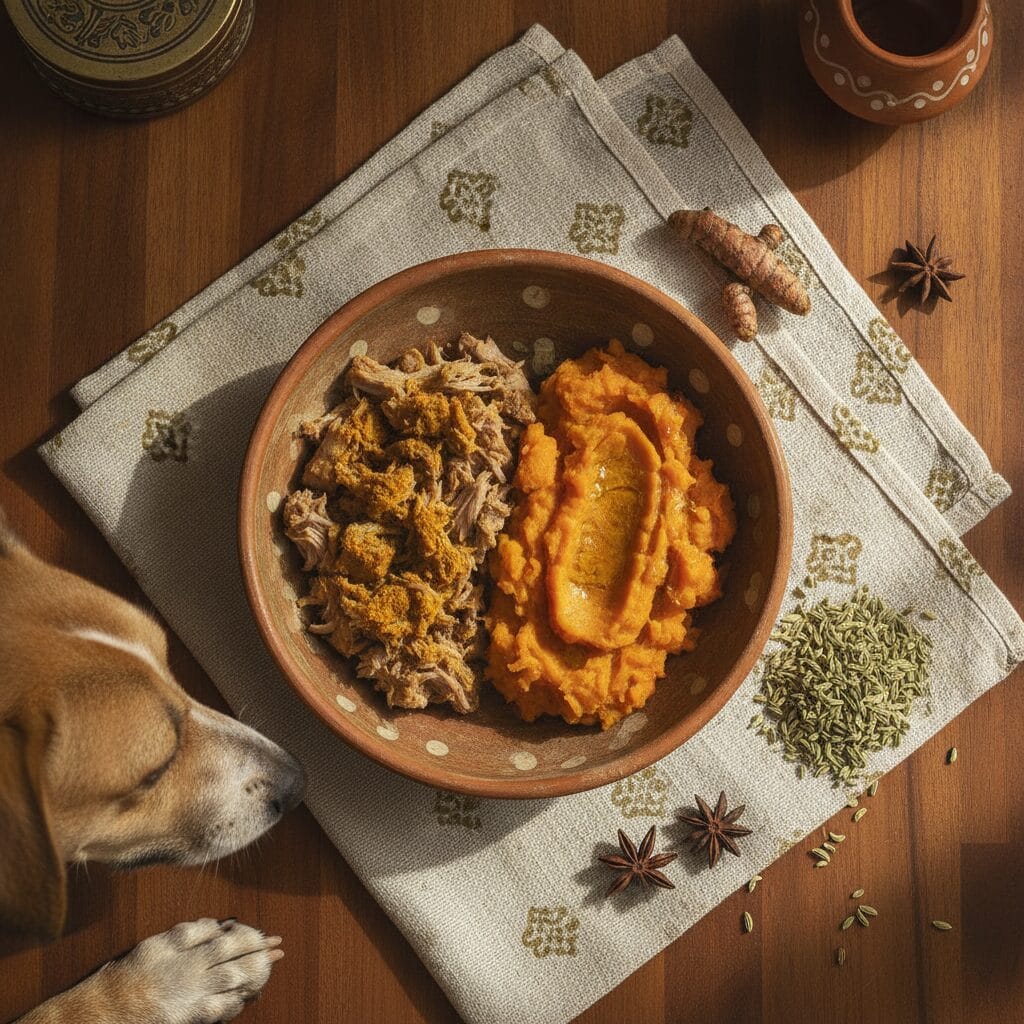
Daily Chicken Bowl (The Golden Chicken Bowl concept):
- 500g boneless pressure-cooked chicken (thighs or breast)
- 50g pressure-cooked liver (for Vitamin A)
- 100g red pumpkin or sweet potato (fibre)
- 1 tsp Hemp Seed Oil or a sprinkle of Dehydrated Anchovies (to balance Omega-6:3)
- A pinch of turmeric paste.
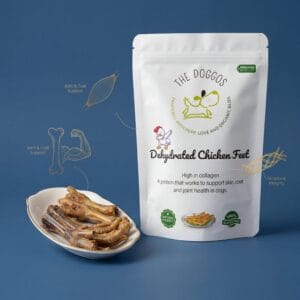
- For calcium: Add 1-2 Dehydrated Chicken Feet daily, or eggshell powder.
Mutton Recovery Stew:
- 500g boneless pressure-cooked goat curry cut.
- 100g sweet potato or green beans.
- A handful of spinach (wilted in residual heat).
- 1/2 tsp Hemp Seed Oil for additional anti-inflammatory benefits.
- Serve with one Dehydrated Mutton Trotters every 2-3 days for calcium, collagen, and iron.
Remember, the goal is balance. For more detailed guidance, explore our guide on chicken vs. mutton vs. fish: which protein is best for your Indian dog.
Common Mistakes Indian Pet Parents Make
- Feeding Cooked Bones: This is the most dangerous mistake. Cooked bones splinter and can cause fatal internal injuries.
- Ignoring Calcium:Phosphorus Ratio: A diet of only boneless meat leads to a phosphorus excess and calcium deficiency, causing severe skeletal issues over time.
- Believing the ‘Heat’ Myth to Stop Protein: Restricting meat due to perceived ‘heat’ often deprives dogs of essential protein. The issue is usually inflammation from imbalanced fats, not the protein itself.
- Over-Reliance on Roti/Rice: While acceptable in small amounts for fibre, making roti or rice the main component of a dog’s meal leads to nutrient deficiencies and strains their digestive system. Roti is not dog food. I know your grandmother fed your last dog roti and ghee for fifteen years. I know it feels mean to skip it. But a dog’s saliva has zero amylase, they cannot pre-digest grains. That roti hits their stomach whole, the pancreas works overtime, and over years you end up with a doughy, lethargic dog. Give them a dehydrated chicken foot instead. Same ritual, actually useful.
- Not Washing Meat Properly: Given Indian market conditions, always wash meat thoroughly, ideally with turmeric water, before cooking.
Frequently Asked Questions
Related Reading
- Shop the anchor product: Dehydrated Mutton Trotters in the catalog.
- Read more: Chicken vs. Mutton vs. Fish: Which Protein is Best for Your Indian Dog?.
- About the author: Mahiv Chhabra, certified canine nutritionist.