
When your beloved feline companion is diagnosed with diabetes, the first question that often comes to mind is: What can I feed my diabetic cat in India? The answer is clear: a natural, low-carb wet food diet. This approach is not merely a recommendation, it’s a necessity for managing blood sugar levels and improving your cat’s quality of life.
Quick Answer: Natural Low-Carb Wet Food for Diabetic Cats in India
For diabetic cats in India, the best approach is a natural, low-carb wet food diet, primarily consisting of gently cooked, deboned meats and organs, supplemented to ensure complete nutrition. This diet drastically reduces carbohydrate intake, which is essential for stabilising blood glucose. Given the challenges of sourcing and preparing raw food safely in India’s climate, cooking fresh meat is non-negotiable. To bridge the nutritional gaps in cooked diets and ensure adequate taurine and bone-derived minerals, I recommend supplementing with Bone and Organ Boost daily.
Why Low-Carb is Critical for Diabetic Cats in India
Cats are obligate carnivores. Their bodies are designed to process protein and fat, with very little need for carbohydrates. In India, many cat parents unknowingly feed diets laden with grains and starches, often in the form of dry kibble or even leftover chapatis.
This high-carb intake constantly spikes a cat’s blood sugar, forcing their pancreas to work overtime. Over years, this can lead to insulin resistance and eventually, Type 2 diabetes. For a cat already diagnosed with diabetes, continuing a high-carb diet makes blood sugar control almost impossible, often requiring higher insulin doses.
The humid climate of cities like Mumbai or Chennai also plays a role. Stored kibble can quickly go stale or grow mould, while fresh, cooked food offers superior hydration, which is vital for overall health and kidney function in diabetic cats. Fresh food is typically 70% water, compared to kibble’s mere 10%.
Understanding Feline Diabetes: It’s All About the Carbs
Feline diabetes mellitus, much like human Type 2 diabetes, is often linked to diet. When cats consume high-carbohydrate foods, their bodies convert these carbs into glucose, leading to a rapid rise in blood sugar. The pancreas releases insulin to move this glucose into cells. Over time, constant high glucose levels can lead to insulin resistance, meaning the cells stop responding effectively to insulin. This results in persistently high blood sugar, which damages organs and leads to diabetic complications.
For cats, a critical nutrient is taurine. This amino acid is found almost exclusively in animal protein, especially organ meats. Taurine is essential for heart health, vision, and reproductive function. A deficiency can lead to serious health issues, particularly in cats on homemade diets without sufficient organ inclusion. Cooked meat alone, particularly muscle meat, may not provide enough taurine, making supplementation via organ products like Bone and Organ Boost crucial.
A low-carb diet for diabetic cats aims to minimise these glucose spikes, allowing the pancreas to rest and potentially reducing the need for insulin. High-quality protein helps maintain muscle mass, while healthy fats provide sustained energy.
| Food Type | Typical Carbohydrate Content (Dry Matter Basis) | Notes for Diabetic Cats |
|---|---|---|
| Dry Kibble | 25-50% (often higher) | AVOID. High carbs cause significant blood sugar spikes, worsening diabetes. |
| Commercial Wet Food | 5-15% (check labels carefully) | Better than kibble, but many still contain fillers like rice, corn, or potatoes. |
| Homemade Cooked Meat | < 5% (if no grains/starches) | Ideal base for a low-carb diet. Needs careful balancing with organs and bone meal. |
| Organ Meats | < 5% | Excellent source of essential nutrients like taurine, B vitamins, and iron, with minimal carbs. |
Crafting Homemade Low-Carb Wet Food for Your Diabetic Cat
The Desi Carnivore method of “Cook the Meal, Dehydrate the Bone” is perfectly suited for diabetic cats in India. While raw feeding has biological merit, the reality of Indian wet markets and household hygiene makes it a risky proposition. Salmonella and E.coli are real threats that simple cooking eliminates.
- Cook the Meat: Gently pressure-cook boneless chicken thighs, goat meat, or fish (like anchovies or sardines). Pressure cooking ensures pathogens are killed while retaining moisture and nutrients. Always wash meat with turmeric water first for an extra layer of natural antiseptic.
- Debone After Cooking: NEVER feed cooked bones to cats. High heat makes bones brittle and prone to splintering into sharp shards that can cause fatal internal injuries.
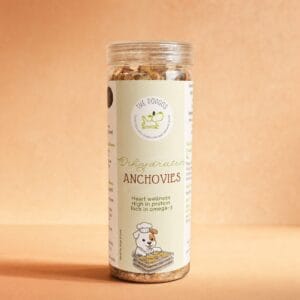
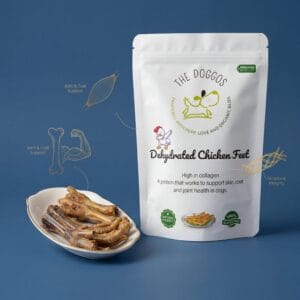
- Suitable Proteins: Chicken is a great staple. For a novel protein or for cats with sensitivities, consider whole dehydrated quail, which can be rehydrated and deboned after cooking, or even small dehydrated chicken heads (cooked and deboned) for added taurine and nutrients. Fish like dehydrated anchovies or sardines are excellent protein and Omega-3 sources.
- Minimal Vegetables: Cats don’t need carbohydrates. If adding vegetables, choose low-glycemic options like a tiny amount of steamed green beans or pumpkin, primarily for fibre and moisture, not as a main component.
- Hydration: Homemade wet food is naturally rich in moisture, which is excellent for kidney health, especially important for diabetic cats who may be prone to dehydration.
The Power of Bone and Organ Boost for Diabetic Cats
Simply cooking muscle meat for your cat, even if low-carb, is not enough. Cats are whole-prey eaters. In the wild, they consume not just muscle, but also organs, bones, and even some fur. These components provide critical nutrients that plain cooked muscle meat lacks.
This is where Bone and Organ Boost becomes indispensable for diabetic cats on a homemade diet. It’s a carefully formulated blend of dehydrated bone meal and organ meats, designed to provide the missing pieces:
- Taurine: Organ meats like liver and heart are rich in taurine, a non-negotiable amino acid for cats. Supplementing with Bone and Organ Boost ensures your diabetic cat gets enough taurine, protecting their heart and eyes.
- Calcium:Phosphorus Balance: Cooked boneless meat is high in phosphorus but low in calcium. Over time, this imbalance leaches calcium from your cat’s bones, leading to skeletal issues. The bone meal in Bone and Organ Boost corrects this, ensuring a healthy 1.2:1 calcium to phosphorus ratio.
- Essential Vitamins & Minerals: Organ meats are nutritional powerhouses, packed with Vitamin A, B vitamins, iron, and other trace minerals crucial for energy metabolism and overall health, which are especially vital for a compromised system like a diabetic cat’s.
For an adult cat, a typical dosage is 1/2 to 1 teaspoon of Bone and Organ Boost per 100g of cooked meat. Start slowly and gradually increase to the recommended amount over a few days.
From Mahiv’s Practice: “I once consulted for a Persian cat in Bengaluru whose diabetes was poorly controlled despite insulin. Her diet was commercial diabetic kibble. We switched her to a simple homemade diet of pressure-cooked chicken and fish, supplemented with a daily pinch of Bone and Organ Boost and a few dehydrated anchovies. Within three weeks, her blood glucose readings stabilised significantly, and her vet was able to reduce her insulin dose. It wasn’t magic, it was just giving her body what it was biologically designed for.”
Beyond the Basics: Essential Supplements for Diabetic Cats in India
While a meat-based diet balanced with Bone and Organ Boost forms the foundation, a few other additions can further support your diabetic cat’s health:
- Omega-3 Fatty Acids: Commercial chicken in India is often high in Omega-6s due to corn and soy feed, leading to an inflammatory imbalance. Omega-3s are anti-inflammatory and crucial for cellular health, skin, coat, and cognitive function. Small, short-lived fish like dehydrated anchovies or dehydrated sardines are excellent, low-mercury sources of DHA and EPA. They are not just treats, but vital balancers.
- Fibre: While not a primary component, a tiny amount of insoluble fibre can help regulate bowel movements. A pinch of baobab powder (not a product, but a ingredient we recommend) or a small amount of cooked green beans can be added. Baobab also offers immune-boosting Vitamin C.
- Hydration: Always ensure fresh water is available. The natural moisture in a homemade wet diet is a huge advantage, reducing strain on kidneys and improving overall well-being.
A Sample Meal Plan for Diabetic Cats in India
Here’s a simple, low-carb homemade wet food recipe for your diabetic cat:
The “Feline Power Bowl”
- Ingredients:
- 200g boneless chicken thighs (skin on for extra fat and taurine, if tolerated) or deboned whole quail
- 20g chicken liver (or other organ meat)
- 1/2 teaspoon Bone and Organ Boost
- 1-2 dehydrated anchovies (crumbled)
- Optional: A tiny pinch of steamed green beans or pumpkin, mashed (less than 5% of the total meal)
- Instructions:
- Wash chicken/quail and liver thoroughly, ideally with a turmeric water rinse.
- Pressure cook the meat and liver with a small amount of water (just enough to cover) for 2-3 whistles until tender.
- Once cooled, debone the meat completely. Mash or shred the meat and liver. Keep the cooking liquid.
- Mix the mashed meat and liver with the cooking liquid.
- Stir in the Bone and Organ Boost and crumbled anchovies.
- Add optional mashed vegetables if using.
- Serve at room temperature. Store leftovers in the refrigerator for up to 2-3 days.
Transition Protocol: When switching your cat’s diet, do it slowly over 7-10 days to prevent digestive upset. Start with 25% new food mixed with 75% old food for 2-3 days, then 50/50 for another 2-3 days, and so on, until fully transitioned. Monitor blood glucose closely during this period and adjust insulin as per your vet’s guidance.
Common Mistakes When Feeding Diabetic Cats in India
Many well-meaning cat parents in India unknowingly make mistakes that hinder diabetes management:
- Feeding Kibble: This is the most common and detrimental mistake. Kibble, even “diabetic formulas,” is inherently high in carbohydrates, which is the exact opposite of what a diabetic cat needs. It’s like giving a diabetic human a sugary snack and then increasing their insulin.
- Not Providing Enough Taurine: Cats cannot synthesise taurine. A diet of plain cooked muscle meat will lead to taurine deficiency over time, causing serious heart and eye problems. Always ensure adequate organ meat or a dedicated taurine supplement like Bone and Organ Boost.
- Feeding Cooked Bones: As discussed, cooked bones splinter. This is a life-threatening hazard. Always debone after cooking.
- Ignoring Omega-6:3 Balance: An imbalance, common with commercial chicken, can lead to chronic inflammation, affecting overall health and potentially complicating diabetes management. Supplement with Omega-3s from fish.
- Over-reliance on Rice or Roti: These are carbohydrate bombs for cats. While some Indian households believe these are staples, they are metabolically stressful for an obligate carnivore, especially a diabetic one.
Frequently Asked Questions About Wet Food for Diabetic Cats in India
Can diabetic cats eat dry kibble?
No, diabetic cats should not eat dry kibble, even those labelled as “diabetic formula.” Kibble is typically high in carbohydrates, which can cause significant spikes in blood sugar and make diabetes management extremely difficult, often requiring higher insulin doses.
How much protein should a diabetic cat eat?
Diabetic cats thrive on a high-protein, low-carbohydrate diet. Aim for protein to make up a significant portion of their caloric intake, ideally from animal sources like chicken, goat, or fish. This helps maintain muscle mass and provides satiety without impacting blood sugar.
Is homemade food safe for diabetic cats in India?
Yes, homemade food can be very safe and beneficial for diabetic cats in India, provided it’s prepared correctly. This means gently cooking meats to eliminate pathogens (especially crucial with Indian wet market produce) and ensuring complete nutritional balance with supplements like Bone and Organ Boost to provide essential taurine and minerals.
What kind of wet food is best for a diabetic cat?
The best wet food for a diabetic cat is a low-carbohydrate, high-protein option. This can be a commercial wet food (always check the carb content, aiming for below 10% dry matter basis) or, ideally, a homemade diet of gently cooked meats and organs, carefully balanced with essential supplements like Bone and Organ Boost and Omega-3s.
Managing feline diabetes can feel daunting, but with the right dietary approach, your cat can live a long, healthy, and happy life. Shifting to a natural, low-carb wet food diet, prepared safely at home, is the most impactful change you can make. Remember that balancing these homemade meals is key to preventing deficiencies. Our Bone and Organ Boost is specifically designed to provide the crucial nutrients that even a perfect home-cooked meal might miss, ensuring your diabetic cat gets everything they need to thrive. Explore our full range of natural cat treats and supplements to support your feline friend’s health journey.
Related Reading
- Shop the anchor product: Bone and Organ Boost in the catalog.
- Read more: Indian dog feeding guide.
- About the author: Mahiv Chhabra, certified canine nutritionist.