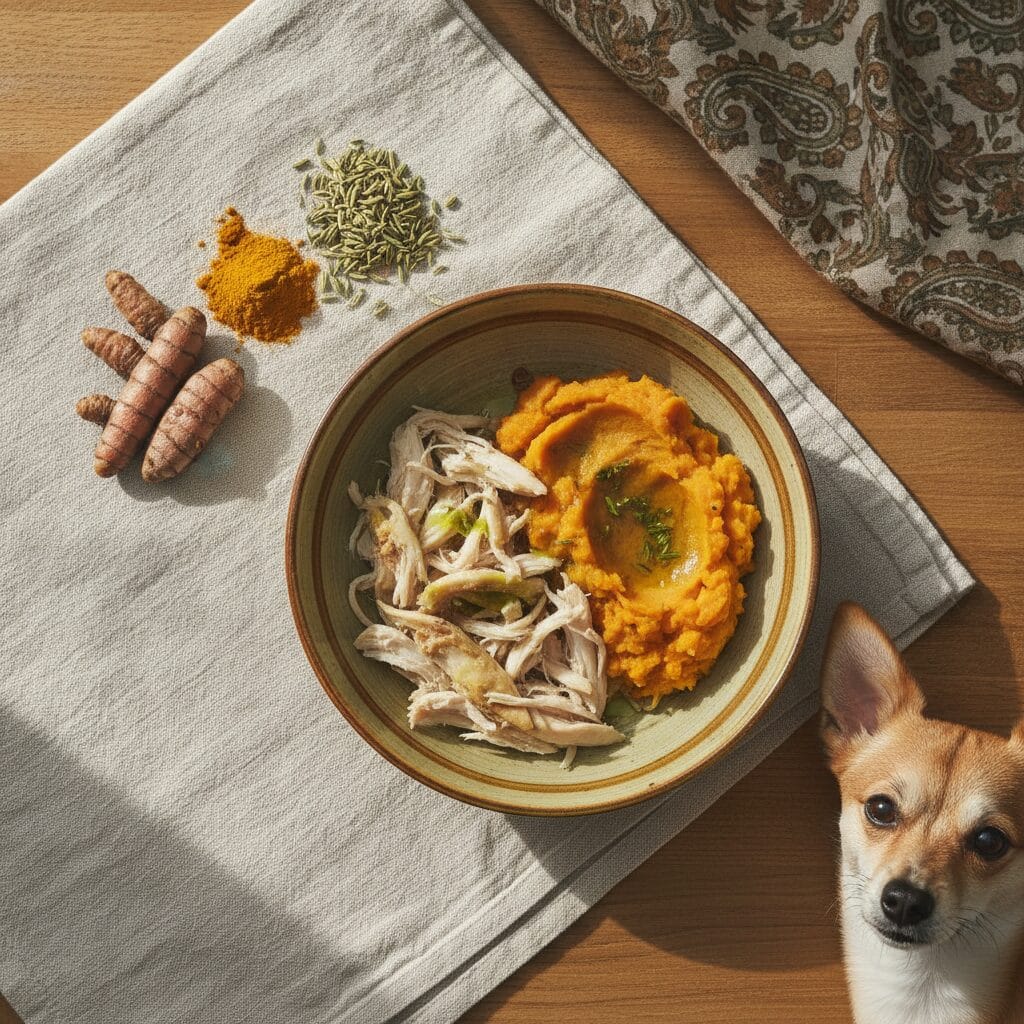
A skipping hind leg, a sudden yelp, or a reluctance to jump – these are often the first signs of luxating patella, a common and painful condition in many small dog breeds across India. Genetics play a part, yes. But your dog’s diet and weight are powerful tools in managing this issue. Tools that are often overlooked by well-meaning pet parents.
Quick Answer: Indian Diet Plan for Patella in Small Dogs
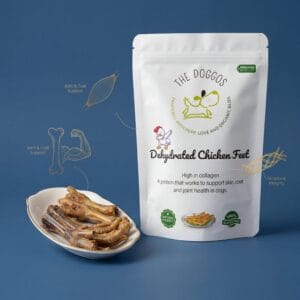
For small dogs in India with luxating patella, a diet focused on lean, gently cooked proteins, balanced calcium and phosphorus, and anti-inflammatory Omega-3s is crucial. Prioritise strict weight management to reduce joint stress. Include natural sources of glucosamine and chondroitin. My go-to for small breeds needing joint support and safe chewing is Dehydrated Chicken Feet. They offer natural cartilage and calcium without the risks of cooked bones.
Understanding Luxating Patella in Small Indian Dogs
Luxating patella, or a dislocating kneecap, is particularly prevalent in smaller breeds. Think Pomeranians, Pugs, Chihuahuas. Even many Indian pariah dogs (Indies). It happens when the patella (kneecap) slips out of its groove in the femur (thigh bone). This can range from mild, occasional skipping to severe, chronic pain requiring surgery.
The Role of Weight Management
Every extra kilogram a small dog carries puts disproportionate stress on their joints. For a dog with luxating patella, even a slight overweight condition can significantly worsen pain and accelerate cartilage degradation. Maintaining an ideal body weight is non-negotiable for joint health and comfort. This is where a carefully formulated homemade dog food recipe becomes vital.
Inflammation and Joint Health
Chronic inflammation is a silent enemy of joint health. A diet high in inflammatory Omega-6 fats – common in commercial chicken fed corn and soy – can exacerbate joint pain and swelling. Balancing these fats with anti-inflammatory Omega-3s is key to reducing discomfort and supporting cartilage repair. Many Indian pet parents incorrectly attribute rashes and itching to “chicken heat.” It is often an Omega-6 inflammation spike. Balancing fats with ingredients like Hemp Seed Oil or fish can resolve these issues without stopping protein.
The Desi Carnivore Approach to Patella Support
My philosophy, “Cook the Meal, Dehydrate the Bone,” is perfectly suited for managing joint conditions like luxating patella in the Indian context. We focus on species-appropriate nutrition while prioritising safety and practicality.
Cook the Meal, Dehydrate the Bone for Safety
Given the hygiene challenges of Indian wet markets, I always advocate gently cooking meat for your dog. This eliminates harmful bacteria like Salmonella and E.coli. These are a real cross-contamination risk in humid climates like Mumbai or Chennai. However, **never feed cooked bones**. High heat makes bones brittle. They splinter into dangerous shards that can perforate your dog’s intestines. This is a critical safety rule often missed by Indian pet parents.
Instead, we use dehydrated bones and chews. Dehydration, a low-temperature, long-duration process, retains the porous structure of bones. They crumble safely into a chalky powder. This provides essential minerals without splintering. This is our “Goldilocks” solution for safe calcium and phosphorus.
Balancing Calcium and Phosphorus
For strong bones and healthy cartilage, a precise Calcium:Phosphorus ratio of 1.2:1 is vital. Meat is rich in phosphorus, but boneless diets lack calcium. Over time, this imbalance can lead to osteopenia. Calcium is leached from your dog’s own bones. Safe calcium sources are essential. Dehydrated bone products are an excellent solution.
Omega-6:3 Balance for Anti-Inflammation
As mentioned, commercial Indian chicken often has an inflammatory Omega 6:3 ratio of 20:1 or worse. This chronic imbalance fuels inflammation. Inflammation directly impacts joint pain. Adding Omega-3 rich ingredients is not a luxury. It’s a necessity. Hemp Seed Oil, with its GLA (Gamma-Linolenic Acid), is an exceptional anti-inflammatory Omega-6. It bypasses typical metabolic pathways, directly reducing inflammation and supporting skin and joint health.
Essential Dietary Components for Patella Health
A focused diet can make a significant difference in alleviating symptoms and slowing the progression of luxating patella.
- Lean Protein Sources: Chicken, goat, or fish provide essential amino acids for muscle strength. This supports joint stability. Opt for skinless chicken breast or lean goat meat.
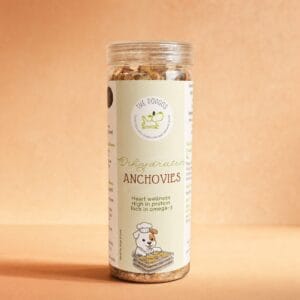
- Healthy Fats: Omega-3 fatty acids from sources like Dehydrated Anchovies or Hemp Seed Oil are powerful anti-inflammatories.
- Joint-Supporting Nutrients: Glucosamine and chondroitin are the building blocks of cartilage. Natural sources are always preferred over synthetic supplements when possible. Vitamin C (from vegetables like bell peppers or Baobab Powder, not a product but a nutrient) fuels collagen synthesis for ligaments and tendons.
- Fibre: Vegetables like pumpkin, green beans, and spinach add fibre. They promote satiety and healthy digestion. This is crucial for weight management.
Why Dehydrated Chicken Feet Are a big change for Small Dogs with Patella Issues
When it comes to supporting the joints of small dogs with luxating patella, Dehydrated Chicken Feet are an absolute staple in my practice. These aren’t just treats; they are functional medicine.
Each chicken foot is packed with approximately 450mg of natural glucosamine and chondroitin. This directly supports cartilage repair and cushioning. Unlike cooked bones, dehydrated chicken feet are porous and soft. They crumble safely as your dog chews, providing essential calcium without the splintering risk. For small breeds, the size is perfect for chewing. This also offers dental benefits by scraping plaque and releasing endorphins. Endorphins calm anxious or painful dogs.
I once worked with a tiny Pomeranian in Bengaluru, barely 3kg, who suffered from chronic patella luxation, leading to noticeable limping and discomfort. His owners were feeding him a typical home diet of chicken and rice, completely boneless. After implementing a balanced diet plan, including lean protein, balanced fats with Hemp Seed Oil, and introducing one Dehydrated Chicken Foot every other day, we saw a remarkable improvement. Within eight weeks, his limping was significantly reduced, and he was much more active and playful. This small addition made a world of difference for his joint health and overall happiness.
They are a safe, natural, and highly effective way to provide crucial joint support and satisfy your small dog’s natural chewing instinct.
Crafting an Indian Diet Plan for Small Dogs with Luxating Patella
Here’s a practical, actionable plan for a small dog (approx. 5kg) with luxating patella. Remember, portion sizes depend on your dog’s activity level and metabolism. Always aim for a lean body condition.
Sample Daily Meal Plan for a 5kg Small Dog with Patella
| Component | Quantity (approx. per day) | Notes |
|---|---|---|
| Cooked Lean Protein | 120-150g (e.g., chicken breast, lean goat) | Gently pressure cook. Debone thoroughly. |
| Cooked Carbohydrate | 50g (e.g., brown rice, sweet potato) | Small amount for energy, avoid excess. |
| Steamed Vegetables | 30-40g (e.g., green beans, pumpkin, spinach) | Excellent fibre and vitamins. Mash into meal. |
| Omega-3 Source | 1/2 tsp Hemp Seed Oil OR 5-7 Dehydrated Anchovies | Crucial for anti-inflammatory support. |
| Joint Support | 1 Dehydrated Chicken Foot (every other day) | Natural glucosamine, chondroitin, calcium. |
| Supplement (Optional) | Pinch of Baobab Powder | Vitamin C for collagen, prebiotic fibre. |
Feeding Tip: Divide the daily portion into two meals to aid digestion and maintain stable blood sugar. Always ensure fresh water is available.
Common Mistakes Indian Pet Parents Make
- Feeding Cooked Bones: This is the most dangerous mistake. Cooked bones splinter and can cause internal injuries. Always debone cooked meat.
- High-Carb Diets: Excessive rice, roti, or biscuits (like Parle-G) lead to weight gain and inflammation. This directly worsens patella issues. Dogs lack salivary amylase, meaning carbs are hard on their pancreas.
- Ignoring Omega-3s: Assuming all fats are equal. The inflammatory nature of Omega-6 rich diets is a major contributor to chronic pain and skin issues.
- Overfeeding: Even healthy food in excess is detrimental. Portion control is paramount for weight management in small breeds.
- Relying on Generic Kibble: Kibble is often high in carbohydrates and poor-quality fats. This exacerbates inflammation and makes weight control difficult. Fresh food offers 90-94% digestibility compared to kibble’s ~80%.
For more detailed guidance on managing joint pain, you can refer to my complete guide on Managing Joint Pain in Dogs India.
Frequently Asked Questions about Patella & Diet
Can diet alone fix luxating patella in small dogs?
While diet cannot reverse the structural issue of luxating patella, it plays a critical role in managing pain, reducing inflammation, maintaining ideal weight, and supporting joint health. It often improves mobility and quality of life significantly. It can also help prevent progression.
What foods should I avoid for a dog with luxating patella?
Avoid high-carbohydrate foods like excessive rice, roti, or commercial biscuits, which contribute to weight gain and inflammation. Also, steer clear of foods high in inflammatory Omega-6s, and absolutely **never feed cooked bones**.
How important is weight for a small dog with luxating patella?
Maintaining an ideal body weight is extremely important. Even a small amount of excess weight puts significant strain on already compromised joints. This increases pain and accelerates joint degeneration. Strict portion control and a balanced diet are key.
Are supplements necessary for patella issues?
While a fresh, balanced diet provides many essential nutrients, specific supplements like natural sources of glucosamine and chondroitin (e.g., Dehydrated Chicken Feet) and anti-inflammatory Omega-3s (Hemp Seed Oil) can offer targeted support and are highly recommended.
Where can I find reliable information on dog nutrition in India?
For expert guidance rooted in Indian realities, I, Mahiv Amit Chhabra, a certified canine nutritionist, share practical and science-backed advice on feeding your desi carnivore. You can learn more about my approach here.
Support Your Small Dog’s Joints with The Doggos
Managing luxating patella in small dogs requires a holistic approach, with nutrition at its core. By focusing on a lean, anti-inflammatory diet and providing essential joint-supporting nutrients, you can significantly improve your dog’s comfort and mobility.
To give your small dog the best chance at a pain-free life, I highly recommend incorporating Dehydrated Chicken Feet into their diet. They are a natural, safe, and effective way to provide the glucosamine, chondroitin, and calcium their joints desperately need. Explore our range of dehydrated dog treats and hemp supplements designed to support your dog’s health from the inside out.