Bringing a new puppy home is a whirlwind of pure joy, tiny paws, and a million questions. But if there’s one thing that leaves most Indian pet parents totally stumped, it’s food. From well-meaning neighbours insisting on roti and milk, to so much conflicting advice online about raw versus cooked, it feels like you’re navigating a minefield. The truth is, your little Desi dog is a carnivore, and their diet needs to reflect that, especially during these super important growth months.
It’s a big deal, this puppy food thing.
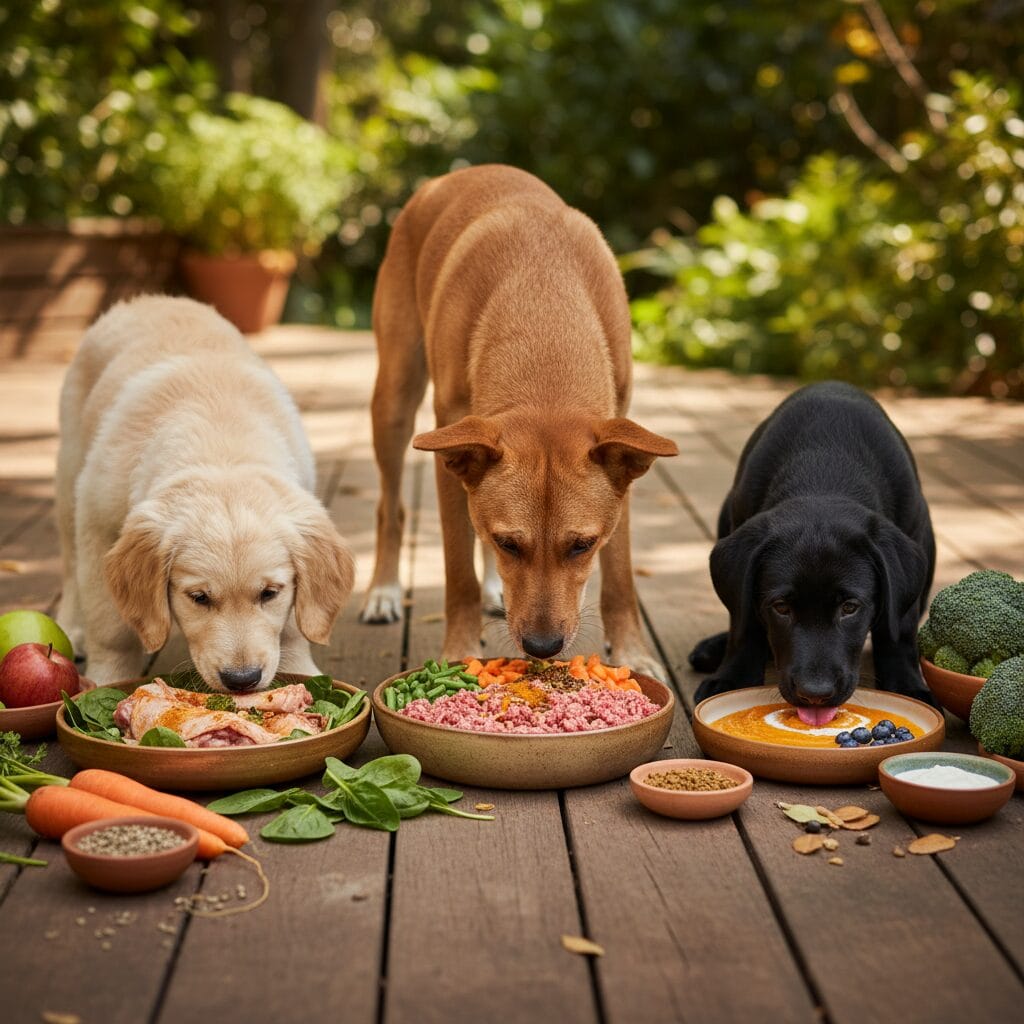
So, can your Indian puppy thrive on a natural, homemade diet? Absolutely! A balanced diet of gently cooked meat, the right fats, fresh vegetables, and the perfect form of calcium is the gold standard for your growing pup. Forget the myths, skip the questionable advice, and let’s lay a real foundation for a healthy, happy life.
Understanding Your Puppy’s Inner Carnivore: Why Natural Matters
Beneath those adorable puppy dog eyes and playful barks, your furry friend is 99.9% wolf. This isn’t just a fun fact; it’s the biological blueprint that dictates how their body is designed to process food. And it’s a blueprint that often gets ignored by commercial pet food companies.
- Acidic Stomach: A puppy’s stomach, just like an adult dog’s, is super acidic, with a pH of 1-2. This highly acidic environment is perfectly made to break down meat, bone, and kill off nasty bacteria. Humans, by contrast, have a stomach pH of 4-5. See the difference?
- No Salivary Amylase: Dogs don’t have amylase in their saliva. This enzyme, which humans need, starts the digestion of carbohydrates in the mouth. When your puppy eats roti or rice, it basically hits their stomach “whole,” putting needless strain on their pancreas.
- Short Digestive Tract: Their intestines are short, built to quickly process protein and fat (which are packed with nutrients), not for fermenting grains and starches over long periods.
What does this mean for your puppy? It means their body is screaming for meat, not corn, soy, or wheat. Studies, like those published in the Journal of Animal Science (2021), always show that fresh food diets get 90-94% digestibility, compared to around 80% for kibble. More nutrients absorbed means better growth, stronger immunity, and smaller, firmer stools (a win for every Indian household!).
The “Desi Carnivore” Method for Puppies: Cook the Meal, Dehydrate the Bone
We love the biological concept of raw feeding, but here in India, practicalities matter. Our tropical humidity, combined with the hygiene standards of local wet markets, makes raw meat a big cross-contamination risk for our homes. Your puppy drags that bone onto your rug, then licks your face, the risk is real. That’s why we’re all about the “Cook the Meal, Dehydrate the Bone” method.
Cook the Meat: Safety First for Your Little One
For puppies, especially, food safety is super important. Their immune systems are still developing, after all. Gently home-cooking (a pressure cooker is your best friend here) kills harmful bacteria like Salmonella and E.coli, which can be rampant in Indian wet market chicken. And that gives them a safe, nutritious meal without cutting corners on what their carnivore bodies really need.
Debone After Cooking: A Life-Saving Step
This is a rule you absolutely can’t break, and a super important warning for every Indian pet parent: NEVER feed your puppy cooked bones. When bones are cooked with high heat, they become brittle and can shatter into sharp, jagged bits. These splinters can poke holes in your puppy’s delicate insides, which can lead to a deadly infection called peritonitis. This is a common, tragic mistake made by many well-meaning parents who pressure-cook chicken with bones and feed it whole. (I’ve seen this happen so many times, it breaks my heart.) Remove ALL bones after cooking the meat. Every single one.
Dehydrated Bones: The Goldilocks Solution for Calcium and Dental Health
So, if cooked bones are dangerous and raw bones are a hygiene risk, how do puppies get their essential calcium? Enter dehydrated bones. Dehydration, a low-and-slow process (20+ hours), keeps the bone’s natural, porous structure. Unlike cooked bones, dehydrated bones don’t splinter. Instead, they crumble into a safe, chalky powder their acidic stomach can easily break down. This is the “Goldilocks” solution: safe, hygienic, and calcium their body can actually use.
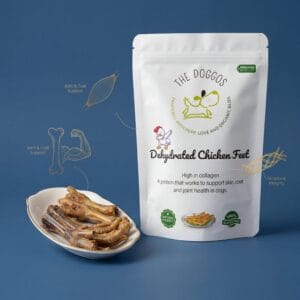
For puppies, softer, smaller dehydrated options are best. Think Dehydrated Chicken Feet or even a Dehydrated Whole Quail (minus the head for very young pups, or supervised chewing). These not only provide super important calcium but also are like little toothbrushes, gently cleaning those developing teeth.
The Calcium-Phosphorus Imperative for Growing Bones (1.2:1 Ratio)
Puppies are growing at an amazing speed, and their skeletal development totally relies on getting the calcium and phosphorus balance just right. The ideal ratio is 1.2 parts calcium to 1 part phosphorus. Meat is rich in phosphorus, but often doesn’t have enough calcium. This is where bones come in.
A common mistake in Indian households is feeding a boneless diet of just chicken and rice. Over months and years, this ends up with a really bad calcium deficiency, causing the puppy’s body to steal calcium from its own bones. This results in really nasty conditions like Osteopenia (weakening of bones) and, in extreme cases, “Rubber Jaw” syndrome, where the jaw bone becomes so soft it loses its rigidity. This is preventable!
Make sure your puppy’s meals always have a safe way to get calcium. This can be done with:
- Dehydrated Bones: As discussed, Dehydrated Chicken Feet are great for puppies, providing natural calcium, phosphorus, and glucosamine for joint health.
- Eggshell Powder: Made from super finely ground, sterilised eggshells, it’s a fantastic calcium supplement.
- Calcium Citrate: A good, trusted supplement if you’re not comfortable with bones.
Balancing Omega-6 and Omega-3 for Puppy Health: Beyond the “Heat” Myth
If your puppy is constantly itching, licking their paws, or struggling with recurrent ear infections, you might have been told it’s “heat” from chicken or eggs. This is a common myth in India, often leading parents to remove these super important proteins from their puppy’s diet. Let me be clear: what Indians call “heat” is actually Omega-6 inflammation.
Commercial Indian chicken is mostly fed corn and soy, which are packed with Omega-6 fatty acids. This results in a super out-of-whack Omega 6:3 ratio, often as high as 20:1 or even 30:1, compared to a healthy 7:1 for pasture-raised animals. This basically floods your puppy’s body with stuff that causes inflammation. And that’s why you’re seeing all those symptoms.
The fix is simple: you MUST add Omega-3 to every chicken meal. These aren’t just “toppers”; they are “balancers.”
- Hemp Seed Oil: My personal favourite for puppies. It’s the absolute king of GLA (Gamma-Linolenic Acid), which is this rare Omega-6 that actually fights inflammation. GLA turns right into Prostaglandin E1, calming inflammation and keeping your puppy’s skin nice and moist. It’s plant-based, so great for vegetarian households, and has a mild calming effect, perfect for anxious pups during festivals.
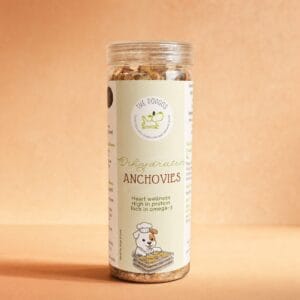
- Dehydrated Anchovies: A great source of DHA, which is super important for puppy brain development (hello, easier training!) and just overall thinking power. Because they’re small, short-lived fish, they stay low on the food chain. That means they don’t pile up heavy metals like the bigger fish do.
By balancing the fats, you sort out the inflammation without needing to stop the protein your puppy needs for growth.
What to Feed Your Indian Puppy: Proteins, Fats, and Superfoods
Building a healthy meal for your puppy isn’t complicated once you understand the core principles. Here are my top recommendations:
Proteins: The Building Blocks of Life
- Chicken: A great, easy-to-digest daily protein (about 27g per 100g breast). For puppies, always go for bone-in, skin-on thighs, but remember to DEBONE them after pressure cooking. Seriously. Wash with turmeric water for an extra antiseptic boost.
- Mutton (Goat): A kind of “recovery meat” that’s packed with iron (three times more than chicken!) and zinc (four times more!). Perfect for pups getting over being sick, those who need a winter boost, or breeds known to have joint problems. It’s also leaner than your average commercial chicken and often works well for puppies who get sensitive tummies from chicken.
- Quail: A hypoallergenic “super-prey” and a new kind of protein. If your puppy shows signs of allergies, a Dehydrated Whole Quail can be a good part of an elimination diet. It gives them manganese (which protects ligaments) and the feathers act like a natural “colon sweep,” helping their anal glands express (no more scooting, yay!).
Essential Fats & Balancers:
- Hemp Seed Oil: Like I said, awesome for anti-inflammatory GLA and keeping their skin and coat healthy. Start with a tiny amount and gradually increase.
- Dehydrated Anchovies: So good for DHA, which means better brain development. Crush them over food for easy consumption.
- Hemp Meal Balancer: This is a real fix for chicken-rice bowls. It turns a simple “survival meal” into a “thriving meal” by sorting out the amino acid and fat profiles, giving them complete protein.
Vegetables & Fibre (in moderation):
Puppies don’t really need a ton of carbs. Small portions of cooked red pumpkin, sweet potato, or steamed green beans provide important fibre and nutrients without jamming their system full of starch. Avoid excessive rice or, worse, roti, as these can strain their pancreas and raise stomach pH, making them more susceptible to bacterial infections.
Superfoods for Growing Pups:
- Baobab Powder: It’s got five or six times more Vitamin C than oranges, so Baobab Powder really kicks off collagen production for strong ligaments and stretchy skin. Super important for growing puppies, you know? It’s also an amazing prebiotic fibre, great for settling a sensitive puppy tummy when you’re changing diets.
- Baobab Oil: Got any puppy skin issues (rashes, dry patches, little fungal infections)? Baobab Oil is seriously a miracle worker. Unlike those heavy oils that just sit on the surface, its special mix of fatty acids soaks right into the skin, healing from the inside out.
Functional Chews & Treats:
Dehydrated treats are not just snacks; they are functional medicine for your puppy.
- Dehydrated Chicken Feet: A natural joint pill, loaded with glucosamine (about 450mg per foot!) and chondroitin. Perfect for growing puppies. And they’re brilliant for dental health too.
- Dehydrated Anchovies: Brain food. Seriously, for smarter, easier-to-train puppies.
- Dehydrated Mutton Trotters: For slightly older puppies, these give them long-lasting chewing fun, calcium, and they help scrape plaque off teeth. Plus, they release dopamine and serotonin for a calmer pup. My own Indie dogs love these! (I’ve seen this work with Indie dogs especially)
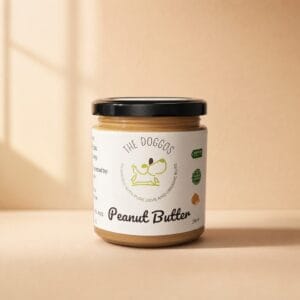
- The Doggos Peanut Butter: Xylitol-free and totally natural. Perfect for stuffing Kongs or as a super high-value training reward. What’s not to love?
Transitioning Your Puppy to Real Food: The 7-Day Protocol
Switching your puppy’s diet needs to be gradual to avoid upsetting their sensitive stomach. Follow this 7-day transition protocol:
- Days 1-2: 75% old food + 25% new food
- Days 3-4: 50% old food + 50% new food
- Days 5-6: 25% old food + 75% new food
- Day 7 onwards: 100% new food
Don’t be surprised if you see some mucus in your puppy’s poop around Day 3-4. It’s totally normal! It just means their gut is getting rid of the old, damaged stuff and building back up with healthier cells. Don’t panic. A little extra pumpkin or a pinch of Baobab Powder can really help settle things down then.
Practical Puppy Meal: The Golden Puppy Bowl
Here’s a simple, balanced recipe you can make for your growing puppy:
Ingredients:
- 500g chicken thighs (bone-in, skin-on (super important for taurine, which is vital for heart health!))
- 50g chicken liver (a crucial source of Vitamin A, but don’t go overboard, okay?)
- 100g red pumpkin, peeled and cubed
- 1 tsp turmeric paste (for cooking, it’s a natural antiseptic)
- 1 tsp The Doggos Hemp Seed Oil (add once it’s cooked)
- 1/2 tsp The Doggos Hemp Meal Balancer (add once it’s cooked)
- 1-2 The Doggos Dehydrated Chicken Feet (as a separate chew, or crush it over their food for that calcium boost)
Instructions:
- Wash chicken thighs and liver really well, maybe even with a turmeric water rinse. That’s a good Indian hack!
- Place chicken thighs, liver, pumpkin, and turmeric paste in a pressure cooker. Add just enough water to cover.
- Pressure cook for 2-3 whistles until the chicken is tender.
- Once cooled, carefully get ALL the bones out of the chicken thighs. This is absolutely critical, guys.
- Mash the cooked pumpkin right into the broth, make a nice thick gravy. Shred the chicken and liver into small pieces, easy for your puppy to eat.
- Once the meal cools down to room temperature, stir in the Hemp Seed Oil and Hemp Meal Balancer. Don’t add it when it’s hot, na?
- Serve up a portion to your puppy. And offer a Dehydrated Chicken Foot separately for chewing and calcium. They’ll love it!
Store remaining portions in the fridge for up to 2-3 days.
Common Mistakes Indian Pet Parents Make with Puppy Diets
It’s easy to fall into traps, especially with so much conflicting information. Here are the most frequent mistakes I see:
- Feeding Cooked Bones: This is the absolute most dangerous thing. Like I’ve said, cooked bones splinter and can actually kill your puppy. Seriously, please never, ever do this. I cannot stress this enough.
- Boneless Chicken and Rice Only: It’s well-meaning, sure, but this causes a really bad calcium-phosphorus imbalance, risking things like osteopenia and “Rubber Jaw.” You HAVE to supplement calcium. No way around it.
- Excessive Roti/Rice/Kibble: Look, these high-carb diets are just not right for their biology. They strain the pancreas, mess with stomach pH, and mean poor nutrient absorption. Your puppy needs protein and fat, yaar, not cheap fillers. Honestly, most vets won’t tell you this.
- Believing the “Heat” Myth: Taking away chicken or eggs because you think it’s “heat” just doesn’t help. It’s Omega-6 inflammation. And guess what? It’s easily fixed by adding Omega-3 balancers like Hemp Seed Oil or Dehydrated Anchovies.
- Ignoring Dental Health: Puppies NEED to chew! But commercial biscuits? Full of sugar and maida, just rotting their teeth. Give them safe, functional chews like Dehydrated Chicken Feet to clean those teeth and satisfy that natural chewing urge.
- Not Providing Mental Enrichment: Chewing is a natural stress reliever. A good chew, say a Dehydrated Mutton Trotter (for older pups) or even a Kong stuffed with The Doggos Peanut Butter, gives them hours of mental stimulation. So crucial for a happy, well-adjusted puppy, isn’t it?
Frequently Asked Questions About Puppy Feeding in India
Q1: Can I feed my puppy a raw food diet in India?
A1: While it sounds great from a biological standpoint, I wouldn’t recommend feeding raw meat from Indian wet markets to puppies because of the high risk of bacterial contamination (Salmonella, E.coli) and cross-contamination in Indian homes. Their immune systems are still growing, so they’re more vulnerable. Our “Cook the Meal, Dehydrate the Bone” method gives you the best of both worlds: safety and the right nutrition for their species.
Q2: How much should I feed my puppy?
A2: Puppy feeding guides depend on things like breed, age, and how active they are. Generally, puppies need more calories per kilo than adult dogs do. A good place to start? Feed about 2-4% of what their ideal adult body weight would be, every day, split into 3-4 meals. Keep an eye on their body condition; you should feel their ribs easily, but you shouldn’t see them sticking out. Always, always chat with a certified canine nutritionist for a feeding plan that’s just right for your puppy. They’re the experts, after all.
Q3: Are commercial kibbles good for puppies?
A3: Honestly? No. I really don’t recommend commercial kibble as a main diet for puppies. Kibble is usually packed with carbs, super low on moisture, and full of rendered ingredients, artificial stuff, and often just plain bad quality proteins. This totally goes against what your puppy’s body is built for, which means poor digestion, inflammation, and could lead to health problems down the road.
Q4: When can my puppy start eating bones?
A4: Your puppy can safely chomp on age-appropriate dehydrated bones from about 10-12 weeks old, but always watch them, okay? Start with softer options like Dehydrated Chicken Feet. Just make sure the bone isn’t tiny enough to be a choking hazard, and keep a close eye on them. And remember, never, ever feed cooked bones.
Q5: Can puppies eat eggs?
A5: Yes, absolutely! Cooked eggs are an awesome source of super digestible protein and essential nutrients for puppies. Boiled, scrambled, or an omelette, sure, but always make sure they’re cooked all the way through. You want to kill off any Salmonella and get rid of avidin (that stuff can actually block biotin absorption). Just start with little bits to make sure their tummy handles them okay.
Build a Strong Foundation with The Doggos
Giving your puppy a real, species-appropriate diet doesn’t have to be some huge, complicated thing. Understand what their bodies really need, embrace the “Desi Carnivore” method, and you’re setting them up for the absolute best start in life. Check out our range of dehydrated dog treats and hemp supplements. They aren’t just snacks; they’re like functional medicine, totally designed to help your puppy grow and thrive at every stage. From keeping their joints healthy to boosting brain development and taming inflammation, The Doggos has got your back. The Indian way, of course!
Disclaimer: While I am a certified canine nutritionist, this information is for educational purposes and isn’t meant to take the place of professional vet advice. Always consult your vet for any health concerns or before making big dietary changes, especially if your puppy has any existing medical conditions.
Related Reading
- Read the complete Indian dog feeding guide.
- About the author: Mahiv Chhabra, certified canine nutritionist.