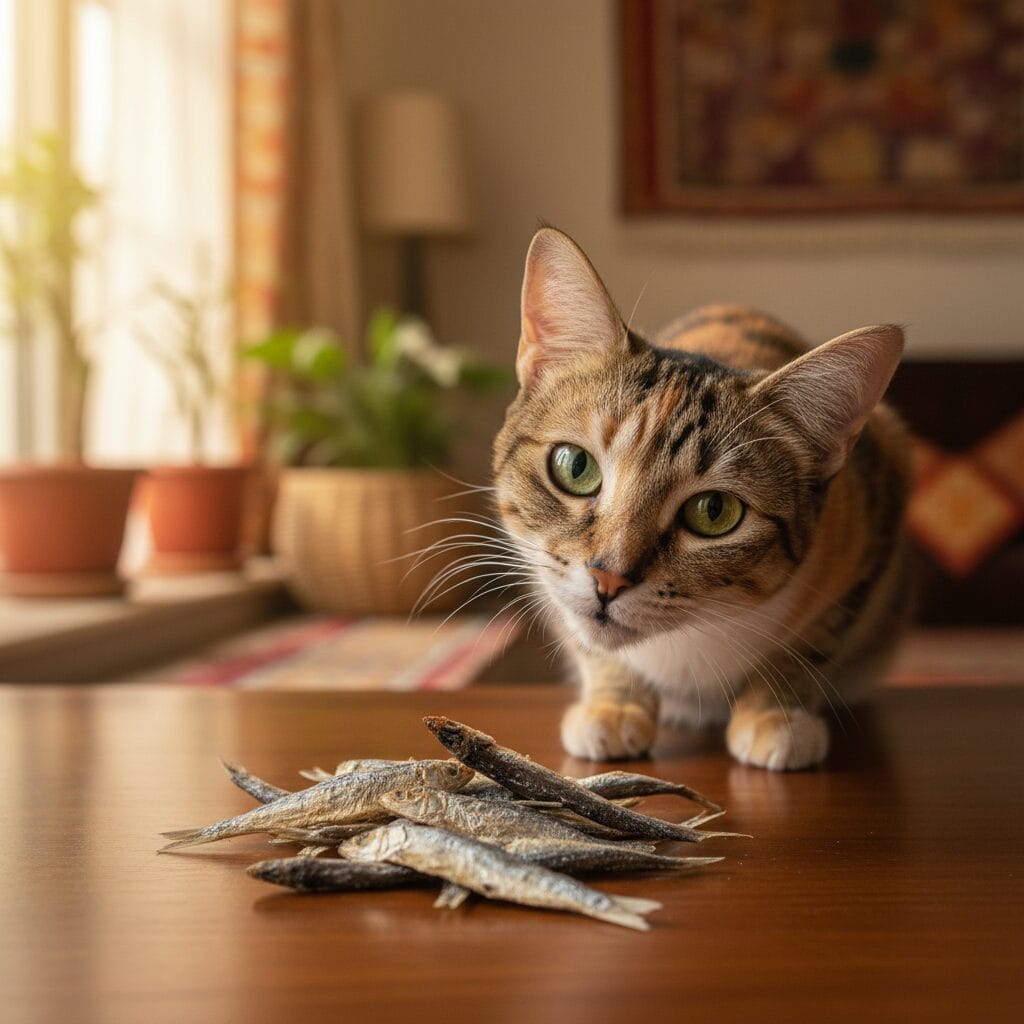
Ever wondered why your cat goes absolutely bonkers for those colourful little kibble-like “treats” in shiny packets, but then sometimes turns their nose up at perfectly good home-cooked chicken? Here’s the truth, most commercial cat treats are basically the feline version of human junk food. They’re packed with flavour enhancers, salt, and fat, designed to create an irresistible (and often unhealthy) addiction, not to give them real nutrition.
So, what are the best cat treats in India for 2026? Honestly, it’s a no-brainer. They’re single-ingredient, high-protein, dehydrated meats and fish. These aren’t just snacks, they actually fit your cat’s obligate carnivore nature perfectly, giving them pure nutrition without all the fillers, artificial stuff, or harmful processing you find in most commercial options.
Best Cat Treats in India: The Quick Answer for 2026
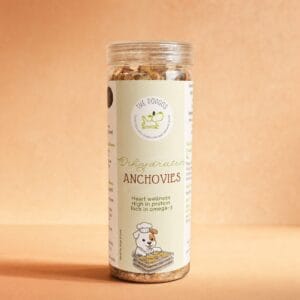
For the best cat treats in India, opt for single-ingredient, dehydrated animal proteins like Dehydrated Anchovies, Sardines, or Whole Quail. These treats provide essential amino acids, Omega-3s, and vital taurine, aligning with your cat’s obligate carnivore biology, unlike highly processed commercial options laden with grains and artificial additives.
Best Treats for Cats: What Truly Matters
The best treats for cats are those that respect their biology as obligate carnivores. This means focusing on high-quality animal protein sources, free from grains, corn, soy, or artificial enhancers. Dehydrated meat and fish treats offer superior digestibility and nutrient absorption, supporting overall health, a shiny coat, and cognitive function.
Best Cat Treat: Prioritising Species-Appropriate Nutrition
The single best cat treat is one that offers pure animal protein without compromise. For cats in India, this means avoiding the hygiene risks of raw feeding by choosing safely dehydrated options. A treat like Dehydrated Anchovies delivers critical Omega-3s and taurine, directly supporting heart, brain, and coat health, making it an ideal choice.
Why Your Cat is an Obligate Carnivore (And Why it Matters for Treats)
Let’s get one thing straight, your cat isn’t a tiny vegetarian. Nope. They are an obligate carnivore. This isn’t just them being picky about food, it’s literally how their bodies are built. See, unlike dogs, who are carnivores but can handle a bit of plant matter, cats must eat animal tissue to do well. Their bodies are just designed for it, right from those razor-sharp teeth to their short, super-acidic digestive tracts.
Here’s a quick peek into your cat’s internal world:
- No Amylase in Saliva: Just like dogs, cats don’t have amylase in their saliva, meaning they can’t even start breaking down carbohydrates in their mouth. Grains and starches hit their stomach effectively undigested.
- Highly Acidic Stomach (pH 1-2): Designed to break down raw meat and small bones, and to kill pathogens.
- Short Intestinal Tract: Built for rapid digestion and absorption of meat, not for fermenting plant matter.
- Taurine Dependence: Cats can’t make taurine, an essential amino acid, from other amino acids. They must get it directly from animal protein. A taurine deficiency can lead to serious heart problems (Dilated Cardiomyopathy) and blindness.
So, when you feed a cat treats loaded with grains, corn, soy, or artificial flavours, you aren’t just giving them empty calories. You’re actually fighting against their very biology. And that’s exactly why treats like “Temptations,” as popular as they might be (I get so many DMs about cats addicted to these!), are miles away from what your feline friend truly needs. They taste good, sure, but they’re just not good for them. Nutritionally, they’re a bust and could even cause harm down the line.
The “Desi Carnivore” Way for Feline Friends: Cooked Meals, Dehydrated Treats
Here at The Doggos, our philosophy, “Cook the Meal, Dehydrate the Bone,” works for our feline friends too. There’s a tiny difference, of course. Cats probably won’t be crunching on big dehydrated bones like dogs do, but the main ideas? Safety, food that’s right for their species, and avoiding that “hygiene gap” we have in India? Those are still super important.
The Hygiene Gap: Why Raw is Not Safe in Indian Homes (Even for Cats)
Look, I’m a big believer in the idea of raw feeding, biologically speaking. A cat’s stomach *can* totally handle pathogens in raw meat. But here’s the thing, we live in India, na? And the real-world situation is just miles apart from those super clean, temperature-controlled European supermarkets.
Our local wet markets, especially in cities like Mumbai or Chennai (or really, anywhere here!), are just full of bacteria. High humidity, no proper refrigeration, and open-air displays mean nasty stuff like Salmonella and E.coli can multiply super fast. And bringing that raw meat into your home? Where your cat might drag it onto the kitchen floor, play with it on your rug, or even lick your face after eating? That’s a big risk of spreading germs to your whole family. For more on this, you can read our detailed guide on raw food diets for dogs in India, which applies similar principles for cats.
So, for this reason, I always recommend gently home-cooking your cat’s meat for their main meals (pressure cooking is ideal, trust me). This kills off all those harmful bacteria, making the food safe for your household, and still keeps most of the good stuff in.
Dehydrated Treats: The Goldilocks Solution for Cats in 2026
Just like with dogs, we really like dehydrated treats for cats. It’s our “Goldilocks” solution, you could say, offering the best of both worlds:
- Not Raw: Avoids the hygiene risks of wet market meat.
- Not Cooked (in the traditional sense): Dehydration uses low temperatures over extended periods (20+ hours), which preserves the nutritional integrity of the meat or fish far better than high-heat cooking. It also ensures safe, non-splintering textures for chewing.
- Species-Appropriate: Provides the high-quality animal protein your obligate carnivore needs.
Dehydrated treats aren’t just “snacks,” you know. They’re actually functional medicine for your cat. They give them essential nutrients, help keep their teeth healthy, and offer some real mental enrichment too. This approach is gaining recognition as we move into 2026, with more pet parents prioritising whole, natural foods.
Unpacking the “Heat” Myth in Cats: It’s About Inflammation, Not Temperature
A lot of Indian pet parents get worried about feeding chicken or some fish to their cats. They think these foods cause “heat” (you know, that Ayurveda/TCM idea) which then leads to itching, rashes, or hair loss. But honestly, I’m here to tell you, what you’re seeing isn’t actual temperature heat. It’s almost always Omega-6 induced inflammation.
Our commercial Indian chicken, usually fed a corn/soy diet, has a crazy off-balance Omega 6:3 ratio. We’re talking 20:1 to 30:1, compared to a healthy 7:1 for pasture-raised meat. This huge amount of Omega-6 just floods your cat’s body with stuff that causes inflammation, showing up as:
- Excessive paw licking
- “Unexplained” itching and scratching
- Hot spots
- Dull coat or excessive shedding
- Chronic ear infections
The solution isn’t to stop feeding protein, na? It’s to balance the fats. Adding Omega-3s, like you find in fish oil or dehydrated anchovies, to their diet really calms this inflammation down. You’ll often see those “heat” symptoms just disappear once those fats are back in balance.
What Makes a Cat Treat Truly “Best” in India? A Comparison
Forget the fancy packaging and marketing claims. A truly beneficial cat treat should tick these boxes. Here’s a comparison to help you choose wisely:
| Feature | Commercial Cat Treats (e.g., Temptations) | The Doggos Dehydrated Treats |
|---|---|---|
| Ingredients | Often contain grains (corn, wheat), soy, meat by-products, artificial colours, flavours, preservatives. | Single-ingredient: 100% real meat or fish (e.g., Anchovy, Quail). No fillers, no artificial anything. |
| Protein Source | Low-quality, often plant-based or rendered animal parts. | High-quality animal protein: Pure, species-appropriate for obligate carnivores. |
| Processing | High-heat extrusion, often destroying nutrients. | Gentle dehydration: Low temperature, preserves nutrients and flavour. |
| Nutritional Value | Mostly empty calories, high in Omega-6, low in essential nutrients like taurine and balanced Omega-3s. | Nutrient-dense: Rich in essential amino acids, Omega-3s (especially fish), and natural taurine. |
| Functional Benefits | None beyond temporary palatability; can contribute to dental issues, inflammation, and obesity. | Multiple benefits: Dental health, brain development, skin & coat health, anti-inflammatory, mental enrichment. |
| Safety for Indian Homes | May contain preservatives. Raw meat options carry significant hygiene risks. | Cooked meals + Dehydrated treats: Addresses hygiene gap while retaining nutritional value. |
Top Picks for Your Feline’s Functional Feast: My Recommendations for 2026
Here are my recommendations for the best cat treats in India, all aligned with The Desi Carnivore philosophy, and available right here at The Doggos:
1. Dehydrated Anchovies: Brain Boost & Omega-3 Powerhouse
These tiny fish? They’re absolute powerhouses of nutrition. Dehydrated Anchovies are “low on the food chain” plankton eaters, which means they don’t build up a lot of heavy metals like bigger fish such as tuna or mackerel do. They’re packed with DHA (Docosahexaenoic Acid), a super important Omega-3 fatty acid, vital for:
- Brain Development: Especially important for kittens, aiding in trainability and cognitive function.
- Cognitive Function in Seniors: Helps prevent Cognitive Dysfunction Syndrome (CDS).
- Anti-inflammatory Action: Directly combats the Omega-6 inflammation we discussed earlier, reducing itching and promoting healthy skin.
Our Dehydrated Anchovies are odour-controlled too, which makes them perfect even for vegetarian households who might not like the smell of cooking fish. Honestly, just a few tiny anchovies a day can make a world of difference to your cat’s health. These are truly among the best cat treats you can offer.
2. Dehydrated Sardines: Skin, Coat & Joint Support
Pretty similar to anchovies, actually. Dehydrated Sardines are another fantastic source of Omega-3s, specifically EPA (Eicosapentaenoic Acid) and DHA. Sardines are excellent for:
- Lustrous Coat & Healthy Skin: The Omega-3s nourish the skin barrier from within, reducing dryness, flakiness, and promoting a shiny, soft coat.
- Joint Health: Their natural anti-inflammatory properties can ease discomfort in arthritic or aging cats.
- Vitamin D & Calcium: Essential for bone health, especially if your cat isn’t getting enough from their main diet.
These are a favourite for many cats. They give a satisfying crunch and a real burst of flavour.
3. Dehydrated Bombay Duck: The Novel Protein for Sensitive Tummies
Has your cat developed an allergy to common proteins like chicken? Then Dehydrated Bombay Duck could be your saviour! This is what we call a ‘novel protein,’ which basically means your cat’s immune system probably hasn’t seen it before. That makes it a great choice for elimination diets or for cats who are super sensitive to food. Bombay Duck is:
- Highly Digestible: Gentle on the stomach.
- Rich in Protein: Provides essential amino acids without common allergens.
- A Unique Flavour: Offers variety and excitement for discerning feline palates.
It’s a fantastic way to safely add a different protein source to your cat’s diet.
4. Dehydrated Whole Quail: The Ultimate “Whole Prey” Enrichment (for the adventurous feline)
For the truly wild at heart, our Dehydrated Whole Quail offers an amazing “whole prey” experience. Now, a whole quail might be a bit big for smaller cats, but you can easily break it into smaller, easier-to-handle pieces. This treat gives them:
- Novel Protein: Great for cats with multiple allergies.
- Manganese: Crucial for ligament health, protecting against injuries.
- Feathers as “Colon Sweep”: The insoluble keratin in the feathers acts as a natural scrubber for the intestinal walls, aiding digestion and naturally expressing anal glands (a common issue in cats on kibble diets).
- Mental Enrichment: The act of tearing and chewing is incredibly stimulating and satisfying for cats, releasing endorphins.
It’s a complete, nutrient-dense treat that really taps into their primal instincts. My own Indie cat (Basanti!) goes crazy for this.
5. Hemp Seed Oil: The Anti-Inflammatory Elixir
While not a treat in the traditional sense, Hemp Seed Oil is a powerful supplement that can seriously improve your cat’s skin, coat, and overall health. It’s safe for cats, and it’s got GLA (Gamma-Linolenic Acid), a rare Omega-6 that actually works as an anti-inflammatory. This is crucial for:
- Atopic Dermatitis & Allergies: Many cats lack the enzyme to process normal fats. GLA bypasses this, directly reducing inflammation and keeping the skin barrier moist.
- Dry, Flaky Skin & Dandruff: Heals from within.
- Calming Effect: Hemp has mild anxiolytic properties, which can be beneficial for stressed or anxious cats, especially around festivals like Diwali.
Just a few drops added to their food can work wonders. Plus, it’s plant-based, making it a favourite for vegetarian households who might prefer not to use fish oil. Explore more on our hemp supplements for dogs, which are often suitable for cats too.
6. Baobab Oil: Topical Skin Saviour
If your cat is struggling with hot spots, fungal infections, or hyperkeratosis (that’s crusty nose or paws, basically), Baobab Oil is a total big change. Unlike those heavy oils that just sit on the skin, Baobab Oil has this unique fatty acid profile that lets it absorb deep into the skin, strengthening its natural barrier. We’ve seen incredible results:
- Fungal infections eradicated in 90 days.
- Hot spots dried up in 24 hours.
- Hyperkeratosis resolved in 2 weeks.
It’s a natural, safe, and incredibly effective solution for so many feline skin problems.
From Mahiv’s Practice: The Case for Dehydrated Anchovies
I recently worked with a client in Bengaluru whose Persian cat, Luna, was suffering from chronic paw licking and a dull coat, despite being on a premium kibble. We suspected Omega-6 inflammation. I recommended replacing her commercial treats with Dehydrated Anchovies and adding a few drops of Hemp Seed Oil to her cooked chicken meals. Within four weeks, Luna’s paw licking significantly reduced, and her coat regained its lustre. The DHA in the Dehydrated Anchovies was key in rebalancing her Omega-3 to Omega-6 ratio, proving that real, functional treats make a tangible difference.
Common Mistakes Indian Cat Parents Make with Treats & Diet
As a canine nutritionist, I’ve seen a lot of well-meaning Indian pet parents make similar mistakes with their cats. It’s tough out there with all the conflicting info!
- Relying on Commercial Junk Treats: Those colourful, heavily processed treats like Temptations? They might be cheap and super convenient, but they’re nutritionally empty. And honestly, they’re often loaded with ingredients that are just plain bad for your cat. They really contribute to obesity, dental problems, and just overall poor health.
- Excessive Dairy (Curd/Milk): Okay, a tiny bit of curd *can* offer some probiotics (start with a quarter teaspoon to see if they’re lactose intolerant, most adult cats are!). But too much milk or curd? That can easily lead to an upset tummy, diarrhoea, and even put a strain on their kidneys over time. So, go easy, na?
- Feeding Human Snacks: Giving your cat biscuits (like Parle-G or Marie), fried foods, or leftover curries is just asking for trouble. Seriously. These are packed with sugar, maida, salt, and spices that are either toxic or just super unhealthy for cats.
- Ignoring Dental Health: Cats need to chew! And no, dry kibble does *not* clean their teeth. When they don’t get enough appropriate chewing, it leads to plaque, tartar, gum disease, and really painful tooth extractions down the line. Dehydrated chews? They’re like natural toothbrushes.
- Believing the “Heat” Myth and Avoiding Meat: So many parents, scared of “heat,” end up cutting back on meat or even trying vegetarian options. Which, for an obligate carnivore, is really bad. Just remember, it’s Omega-6 inflammation, and it’s easily fixed by balancing those Omega-3s.
- Assuming Kibble is a “Complete” Diet: Sure, commercial kibble companies market their products as “complete and balanced.” But often, they’re super high in carbs, low in moisture, and have really poor-quality protein. This stuff contributes to chronic dehydration (hello, kidney issues!), obesity, and all sorts of inflammatory conditions. Don’t fall for the marketing hype.
Frequently Asked Questions About Cat Treats & Diet
Here are some common questions I get from Indian cat parents:
Q1: Can my cat eat homemade chicken for treats or meals?
A1: Absolutely, yes! Cooked chicken (pressure cooked is best for killing bacteria) is excellent for cats. Just make absolutely sure it’s completely deboned after cooking (NEVER feed cooked bones, they shatter into dangerous splinters, yaar). You can offer small pieces as treats or just add it to their main meals. And hey, don’t forget to balance those Omega-6s with a dash of Hemp Seed Oil or a few Dehydrated Anchovies.
Q2: Are fish treats good for cats, or do they cause “heat”?
A2: Fish treats, especially those small, low-on-the-food-chain fish like anchovies and sardines, are actually super beneficial for cats! That’s because they’re packed with Omega-3. Remember, that “heat” myth? It’s really just Omega-6 inflammation. So, by giving them Omega-3 rich fish, you’re actually *reducing* inflammation, which means healthier skin and a shinier coat. Just always pick dehydrated fish for safety and the best nutrition, okay?
Q3: My cat is always scratching and itching. Could it be related to treats?
A3: Yes, it absolutely could be! Chronic itching in cats is often a big sign of inflammation. This can come from an imbalanced diet (like too much Omega-6 from commercial chicken or kibble), food allergies (often to common proteins or grains in those commercial treats), or even stuff in their environment. Switching to single-ingredient, novel protein treats like Dehydrated Bombay Duck or balancing their diet with Hemp Seed Oil can often sort these problems out. For even more detail, you might find our blog post Why is my dog always itching? really helpful, the principles totally apply to cats too!
Q4: How often should I give my cat treats?
A4: Treats shouldn’t be more than 10% of your cat’s daily calories, okay? While our dehydrated treats are super nutritious, they’re still meant to be a supplement, not their whole diet. Give them in moderation, use them for positive reinforcement, to keep them engaged, or just as a healthy little snack.
Q5: Can I give my cat The Doggos treats designed for dogs?
A5: Absolutely! A lot of our single-ingredient dehydrated treats, like Anchovies, Sardines, Bombay Duck, and Whole Quail, are perfectly safe and beneficial for cats. Just make sure the size is right (break larger pieces if you need to) and that the treat is a pure protein source without any extra stuff meant just for dogs. Always, always check that ingredients list for purity!
Q6: Are there any treats that can help with my cat’s dental health?
A6: Yes, absolutely! Chewing on appropriate treats is crucial for feline dental health. Dehydrated, chewy, or crunchy single-ingredient meat and fish treats, like Dehydrated Whole Quail pieces or even larger pieces of Bombay Duck, can help scrape away plaque and tartar naturally. The physical act of chewing is far more effective than dry kibble at maintaining oral hygiene.
Q7: What about taurine? Do cat treats need to have it?
A7: Taurine is an essential amino acid that cats cannot synthesise on their own, and it’s absolutely vital for heart and eye health. While treats shouldn’t be their sole source of taurine, choosing treats rich in animal protein, like Dehydrated Anchovies or Dehydrated Whole Quail, ensures they are getting supplemental taurine. For cats on a homemade diet, adding a Bone and Organ Boost supplement can also help ensure adequate taurine intake.
Give Your Feline the Desi Carnivore Advantage for 2026
Your cat isn’t just a pet, right? They’re a cherished member of your family, and their health is super important. So, moving away from those highly processed, grain-filled commercial treats towards food that’s actually right for their species, high in protein, and dehydrated? That’s seriously one of the best choices you can make for their long-term health. It’s not just about satisfying their cravings; it’s about nourishing their obligate carnivore nature, ensuring they thrive for years to come. To learn more about my philosophy, visit my author page.
Go on, explore our range of natural cat treats and hemp supplements today. Give your cat the gift of real, functional food – they deserve nothing less than the Desi Carnivore advantage!