![best natural dog food for small breeds india - The Best Natural Dog Food for Small Breeds in India [2026]: A Desi Pet Parent'](https://thedoggos.in/wp-content/uploads/2026/04/best-natural-dog-food-for-small-breeds-india-featured.jpg "The Best Natural Dog Food for Small Breeds in India [2026]: A Desi Pet Parent's Guide 1")
Look, if you’re a pet parent to a small breed here in India, you totally get the struggle: finding food that’s both nutritious and actually appealing to their often-fussy palates. All while navigating the unique challenges of our Indian climate and markets. Forget the generic advice; your tiny companion deserves a diet tailored to their specific needs, rooted in biology, and practical for our homes. That’s just how it is.
What is the best natural dog food for small breeds in India?
The best natural dog food for small breeds in India? It’s all about gently home-cooked, species-appropriate meats, balanced with dehydrated bones for that crucial calcium and essential Omega-3s. This approach, which we call the ‘Cook the Meal, Dehydrate the Bone’ method, ensures hygiene, optimal nutrition, and really tackles the specific metabolic and dental needs of smaller dogs. It’s a way better alternative to all that highly processed kibble, honestly.
Why Small Breeds Need a Special Desi Diet
Your little dynamo, whether it’s a sassy Shih Tzu, a playful Pug, or a spirited Indie, isn’t just a mini version of a bigger dog. Nope. They’ve got distinct physiological needs that really demand a specific way of looking at their diet.
- Higher Metabolism: Small breeds burn calories faster. Like, way faster. This means they need super nutrient-dense food that gives them sustained energy without totally overfilling their tiny stomachs. Every single bite counts.
- Delicate Digestive Systems: Many small breeds are prone to sensitive tummies, reflux, and pancreatitis. So, highly digestible, fresh food? That’s super important to stop digestive upset and make sure they absorb all those good nutrients. Their short intestines are designed for fast protein processing, not grain fermentation, you know?
- Dental Health Challenges: Small mouths often mean crowded teeth, making them super prone to plaque, tartar, and gum disease. The right chews aren’t just for fun, you know? They’re vital dental tools. Honestly, most vets won’t tell you how critical this is.
- Picky Eaters: Let’s be honest, a lot of small dogs are notorious for turning up their noses at bland food. A natural, flavourful diet can really change the game for getting them to eat healthy.
- Indian Climate Considerations: Our humidity and heat can really mess with appetite and skin health. A fresh, water-rich diet keeps ’em hydrated, and balanced fats help prevent those ‘heat’ rashes a lot of owners mistake for something else. (My Lab gets these sometimes, poor guy!)
The Desi Carnivore Method: Cooked Meat, Dehydrated Bone for Small Dogs
My core belief is simple, yaar: dogs are carnivores. 99.9% wolf internally. Their stomach pH of 1-2? It’s designed to dissolve bone and just obliterate bacteria. But, living in India means we’ve gotta adapt this biological truth to our real-world situations. And that’s exactly where The Desi Carnivore method really shines, especially for our small breeds.
Cook the Meat, Dehydrate the Bone: The Goldilocks Solution
For small dogs, the main idea stays the same, but the portions and how you present things might be a bit different:
- Gently Cook the Meat: In India, with our wet markets and tropical humidity, feeding raw meat from your local butcher is basically hygiene roulette. Salmonella and E.coli are serious threats, no kidding. For your small dog, gently pressure-cooking meat (like chicken or goat) kills those nasty pathogens, making it safe for your home and their tiny tummy. Remember, your small dog might drag a bone onto your rug and then lick your face; cross-contamination is a risk we simply can’t ignore.
- Debone After Cooking: This is super important, non-negotiable, especially for small breeds with their delicate digestive tracts. Cooked bones, particularly from a pressure cooker, get brittle and can splinter into sharp, jagged pieces. And those? They can cause perforations in their intestines, leading to fatal peritonitis. A lot of well-meaning Indian parents make this mistake. Seriously, ALWAYS remove cooked bones.
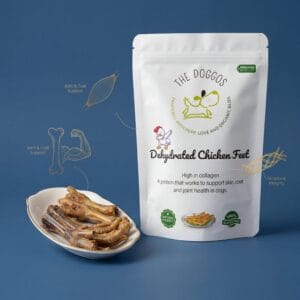
- Dehydrated Bones for Calcium + Dental Health: Okay, this is the ‘Goldilocks’ solution for small dogs. Dehydration at low temperatures (over 20+ hours, that’s a long time!) keeps the porous structure of the bone. Unlike cooked bones, dehydrated ones just crumble into a safe, chalky powder that your dog’s acidic stomach can easily digest. For small breeds, Dehydrated Chicken Feet are perfect. They’re small, easy for them to handle, packed with natural glucosamine and chondroitin (think of it as a joint pill in a chew!), and they really help scrape plaque off their teeth naturally. It’s safe, gives them vital calcium, and totally supports their dental hygiene. (I’ve seen this work with Indie dogs especially!)
The Two Golden Rules for Your Small Dog’s Bowl
No matter how small your dog is, these two nutrition pillars are absolutely non-negotiable for their long-term health. Period.
1. Calcium:Phosphorus Ratio Must be 1.2:1
Meat’s got a lot of phosphorus, but bone? That’s the main source of calcium. If you’re just feeding a boneless, home-cooked diet (say, only chicken and rice), you’re basically setting your small dog up for osteopenia and ‘Rubber Jaw’ syndrome over the years. Their body will literally pull calcium from their own skeleton to keep vital functions going. Not good, na?
The Fix for Small Breeds: The fix for small breeds? Add dehydrated bones like Dehydrated Chicken Feet regularly. For really tiny breeds or those new to chews, you can also use a small pinch of good quality calcium citrate or finely ground eggshell powder (from organic, sterilised shells) with their meals. Just remember, that stomach pH of 1-2 dissolves bone into absorbable calcium and phosphorus.
2. Omega-6:3 Balance is Crucial
Commercial Indian chicken is often corn/soy-fed, which means an Omega 6:3 ratio as high as 20:1 or even 30:1 (compare that to a healthy 7:1 for pasture-raised). This imbalance just floods your small dog’s body with inflammatory markers. You’ll see it as paw licking, hot spots, chronic ear infections, and that ‘unexplained’ itching. Symptoms often wrongly called ‘heat’ in Ayurveda or TCM. But here’s the thing , it’s not thermal heat; it’s inflammation, plain and simple.
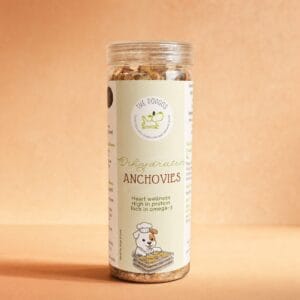
The Fix for Small Breeds: The fix for small breeds? You absolutely MUST add Omega-3 to every chicken meal. Hemp Seed Oil or Dehydrated Anchovies aren’t just ‘toppers’; they’re ‘balancers.’ A few drops of Hemp Seed Oil or a sprinkle of crushed anchovies can make a world of difference for their skin, coat, and overall inflammation levels. Small breeds, especially those with long coats, really benefit big time from this.
Protein Powerhouses for Your Little One
Picking the right protein is key, and for small breeds, variety can often really help with picky eating and getting a good mix of nutrients.
- Chicken: A fantastic daily staple, super digestible, and pretty lean. For small breeds, go for thigh meat (bone-in, skin-on before cooking and deboning) for natural taurine. Always wash with turmeric water, pressure cook, DEBONE (seriously!), and balance with Hemp/Anchovies. And don’t forget Chicken Feet; they’re a natural joint supplement (about 450mg glucosamine per foot!) and a dental aid. Talk about multi-tasking!
- Mutton (Goat): My ‘recovery meat.’ It’s leaner than commercial chicken and packed with iron (3x chicken) and zinc (4x chicken). Excellent for small dogs getting over tick fever, senior dogs with stiff joints, or those just needing an energy boost. It’s thought of as a ‘warming’ protein in Ayurveda, and its different protein structure means a lot of chicken-allergic small dogs do wonderfully on it. (My dog loves this when he’s feeling a bit down.)
- Quail: The hypoallergenic ‘super-prey’ for small, sensitive stomachs. If your small dog suffers from chronic allergies or itching (read more here), a Whole Dehydrated Quail can be a real real fix. It’s a novel protein, meaning their immune system likely hasn’t seen it before. And the feathers? They act like a natural ‘colon sweep,’ scrubbing intestinal walls and bulking stool, which can naturally express anal glands – a pretty common issue for small breeds. Who knew, right?
- Anchovies/Sardines: ‘Eat low on the food chain’ is my motto. These small, short-lived fish don’t have the heavy metal bioaccumulation you find in bigger fish. They’re powerhouses of DHA, essential for brain development in puppies (making them easier to train!) and helping prevent Cognitive Dysfunction Syndrome in senior small dogs. Dehydrated Anchovies are odour-controlled, which is perfect for vegetarian households.
Superfoods for Small Breed Health
These aren’t just ‘extras,’ you know? They’re really targeted nutritional support for your small breed’s unique needs.
- Hemp Seed Oil: The king of GLA (Gamma-Linolenic Acid), a rare anti-inflammatory Omega-6. Small dogs with Atopic Dermatitis often lack the enzyme to process normal fats; GLA bypasses this, offering direct relief for dry, cracking paws and dandruff. It’s plant-based and has a mild calming effect – seriously, start adding it a week before Diwali for your anxious little one. Find it on our hemp supplements page.
- Hemp Meal Balancer: This just transforms a simple chicken-rice bowl into a thriving meal. It balances amino acid and fat profiles, which is super important for small breeds with high metabolic rates, making sure they get full nutrition from every tiny bite.
- Baobab Powder: With 5-6x more Vitamin C than oranges, Baobab really fuels collagen synthesis for strong ligaments and elastic skin – totally vital for active small breeds. It’s also a fantastic prebiotic fibre, excellent for settling sensitive guts during diet transitions. I swear by this stuff.
- Baobab Oil: Unlike heavy oils, Baobab Oil actually absorbs INTO the skin, mimicking its natural lipid barrier. For small breeds prone to skin issues (like hot spots) or dry noses, this is a miracle worker. We’ve seen proven results like rapid healing of fungal infections, reversal of alopecia, and resolution of hyperkeratosis (those crusty noses). Explore our natural dog grooming range.
Kibble vs. Fresh: Why Your Small Dog Deserves Better
For small breeds, the difference between kibble and fresh food is even more obvious, all thanks to their sensitive systems and high metabolic rate. It’s a big deal.
| Feature | Kibble (Processed Dry Food) | Fresh, Natural Diet (The Doggos Method) |
|---|---|---|
| Digestibility | ~80% (Journal of Animal Science, 2021) | 90-94% |
| Nutrient Absorption | Lower, due to processing and fillers | Higher, more bioavailable nutrients |
| Water Content | ~10% (dehydrating for storage) | ~70% (natural hydration, kidney health) |
| Stool Volume & Odour | Large, smelly, frequent (more waste) | Smaller, firmer, less odorous (more absorbed) |
| Stomach pH Impact | High carbs can raise pH, increasing infection risk | Maintains naturally acidic pH (1-2), better pathogen defence |
| Palatability | Often bland, relies on artificial flavours | Naturally appealing to carnivores, great for picky eaters |
| Dental Health | Often poor, kibble doesn’t clean teeth effectively | Improved with appropriate dehydrated chews |
When you feed your small dog kibble, you’re basically giving them a diet super high in carbohydrates (which, by the way, they can’t pre-digest because they have no amylase in their saliva!). That can raise their stomach pH, making them way more prone to bacterial infections and poor bone digestion. This is why fresh food, packed with moisture and nutrients their body can actually use, leads to smaller, firmer stools and just way better overall health. It’s a no-brainer.
Crafting the Perfect Golden Bowl for Your Small Breed
Okay, let’s get practical. Here’s how to whip up a daily staple for your little one, making sure they get the best homemade dog food possible.
Mini Golden Chicken Bowl (Daily Staple for Small Breeds)
- Ingredients:
- 200-250g Chicken thighs (bone-in, skin-on for taurine, adjusted for small breed portion)
- 20-30g Chicken liver (Vitamin A, crucial in small amounts)
- 40-50g Red pumpkin (fibre, good for digestion)
- 1/2 tsp Turmeric paste (natural antiseptic, anti-inflammatory)
- A pinch of Hemp Meal Balancer (for amino acids and fats)
- A few drops of Hemp Seed Oil or 1/4 tsp crushed Dehydrated Anchovies (for Omega-3 balance)
- Method:
- Wash chicken and liver with turmeric water.
- Pressure cook chicken, liver, and pumpkin with turmeric paste for 2-3 whistles.
- Once cooked and cooled slightly, DEBONE the chicken thoroughly. This is critical for small breeds.
- Mash the pumpkin into the broth and shredded chicken/liver mixture.
- Once cooled to lukewarm, stir in the Hemp Meal Balancer and Hemp Seed Oil/Anchovies.
- Serve fresh.
Portioning: Small breeds usually need about 2-3% of their ideal body weight in food every day, split into 2-3 meals. You’ll need to adjust based on how active they are and their individual metabolism. Always watch their body condition, you know?
Got a sensitive small breed? Consider an Itchy Dog Reset using Whole Dehydrated Quail if you suspect allergies. Best part? No cooking needed, and that chewing action actually gives them calming endorphins. Win-win!
Common Mistakes Indian Pet Parents Make with Small Breeds
I’ve seen these mistakes countless times, and honestly, they often lead to health issues that are totally preventable.
- Feeding Only Rice and Roti: While it’s easy, this high-carb, low-protein diet is just not right for dogs. Your small dog’s saliva has NO amylase, meaning grains hit their stomach undigested, straining the pancreas and raising stomach pH. This leads to nutrient deficiencies and chronic issues. Look, Roti is NOT good for dogs as a main food source. Period.
- Giving Cooked Bones: As we talked about, this is a seriously dangerous trap, especially for small dogs whose internal structures are way more delicate. NEVER feed cooked bones. Stick to safe, dehydrated chews like Dehydrated Chicken Feet, please!
- Ignoring Calcium and Omega Balance: A boneless chicken and rice diet, or one without Omega-3s, will absolutely cause long-term health problems like weak bones and chronic inflammation. These aren’t ‘optional’ additions, na? They’re essential.
- Over-relying on Commercial Biscuits: Parle-G and Marie biscuits? They’re full of sugar and maida, rotting teeth and offering zero nutritional value. Replace them with functional treats like a Dehydrated Goat Ear for dental health and natural fibre, or a Dehydrated Chicken Foot. (I get so many DMs about this, people just don’t know!)
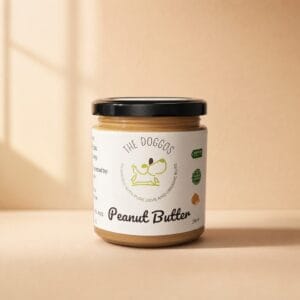
- Not Adjusting for Picky Eaters: A lot of small breeds are fussy. Instead of giving up or just giving them unhealthy treats, try novel proteins like Dehydrated Whole Quail or boost their meals with delicious, healthy additions like our zero-xylitol Peanut Butter or Bone & Organ Boost.
And seriously, a species-appropriate diet doesn’t cause aggression; it actually makes for a calmer, much more satisfied dog with stable blood sugar and no chronic indigestion. Big difference, right?
Frequently Asked Questions about Natural Dog Food for Small Breeds in India
Look, choosing the best natural dog food for your small breed here in India? It’s a journey, for sure, and I’m totally here to guide you. While I’ve shared my expert knowledge, always, always talk to your trusted vet for any specific health concerns or before making big changes to your dog’s diet, especially if they’ve got pre-existing conditions. Want more natural options? Go check out our range of dehydrated dog treats. Your little one deserves nothing but the best, na?