
Every Indian pet parent has asked the question: “Which protein is best for my dog? Chicken, mutton, or fish?” In a country with such diverse culinary traditions and climates, finding the right answer can feel like navigating a crowded Mumbai market. But here’s the truth: it’s not about finding ONE “best” protein. It’s about understanding your dog’s biology, respecting Indian realities, and ensuring a balanced, safe, and truly species-appropriate diet. And trust me, it’s simpler than you think. Honestly, a lot simpler.
The quick answer is: A varied diet incorporating gently cooked chicken, mutton, and low-mercury fish like anchovies or sardines, always balanced with safe calcium sources and Omega-3s, is ideal for your Indian dog. The key is to always “Cook the Meal, Dehydrate the Bone” and never, ever feed cooked bones. Got it?
Why Protein is Non-Negotiable for Your Desi Carnivore
Let’s get one thing straight: your dog is a carnivore. Period. While they’ve adapted to living alongside us for thousands of years, their internal machinery is still 99.9% wolf. And what does that mean for their food?
- Stomach pH 1-2: Super acidic, designed to dissolve bone and raw meat, and kill bacteria. (Humans? We’re at pH 4-5. Big difference.)
- No Amylase in Saliva: They can’t pre-digest carbohydrates like we can. That roti or biscuit hits their stomach effectively “whole,” straining their pancreas like crazy.
- Short Intestines: Designed for rapid processing of protein and fat, not for fermenting grains over days.
This biological blueprint tells us meat, not grains or vegetables, should be the cornerstone of their diet. Protein provides the essential amino acids for muscle growth, organ function, hormone production, and a strong immune system. Without enough, easily absorbed protein, your dog just won’t thrive. It’s that simple.
The Indian Reality: Why Raw Feeding Doesn’t Work Here
I love the *concept* of raw feeding. Biologically, it makes so much sense. But practically, in an Indian household, it’s a recipe for disaster. The “hygiene gap” is a very real thing:
- Wet Market Woes: Our local wet markets aren’t European supermarkets, yaar. The combination of open-air stalls, varying hygiene standards, and our tropical humidity means bacteria like Salmonella and E.coli can multiply on raw meat in minutes.
- Cross-Contamination Risk: Your dog drags that raw bone onto your rug, holds it between their paws, licks their chops, then jumps on your sofa for cuddles. Or worse, licks your child’s face. The risk of transferring nasty pathogens to humans is simply too high for me to ethically recommend it. I get so many DMs about this, and my answer is always the same.
While a dog’s stomach acid is robust enough to handle many pathogens, *bringing* those pathogens into your home environment? That’s a risk we just can’t ignore. This is why The Doggos champions the “Cook the Meal, Dehydrate the Bone” method. It’s the safe, practical, and nutritionally sound middle path for Indian pet parents. Honestly, it’s the only way.
Understanding Your Protein Options: Chicken, Mutton, Fish, and Beyond
Let’s break down the common protein sources available in India and how to feed them safely and effectively. You’ve got options!
1. Chicken: The Everyday Powerhouse (with a catch)
Chicken is undoubtedly the most popular and accessible protein for dogs in India. It’s lean, super digestible, and generally well-tolerated. A 100g serving of chicken breast offers about 27g of protein, making it excellent for muscle maintenance and energy. What’s not to love?
The “Heat” Myth & Omega-6 Imbalance
Many Indian pet parents worry about chicken causing “heat” in their dogs, leading to rashes, itching, or lethargy. I’m here to tell you that this “heat” is almost always a misdiagnosis. What you’re actually seeing is not thermal heat, but Omega-6 inflammation. Seriously.
Commercial chicken in India is predominantly fed a corn and soy diet. This results in an Omega-6 to Omega-3 ratio that can be as high as 20:1 or even 30:1. For optimal health, dogs need a ratio closer to 5:1 or 7:1. This excess Omega-6 floods their system with inflammatory markers, leading to all sorts of problems:
- Chronic paw licking
- Hot spots
- Persistent ear infections
- “Unexplained” itching and skin issues
- Dull coat
The Fix: You absolutely MUST balance the Omega-6s with Omega-3s. This isn’t an optional “topper,” it’s a “balancer.” It’s non-negotiable.
- Add a quality Hemp Seed Oil to every chicken meal. It’s rich in Gamma-Linolenic Acid (GLA), a rare Omega-6 that acts as an anti-inflammatory, bypassing the usual metabolic pathway to reduce inflammation directly.
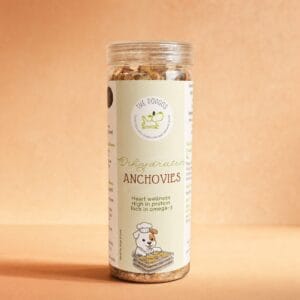
- Alternatively, incorporate Dehydrated Anchovies or Dehydrated Sardines for a potent dose of DHA and EPA.
The Cooked Bone Danger (Non-Negotiable Safety Rule!)
This is where many well-meaning Indian pet parents make a fatal mistake. They pressure-cook chicken with bones and feed it all. NEVER, EVER feed cooked bones to your dog. High heat makes bones brittle, causing them to shatter into sharp, jagged splinters that can:
- Perforate the oesophagus, stomach, or intestines.
- Cause choking.
- Lead to fatal peritonitis (a nasty abdominal infection).
Your dog’s stomach acid (pH 1-2) is designed to dissolve *raw* or *dehydrated* bone, not cooked. So, when feeding chicken, here’s the drill:
- Wash chicken with turmeric water (a natural antiseptic, easy peasy).
- Gently pressure cook the meat (with bones if you like, but you MUST de-bone later).
- DEBONE thoroughly after cooking. This step? Non-negotiable.
- Add your Omega-3 balancer.
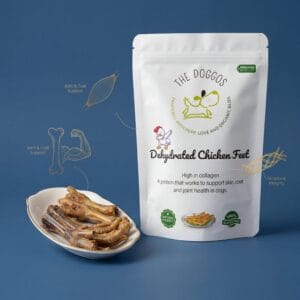
Safe Calcium Source: For calcium, use Dehydrated Chicken Feet. They are a natural source of glucosamine and chondroitin for joint health, and because they are dehydrated (low-temp, long duration), their porous structure remains intact, crumbling safely into a chalky powder that dissolves in your dog’s acidic stomach. They’re functional medicine, not just a snack! (My Lab goes crazy for these.)
2. Mutton (Goat): The Recovery & Warming Protein
Mutton, specifically goat meat, is a fantastic protein that often gets overlooked. I call it the “recovery meat” for good reason. Compared to chicken, goat is:
- 3x richer in Iron: Crucial for red blood cell production.
- 4x richer in Zinc: Essential for immune function and skin health.
- Leaner: Often leaner than commercial chicken, which can be quite fatty.
When to choose Mutton:
- Tick Fever Recovery: Mutton is invaluable for dogs recovering from tick-borne diseases like Babesiosis or Ehrlichiosis, as it helps rebuild platelets and red blood cells.
- Winter Feeding: In Ayurveda and TCM, mutton is considered a “warming” protein, making it excellent for colder months, senior dogs with stiff joints, or those prone to lethargy.
- Allergy Alternative: Many dogs with chicken allergies (often due to over-exposure to a single protein) thrive on goat meat because of its different protein structure.
Just like chicken, cook mutton thoroughly and NEVER feed cooked mutton bones. For safe calcium and an incredibly satisfying chew, offer Dehydrated Mutton Trotters. They’re packed with collagen, iron, and are fantastic for dental health, scraping plaque and releasing calming endorphins through chewing. Plus, they keep them busy for ages!
3. Fish: The Brain Booster & Omega-3 Champion
Fish is an excellent source of highly digestible protein and, crucially, provides those vital Omega-3 fatty acids (DHA and EPA) that chicken often lacks. However, not all fish are created equal. You’ve got to be smart about it.
The “Eat Low on the Food Chain” Rule:
To avoid heavy metal bioaccumulation (mercury), always choose small, short-lived fish that eat plankton, rather than large predatory fish like tuna, mackerel, or shark. My top recommendations are:
- Anchovies: Rich in DHA, crucial for brain development in puppies (making them easier to train!) and preventing Cognitive Dysfunction Syndrome in senior dogs. They are also packed with calcium if fed whole.
- Sardines: Similar to anchovies, offering excellent protein and Omega-3s.
- Bombay Duck: A novel fish protein, great for dogs with sensitivities to common proteins.
Convenience for Indian Homes:
I understand that cooking fresh fish daily can be a hassle and the smell can be an issue, especially in vegetarian households. This is where Dehydrated Anchovies, Dehydrated Sardines, and Dehydrated Bombay Duck shine. They offer all the nutritional benefits without the mess or smell, making them perfect as a daily balancer or a high-value treat. So easy!
4. Quail: The Hypoallergenic “Super-Prey”
For dogs struggling with chronic allergies, mysterious itching, or digestive upset, quail is a real fix. It’s considered a “novel protein” because most dogs have never been exposed to it, making it ideal for elimination diets. What a relief for some dogs!
- Novelty: Allergies often develop from over-exposure to common proteins. Quail offers a fresh start.
- Whole Prey Benefits: When you feed Dehydrated Whole Quail, you’re not just feeding muscle meat. You’re providing bones (calcium, phosphorus), organs (vitamins, minerals), and even feathers.
- Feathers as a Colon Sweep: The insoluble keratin in quail feathers acts as a natural “colon sweep.” It scrubs the intestinal walls, helps bulk up stool, and can naturally express anal glands. Is your dog scooting? Try a feather! (I’ve seen this work with Indie dogs especially.)
- Manganese: Quail is an excellent source of manganese, a vital mineral for protecting ligaments and tendons, which can help prevent common injuries like CCL (cranial cruciate ligament) tears.
The Two Golden Rules of Every Bowl: Calcium & Omega Balance
Regardless of the protein you choose, these two rules are paramount for your dog’s long-term health. Don’t skip them.
1. Calcium:Phosphorus Ratio Must be 1.2:1
This is a life-or-death rule. Meat is rich in phosphorus, but very low in calcium. If you feed a boneless home diet (e.g., just chicken + rice) for years without a calcium source, your dog’s body will start leaching calcium from their own bones. And that leads to some scary stuff:
- Osteopenia: Weakening of bones.
- “Rubber Jaw” Syndrome: Severe facial deformities due to bone demineralization. Imagine that.
- Organ Dysfunction: Calcium is critical for nerve transmission, muscle contraction, and blood clotting.
The Fix: You MUST add a safe calcium source to every boneless meal. Options:
- Dehydrated Bones: My favourite and safest method. Dehydrated Chicken Feet, Whole Quail, or even Dehydrated Pig Bone provide bioavailable calcium and phosphorus in the correct ratio.
- Eggshell Powder: Grind clean, dried eggshells into a fine powder. (About 1/2 tsp per 250g meat).
- Calcium Citrate: A supplement from a trusted brand.
2. Omega-6:3 Balance
As discussed with chicken, commercial Indian meats are often skewed heavily towards inflammatory Omega-6s. This imbalance causes chronic inflammation, leading to a host of health issues from itchy skin to joint pain. We don’t want that, do we?
The Fix: Supplement with Omega-3s in every meal that uses commercial chicken. Options:
- Hemp Seed Oil: A plant-based source of anti-inflammatory GLA and balanced Omega-3s. Fantastic for skin, coat, and even anxiety.
- Dehydrated Anchovies or Dehydrated Sardines: Excellent sources of DHA and EPA.
Practical Plan: Building a Rotational Protein Diet
The best approach is a rotational diet. Not only does this prevent nutritional deficiencies, but it also reduces the likelihood of allergies developing from over-exposure to a single protein. Here’s how you can incorporate variety. It’s easier than you think.
The Golden Chicken Bowl (Daily Staple)
This is my go-to for a balanced, everyday meal. Remember the rules!
Ingredients:
- 500g chicken thighs (bone-in, skin-on for taurine, but you’ll de-bone later, of course)
- 50g chicken liver (vital Vitamin A)
- 100g red pumpkin (fibre, prebiotics)
- 1/2 tsp turmeric paste (anti-inflammatory)
- 1-2 tsp Hemp Meal Balancer (for amino acids, fibre, and fat balance)
- 1-2 tsp Hemp Seed Oil OR 2-3 Dehydrated Anchovies (Omega-3 balance)
- 1 Dehydrated Chicken Foot (for calcium and joint health)
Method:
- Wash chicken and liver with turmeric water.
- Pressure cook chicken, liver, and pumpkin with enough water to make a broth (2-3 whistles).
- Once cooled, DEBONE the chicken thoroughly. Discard all cooked bones. Every single one.
- Mash the pumpkin into the broth.
- Stir in the Hemp Meal Balancer, Hemp Seed Oil (or anchovies).
- Serve with the Dehydrated Chicken Foot on the side for chewing.
Mutton Strength Stew (Recovery & Winter)
Perfect for dogs needing a boost or during colder months. It’s comforting.
Ingredients:
- 500g goat curry cut (leaner cuts are better, if you can get them from your neighbourhood butcher)
- 100g sweet potato
- Handful of spinach (wilt in residual heat)
- 4-5 Dehydrated Anchovies (Omega-3s + calcium)
Method:
- Pressure cook goat curry cut and sweet potato (4-5 whistles).
- DEBONE thoroughly after cooking. No cooked bones, remember?
- Wilt spinach in the residual heat.
- Stir in anchovies (can be crushed).
- Serve with a Dehydrated Mutton Trotter for enrichment and dental health.
Itchy Dog Reset (Elimination Diet)
When your dog is constantly itching, this novel protein meal can help reset their system. It’s a lifesaver for some.
Ingredients:
- 1 Dehydrated Whole Quail
- 50g steamed green beans
- 1 tsp Baobab Powder (Vitamin C, prebiotics for gut health)
Method:
- No cooking needed for the quail! Simply offer the whole dehydrated quail. Chewing is natural enrichment and releases endorphins, calming a stressed, itchy dog.
- Mix steamed green beans with Baobab powder.
- Serve.
Common Mistakes Indian Pet Parents Make with Protein
I see these errors almost daily, and they can have serious long-term consequences. Let’s fix them, na?
- Feeding Cooked Bones: This is the most dangerous mistake. Cooked bones splinter, leading to internal injuries. Always debone cooked meat. There’s no exception.
- Boneless Chicken & Rice Diet: Feeding only boneless chicken and rice for years without a calcium source is a recipe for osteopenia and “Rubber Jaw” syndrome. You MUST balance calcium and phosphorus. It’s not optional.
- Ignoring Omega-6:3 Imbalance: Believing chicken causes “heat” and stopping it, instead of addressing the root cause: inflammatory Omega-6s. Add Omega-3s! It works, trust me.
- Relying Solely on Kibble: Kibble is dead, processed food. It’s high in carbohydrates that dogs can’t properly digest, raises stomach pH, and provides inferior nutrition compared to fresh food. Why settle?
- Treating Dehydrated Chews as Mere Snacks: Our dehydrated treats like Chicken Feet, Mutton Trotters, and Whole Quail are functional medicine. They are natural joint supplements, dental tools, and vital mineral sources. Don’t underestimate them!
- Feeding Roti/Parle-G/Marie Biscuits: These are full of maida (refined flour) and sugar, rot teeth, and offer zero nutritional value. Zero! Give a functional Pumpkin PB Biscuit or a Dehydrated Goat Ear instead. Your dog will thank you.
Frequently Asked Questions About Dog Protein in India
Q1: Is chicken really “hot” for dogs, especially in Indian summers?
A: No, the concept of “heat” from chicken is a total myth. What pet parents often observe (rashes, itching, lethargy) is typically a result of chronic inflammation caused by an imbalanced Omega-6 to Omega-3 ratio in commercial chicken. By adding Omega-3s like Hemp Seed Oil or Dehydrated Anchovies, you can resolve these issues without needing to stop feeding chicken, even in summer. Meat does have a higher Thermic Effect of Food (TEF), but the adverse reactions are almost always due to inflammatory fats. Honestly, most vets won’t tell you this.
Q2: Can I feed my dog raw meat, especially chicken, from the wet market?
A: I strongly advise against feeding raw meat, particularly from Indian wet markets. While dogs are biologically carnivores with strong stomach acid, the hygiene standards and high humidity in India create a big risk of bacterial contamination (Salmonella, E.coli). This poses a serious cross-contamination risk to your household. Our philosophy is “Cook the Meal, Dehydrate the Bone” to ensure safety and optimal nutrition. For more details, read my guide on Raw Food Diet for Dogs in India.
Q3: What about bones? Are they safe for my dog?
A: Bones are essential for calcium and phosphorus, but safety is paramount. NEVER feed cooked bones, as high heat makes them brittle, causing them to splinter into sharp, dangerous fragments. Only raw recreational bones or, more safely for Indian homes, dehydrated bones are appropriate. Dehydrated bones (like Chicken Feet or Dehydrated Mutton Trotters) retain their porous structure, crumbling safely for digestion. See my detailed guide on Can Dogs Eat Bones? for more information. It’s really important.
Q4: How much protein does my dog need daily?
A: The exact amount varies based on your dog’s age, activity level, breed, and health status. Generally, adult dogs need about 2-3 grams of protein per kilogram of body weight per day. Growing puppies, pregnant/lactating dogs, or those recovering from illness may need more. It’s always best to observe your dog’s energy levels, coat condition, and stool quality to adjust portions. A good rule of thumb for fresh food is to feed 2-3% of their ideal body weight daily, with protein making up the majority of that. Listen to your dog’s body!
Q5: Is a vegetarian diet good for my dog?
A: Absolutely not. Dogs are biologically carnivores. While they can survive on a vegetarian diet, they cannot truly thrive. Plant proteins lack the complete amino acid profile dogs need, and their digestive system isn’t designed to efficiently extract nutrients from plant matter. Forcing a vegetarian diet on a carnivore can lead to serious nutritional deficiencies over time. If you’re a vegetarian household, you can still feed meat to your dog by opting for convenient, pre-portioned homemade dog food recipes or using odour-controlled dehydrated fish as a protein source. There are ways around it.
Choosing the best protein for your dog in India isn’t about finding a single answer, but embracing a holistic, safe, and biologically appropriate approach. By understanding the nuances of chicken, mutton, and fish, always ensuring calcium-phosphorus balance, and tackling Omega-6 inflammation head-on, you’ll be giving your Desi Carnivore the foundation for a long, healthy, and happy life. And remember, “Cook the Meal, Dehydrate the Bone” is the mantra for every responsible Indian pet parent. It’s that simple, and it works.
Related Reading
- Read the complete Indian dog feeding guide.
- About the author: Mahiv Chhabra, certified canine nutritionist.