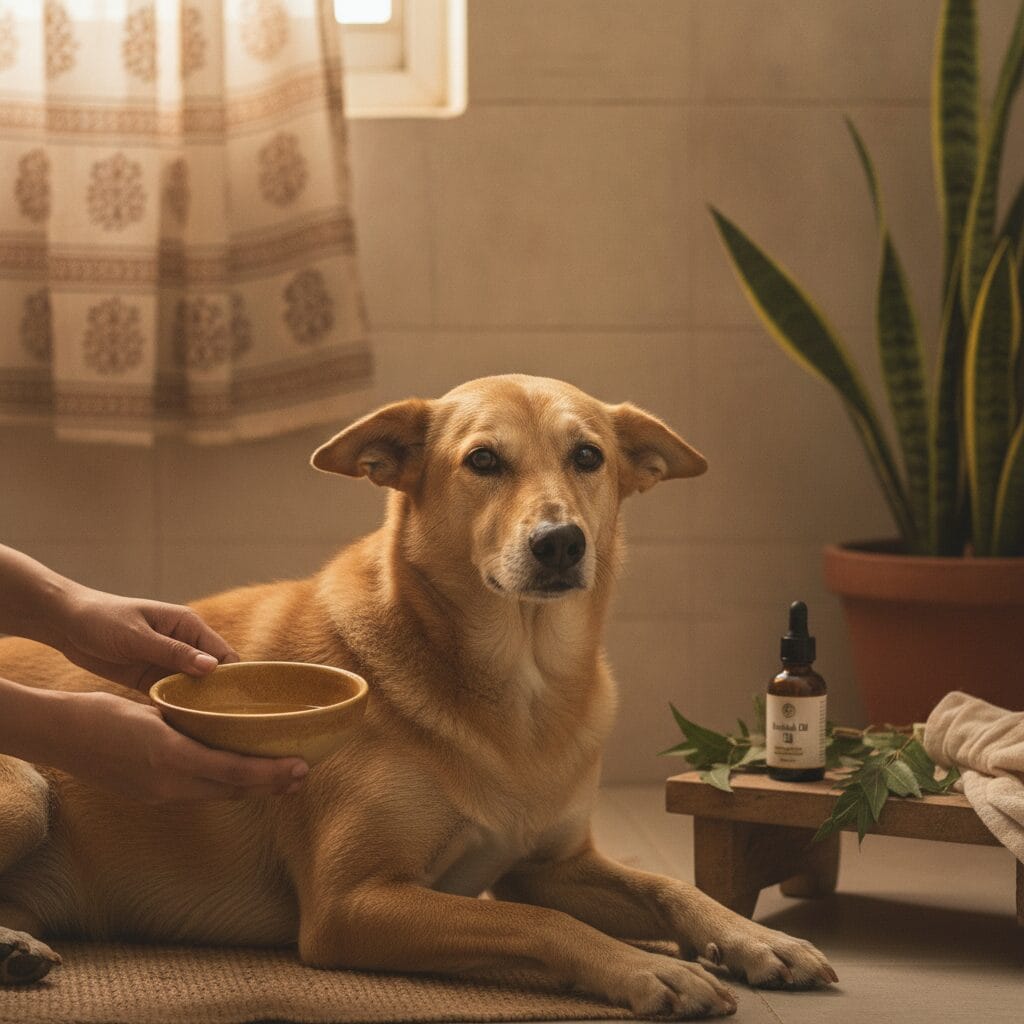
Seeing your cat constantly scratching, shedding clumps of fur, or sporting flaky dandruff can be heartbreaking. In India, our unique climate and environmental factors often exacerbate these issues, leaving many cat parents frustrated with endless vet visits and temporary fixes. But what if the solution wasn’t a chemical concoction, but a powerful natural oil?
Quick Answer: Baobab Oil for Cat Skin Problems India
Yes, Baobab Oil is an exceptional natural remedy for common cat skin problems in India, including fur loss, dandruff, and itchy spots. Its unique fatty acid profile, especially high palmitic and oleic acids, allows it to penetrate the epidermis, mimicking the skin’s natural lipid barrier. This deep absorption heals from within, reducing inflammation, moisturising dry skin, and promoting healthy fur regrowth where other oils simply sit on the surface.
Understanding Cat Skin Problems in India
Our Indian environment presents a distinct set of challenges for feline skin health. High humidity in coastal cities like Mumbai and Chennai, combined with dust and allergens, creates a breeding ground for various skin conditions. While cats are meticulous groomers, even they struggle against these factors.
Common Causes of Cat Skin Issues
Several factors contribute to skin problems in cats:
- Allergies: Just like humans, cats can suffer from food, environmental (pollen, dust mites), or flea allergies. Food allergies often manifest as excessive itching, fur loss, and skin lesions.
- Parasites: Fleas, ticks, mites (sarcoptic, demodectic, ear mites) are rampant in India and can cause intense itching, scabs, and fur loss. Regular preventive care is crucial.
- Fungal Infections: Ringworm is a common fungal infection in cats, especially strays or those with compromised immune systems. It causes circular patches of fur loss, redness, and scaling.
- Bacterial Infections: Secondary bacterial infections often occur when cats scratch excessively, breaking the skin barrier. These can lead to pustules, crusts, and further fur loss.
- Nutritional Deficiencies: A diet lacking in essential fatty acids (like Omega-3s) or certain vitamins can lead to dry, flaky skin, dull coat, and increased shedding. Many commercial cat foods, especially those heavily processed, fail to provide optimal nutrition.
- Stress and Anxiety: Cats are sensitive creatures. Stress from changes in environment, new pets, or loud noises (like Diwali crackers) can lead to over-grooming, resulting in bald patches.
Why Traditional Remedies Often Fall Short for Feline Skin
Many Indian cat parents instinctively reach for remedies like coconut oil or mustard oil for skin issues. While these have their place, they are often not effective for deep-seated problems.
From Mahiv’s Practice: “I’ve seen countless cat parents in Delhi come to me after months of trying coconut oil for their cat’s persistent fur loss and crusty skin. While coconut oil can provide a superficial layer of moisture, it often sits on the skin and can even trap heat, potentially worsening fungal issues in our humid climate. It simply doesn’t penetrate deep enough to address the underlying inflammation or rebuild the skin barrier effectively. For a Bengal cat with chronic dandruff and patchy fur in Gurugram, switching to Baobab Oil twice a day saw visible improvement in just two weeks, with fur regrowth by the end of the month. The difference in absorption is truly remarkable.”
Here’s a quick comparison of common oils:
| Oil Type | Key Fatty Acids | Absorption | Common Uses for Cat Skin | Efficacy for Deep Issues |
|---|---|---|---|---|
| Baobab Oil | Palmitic, Oleic, Linoleic | Deeply absorbed (mimics skin lipids) | Dandruff, fur loss, hot spots, dry skin, fungal infections | High (penetrates and heals from within) |
| Coconut Oil | Lauric, Myristic | Sits on surface (can clog pores) | Superficial moisture, anti-bacterial (mild) | Low (limited penetration for deep healing) |
| Olive Oil | Oleic, Linoleic | Moderate (heavier, can feel greasy) | Moisture, antioxidant | Moderate (can be heavy, less ideal for fur) |
| Mustard Oil | Erucic, Oleic | Poor (irritating, not recommended for pets) | Traditional human uses only | None (potentially harmful for pets) |
The Science Behind Baobab Oil for Cat Skin Problems India
This is where Baobab Oil truly shines as a solution for cat skin issues. Sourced from the ‘Tree of Life’ native to Africa, Baobab oil is a powerhouse of nutrients perfectly suited for healing delicate feline skin.
How Baobab Oil Works
- Deep Penetration: Unlike heavier oils that just sit on the fur, Baobab Oil has a unique composition of Palmitic and Oleic acids. These fatty acids are similar to the lipids naturally found in your cat’s skin, allowing the oil to absorb directly into the epidermis. This means it doesn’t just moisturise the surface, but actively repairs and strengthens the skin barrier from within.
- Anti-inflammatory Action: The oil contains potent anti-inflammatory compounds that calm irritated skin, reducing redness and itchiness. This breaks the vicious cycle of scratching that often leads to further infection and fur loss.
- Moisture Lock: Baobab Oil helps to restore the skin’s natural moisture balance, making it incredibly effective against dandruff and dry, flaky patches. It creates a protective barrier without feeling greasy or clogging pores.
- Collagen Synthesis: Rich in Vitamin C (even more than oranges), Baobab contributes to collagen production. Collagen is vital for skin elasticity and strength, helping to heal lesions and promote healthy fur regrowth.
- Antifungal & Antibacterial Properties: Its natural properties help combat common skin infections, making it a powerful ally against fungal issues like ringworm and secondary bacterial infections that often accompany scratching.
Practical Guide: Using Baobab Oil for Your Cat’s Skin
Integrating Baobab Oil into your cat’s routine is simple and effective. Remember, consistency is key.
Application Protocol
- Clean the Area: Gently clean the affected skin area with a mild, pet-safe cleanser or warm water. Pat dry thoroughly.
- Patch Test: Before full application, apply a tiny drop to a small, unaffected skin area. Wait 24 hours to ensure no adverse reaction.
- Apply Sparingly: Baobab Oil is potent. For localised issues like hot spots, dandruff patches, or areas of fur loss, apply 2-3 drops directly to the skin. Gently massage it in until absorbed.
- Full Body (for general dryness/shedding): For overall coat health or widespread dandruff, you can add 1-2 drops to your hands, rub them together, and then gently stroke through your cat’s fur, focusing on getting it to the skin.
- Frequency: Apply twice daily for active issues. Once the condition improves, reduce to once daily or every other day for maintenance.
Ensure your cat doesn’t excessively lick the applied oil immediately after. While Baobab Oil is safe if ingested in small amounts, we want it to absorb into the skin.
Expected Results and Timeline
While every cat is different, here’s what you can generally expect:
- Within 24-48 hours: Reduction in redness and immediate relief from intense itching. Hot spots often begin to dry out.
- Within 1-2 weeks: Significant decrease in dandruff and flakiness. Skin feels smoother and more supple. Fur loss due to irritation should slow down.
- Within 1 month: Noticeable new fur regrowth in bald patches. Overall coat appears shinier and healthier.
- Long-term: Continued use helps maintain skin barrier integrity, preventing recurrence of many common issues.
For more severe or persistent conditions, consider pairing Baobab Oil with our Baobab Therapy Mask for a deeper detox and anti-fungal treatment.
Common Mistakes Indian Cat Parents Make
Navigating feline health in India can be tricky. Here are some common pitfalls I see:
- Ignoring Dietary Triggers: Often, skin issues stem from a poor diet. Feeding highly processed kibble, especially those with excessive grains and fillers, can lead to inflammation and allergies. Cats are obligate carnivores, meaning they need meat, not carbs.
- Over-reliance on Steroids: While steroids offer quick relief from itching, they don’t address the root cause and can have serious long-term side effects. It’s a temporary band-aid, not a cure.
- Using Human Products: Shampoos, oils, or creams meant for humans can be toxic or too harsh for a cat’s delicate skin and pH balance. Always use pet-specific products.
- Not Addressing Parasites: Even indoor cats can get fleas or mites. Regular deworming and anti-parasitic treatments are non-negotiable, especially in our tropical climate.
- Assuming “Heat” is the Cause: Many believe chicken or eggs cause “heat” that leads to rashes. As I discuss on my author page, what’s often perceived as “heat” is usually an Omega-6 inflammatory response from commercially raised, corn-fed poultry. Balancing the diet with Omega-3s, such as from Dehydrated Anchovies, or using anti-inflammatory agents like Baobab Oil, typically resolves this without removing essential protein.
Frequently Asked Questions About Cat Skin Problems India
Is Baobab Oil safe for cats to lick?
Yes, Baobab Oil is generally safe if your cat licks small amounts. It’s a natural, non-toxic oil. However, the goal is for it to absorb into the skin, so try to distract your cat for a few minutes after application.
How often should I apply Baobab Oil for cat dandruff?
For active dandruff or flakiness, apply Baobab Oil twice daily. Once you see significant improvement, you can reduce the frequency to once daily or every other day for maintenance and prevention.
Can Baobab Oil help with cat ringworm?
Baobab Oil has natural antifungal properties that can aid in the healing of ringworm. While it can be a supportive treatment, always consult your vet for a proper diagnosis and treatment plan for fungal infections. Use Baobab Oil as a complementary therapy to soothe the skin and promote healing.
What are the signs of a cat food allergy in India?
Signs of a cat food allergy can include persistent itching (especially around the head and neck), fur loss, recurrent ear infections, vomiting, or diarrhoea. Common culprits are often proteins like chicken or fish, or grains found in commercial kibble. An elimination diet under veterinary guidance can help identify the trigger.
Can I use Baobab Oil on my cat’s paws and nose?
Absolutely! Baobab Oil is excellent for dry, cracked paws and crusty noses (hyperkeratosis). It absorbs deeply, moisturises, and heals. For targeted paw and nose care, our Baobab Paw and Nose Balm offers a more concentrated solution.
Heal Your Cat’s Skin, Naturally
Don’t let your cat suffer from persistent skin issues. The humid Indian climate and common dietary pitfalls make our felines prone to fur loss, dandruff, and incessant itching. By understanding the root causes and choosing the right natural remedy, you can provide lasting relief.
I wholeheartedly recommend Baobab Oil as your go-to solution for cat skin problems in India. Its unique ability to penetrate and heal from within makes it far superior to surface-level treatments. Give your beloved feline the gift of healthy, comfortable skin and a gleaming coat. Explore our range of natural grooming solutions on The Doggos website today.