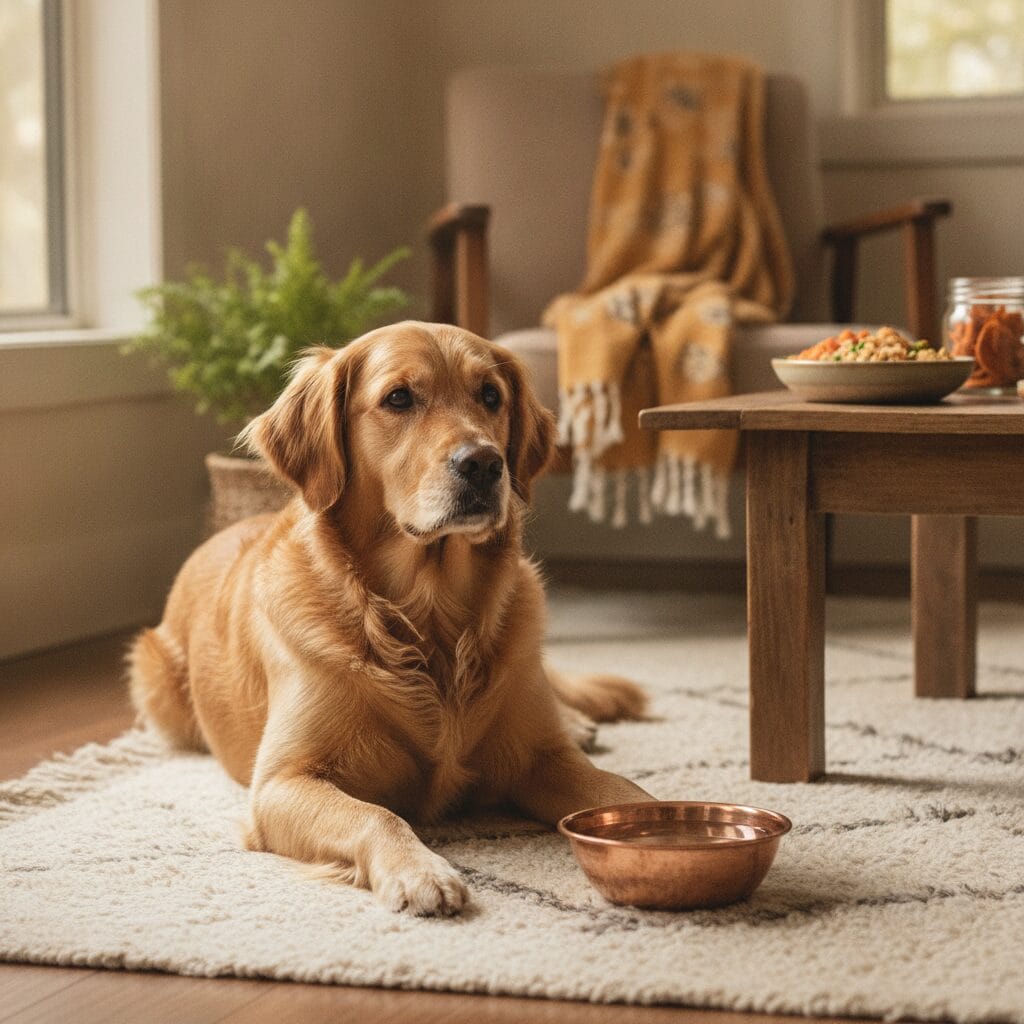
Seeing your dog turn their nose up at a meal, especially when they usually gobble it down, is concerning. In India, with our varied climate and living conditions, a sudden loss of appetite can mean many things. From a simple upset tummy to something more serious. Knowing when to observe and when to rush to the vet is crucial.
Quick Answer: Dog Not Eating in India, When to Worry?
If your dog is not eating in India, look for red flags like vomiting, diarrhoea, lethargy, or pain. For mild fussiness without other symptoms, offer small, frequent meals of easily digestible food. Tempting high-value toppers such as Dehydrated Bone and Organ Boost can often kickstart their appetite. Always seek veterinary advice if appetite loss lasts over 24 hours, or if accompanied by any worrying signs.
Why Is My Dog Not Eating? Common Reasons in India
Appetite loss, or anorexia, isn’t a disease itself. It’s a symptom of an underlying issue. Here are some common culprits I see in my practice across India:
Environmental Factors
- Heat Stress: India’s summers, especially in cities like Chennai or Mumbai, can significantly reduce a dog’s appetite. Just like us, they prefer lighter meals and less activity in extreme heat.
- Stress or Anxiety: Changes in routine, new people, loud noises (think Diwali fireworks), or even separation anxiety can cause dogs to lose interest in food.
- Travel Sickness: Long car journeys or train rides can leave some dogs feeling nauseous and off their food for a day or two.
Minor Health Issues
- Upset Stomach: Eating something off the street (a common occurrence for many Indies and street dogs), a sudden diet change, or even mild food intolerance can cause a temporary loss of appetite, often with vomiting or loose stools. For more on this, read my guide on My Dog is Vomiting Yellow Bile in India.
- Dental Problems: Pain from a broken tooth, gum disease, or an abscess can make eating incredibly painful.
- Vaccination Side Effects: It’s common for dogs to be a bit lethargic and have reduced appetite for 24-48 hours after vaccinations.
- Medication Side Effects: Some medications, especially antibiotics or anti-inflammatories, can cause nausea and appetite suppression.
Dietary Issues
- Picky Eating: Some dogs are simply picky, especially if they’ve been fed a diet of highly palatable (but often unhealthy) human food or kibble with artificial flavour enhancers. They might be holding out for something better.
- Dietary Imbalance: A long-term diet lacking essential nutrients, or one that’s too high in carbohydrates (like excessive roti), can lead to a general feeling of malaise and reduced interest in food.
- Omega-6 Inflammation: The ‘heat’ myth in India often attributes skin issues and appetite loss to chicken. In reality, it’s often an imbalance of Omega-6 to Omega-3 fats in commercial chicken, leading to inflammation that can manifest as discomfort and reduced appetite.
When to Worry: Red Flags for Appetite Loss
While a day of fasting might be okay for a healthy adult dog, certain signs warrant immediate veterinary attention. These are the red flags I tell every Indian pet parent to watch out for:
- Appetite Loss for More Than 24 Hours: Especially in puppies, seniors, or small breeds, prolonged fasting can quickly lead to dehydration and hypoglycaemia.
- Repeated Vomiting or Diarrhoea: These, combined with not eating, can lead to rapid dehydration and electrolyte imbalance.
- Lethargy or Weakness: If your dog is unusually quiet, unwilling to play, struggles to stand, or seems disoriented.
- Fever: If you suspect your dog has a fever (warm ears, nose, or groin).
- Pain or Discomfort: Whining, guarding their abdomen, difficulty moving, or unusual aggression when touched.
- Bloated or Distended Abdomen: This can indicate a serious issue like bloat (GDV), which is a medical emergency.
- Pale Gums: A sign of anaemia or shock, requiring urgent vet care.
- Known Exposure to Toxins: If you suspect they’ve eaten something poisonous.
Home Triage: What You Can Do Immediately
If your dog is refusing food but showing no other alarming symptoms, you can try these steps at home:
- Offer Water: Ensure fresh, cool water is always available. You can add a splash of bone broth (homemade, unsalted) to make it more appealing. Dehydration can worsen appetite loss.
- Small, Frequent Meals: Instead of a large bowl, offer tiny portions of bland, easily digestible food every few hours.
- Tempting Options: Try boiled chicken (deboned, unseasoned), cooked eggs, or plain curd (start with a spoonful to check for lactose intolerance). For more on safe foods, see Can Dogs Eat Eggs in India? or Can Dogs Eat Curd?
- Change Location: Sometimes, a change of scenery can help. Try feeding in a quiet room away from distractions.
- Hand-Feeding: Some dogs respond well to being hand-fed, especially if they’re feeling unwell.
- Monitor Closely: Keep a detailed log of when your dog last ate, drank, urinated, and defecated. Note any changes in behaviour.
High-Value Toppers: Tempting Picky Eaters
When a dog is off their food, the goal is often to stimulate their appetite with something highly palatable and nutrient-dense. This is where high-value toppers come in. They aren’t just treats; they are functional foods designed to entice and provide vital nutrients.
| Topper | Key Benefits | Why it Helps Appetite |
|---|---|---|
| Dehydrated Bone and Organ Boost | Taurine, Iron, B Vitamins, Calcium, Phosphorus | Intense meaty aroma, highly palatable, nutrient-dense to support recovery. |
| Dehydrated Anchovies | Omega-3 DHA/EPA, Protein | Strong fishy smell (irresistible to most dogs), healthy fats for brain and coat, easy to sprinkle. |
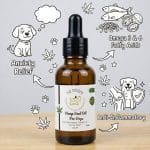
| Hemp Seed Oil | GLA (anti-inflammatory Omega-6), Omega-3, Omega-6 | Nutty aroma, supports gut health and reduces inflammation that might suppress appetite. |
| Cooked Liver | Vitamin A, Iron, Copper | Rich, earthy smell and taste, highly palatable and nutrient-dense. |
| Pumpkin Puree | Fibre, Vitamins A/C/E | Mildly sweet, easy to digest, supports gut health during transition. |
The Power of Dehydrated Bone and Organ Boost
When I see a dog struggling with appetite, especially after an illness or during a stressful period, my go-to recommendation is often The Doggos Dehydrated Bone and Organ Boost. This isn’t just a sprinkle; it’s a carefully formulated blend of nutrient-rich organs and bone that provides a concentrated source of essential vitamins, minerals, and amino acids.
Why is it so effective? Organs like liver, heart, and kidney are far more palatable and nutrient-dense than muscle meat alone. They are packed with taurine, iron, and B vitamins, which are crucial for energy and overall well-being. The intense, natural aroma of dehydrated organs is incredibly appealing to even the pickiest eaters. It’s like a flavour bomb for their senses, encouraging them to eat when nothing else seems to work.
for dogs on home-cooked diets, organ meat is often overlooked. Our Dehydrated Bone and Organ Boost ensures they get these vital nutrients without the hassle of sourcing and cooking fresh organs, which can be difficult in Indian wet markets due to hygiene concerns. It’s a simple, safe, and highly effective way to add a nutritional punch and irresistible flavour to any meal.
Mahiv’s Clinic Notes: A Case Study on Picky Eaters
I remember a Golden Retriever in Bengaluru, a client named Leo, who became incredibly finicky after a bout of tick fever. His parents were struggling to get him to eat anything, despite trying boiled chicken, rice, and even store-bought prescription diets. After observing his persistent lack of interest, I suggested incorporating a high-value topper. We started by sprinkling just 1 teaspoon of Dehydrated Bone and Organ Boost over his regular, gently cooked chicken and pumpkin meal. Within two days, Leo was finishing his bowls again. The concentrated flavour and nutrient boost from the organs seemed to reignite his appetite and aid his recovery. This isn’t magic; it’s just species-appropriate nutrition.
Creating a Tempting Meal: The Doggos Approach
Here’s a simple strategy to encourage your dog to eat using principles I advocate:
- Start with a Bland Base: Gently cooked, deboned chicken (pressure-cooked for safety in India) or lean mutton with a small amount of mashed pumpkin or sweet potato. Remember, always debone after cooking to prevent splintering.
- Add a High-Value Topper: Once the base food has cooled, sprinkle 1-2 teaspoons of Dehydrated Bone and Organ Boost directly onto the food. The aroma will be instantly appealing.
- Warm it Slightly: A slightly warmed meal (not hot) can enhance the aroma and make it more enticing.
- Serve in a Calm Environment: Reduce distractions during mealtime.
- Remove After 15 Minutes: If your dog doesn’t eat, remove the bowl. This teaches them that food is available at specific times, rather than grazing all day. Don’t leave food out to spoil, especially in India’s climate.
Common Mistakes Indian Pet Parents Make
- Forcing Food: Trying to force-feed a dog can create a negative association with mealtime and increase stress.
- Offering Too Many Options: Constantly changing foods or offering too many ‘treats’ (like Parle-G biscuits) makes dogs hold out for the tastiest option, perpetuating picky eating. Stick to a consistent, balanced diet.
- Feeding Cooked Bones: This is a dangerous mistake. Cooked bones become brittle and can splinter, causing fatal internal injuries. Always de-bone after cooking meat. For safe chewing, offer dehydrated dog treats.
- Ignoring Hydration: Focusing only on food and forgetting to ensure adequate water intake, especially in summer.
- Assuming ‘Heat’ is the Problem: Attributing appetite loss or skin issues solely to the ‘heat’ of chicken. As I’ve explained, it’s often an Omega-6 imbalance, not thermal heat. Balancing fats with Hemp Seed Oil can often resolve these issues.
- Delaying Vet Visit: Waiting too long when red flags are present. Early intervention is key for many conditions.
As a certified canine nutritionist, I always advocate for a fresh, species-appropriate diet. When your dog isn’t eating, it’s a signal. Pay attention to it, act judiciously, and don’t hesitate to consult your vet when needed.