Seeing your dog constantly scratching, leaving behind tiny white flakes on your sofa or their bed, can be worrying. Dandruff, or seborrhoea sicca, is more than just a cosmetic issue; it often signals an underlying imbalance in your dog’s skin health. In India, with our unique climate and environmental factors, addressing dog dandruff requires a specific, natural approach.
Quick Answer: The best natural remedies for dog dandruff in India focus on a balanced diet rich in Omega-3s, topical applications like Hemp Seed Oil, and targeted skin healing with Baobab Oil. These solutions tackle inflammation and dryness from within and without, promoting a healthy, flake-free coat effectively.
Understanding Dog Dandruff: Causes & Symptoms in India
Dandruff occurs when the skin’s natural oil glands (sebaceous glands) produce either too much or too little oil, leading to an imbalance in skin cell turnover. While it can affect any dog, some breeds like Indian Pariah dogs, Labradors, and Golden Retrievers are commonly seen with it in my practice.
Common Causes of Dog Dandruff in the Indian Context:
- Nutritional Deficiencies: The most prevalent cause. A diet lacking in essential fatty acids, particularly Omega-3s, or an imbalance of Omega-6:3, leads to dry, flaky skin. Many commercial Indian dog foods, and even home-cooked meals focused solely on chicken and rice, fall short here.
- Environmental Factors: India’s humidity fluctuations, from the dry winters in Delhi to the monsoon season in Mumbai, can severely impact skin moisture. Over-bathing with harsh shampoos also strips natural oils.
- Allergies: Food allergies (often to common proteins like chicken or grains) or environmental allergies (dust mites, pollen) can manifest as itchy, flaky skin.
- Parasites: Fleas, ticks, and mites (like Cheyletiella mites, often called ‘walking dandruff’) can cause irritation and flaking. Always rule these out first.
- Underlying Health Issues: Hypothyroidism, Cushing’s disease, or fungal infections can also lead to skin problems. While natural remedies help, a vet check-up is always wise for persistent issues.
Symptoms are usually obvious: white flakes on the coat, excessive scratching, dry or greasy skin, hair loss, and sometimes a foul odour. If you notice any of these, it’s time to act.
The “Heat” Myth and Omega-6 Imbalance
Many Indian pet parents attribute skin issues and dandruff to ‘heat’ from chicken or eggs, a concept rooted in Ayurveda or TCM. While meat does have a high Thermic Effect of Food (TEF), the skin problems you’re observing are almost always due to an **Omega-6 induced inflammatory response**, not thermal heat.
Commercial chicken in India is often corn and soy fed, resulting in a drastically imbalanced Omega-6:3 ratio (20:1 to 30:1, compared to a healthy 7:1). This floods your dog’s system with pro-inflammatory compounds, leading to the itching, redness, and flaky skin you associate with ‘heat’.
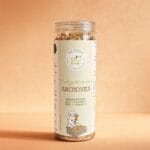
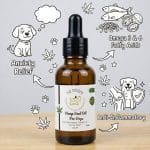
The solution isn’t to stop feeding chicken, which is a fantastic protein. The solution is to balance the fats. Adding Omega-3s from sources like Dehydrated Anchovies or anti-inflammatory Omega-6 like GLA from Hemp Seed Oil can resolve these symptoms without changing the protein source. This is a crucial distinction that can save your dog from unnecessary dietary restrictions.
From Mahiv’s Practice: “I once had a Pug in Chennai whose parents swore off chicken for his chronic dandruff and paw licking, convinced it was ‘too hot’. After an initial check-up, we kept the chicken, but added a daily dose of Hemp Seed Oil and switched his treats to Dehydrated Sardines. Within three weeks, the flakes were significantly reduced, and his paws were much calmer. It’s rarely the protein itself, but the fat balance that needs fixing.”
Top Natural Remedies for Dog Dandruff in India
When tackling dog dandruff naturally, we focus on nourishing the skin from the inside out and supporting its barrier function externally. Here are my top recommendations:
1. Omega-3 Fatty Acids (The Internal Fix)
This is non-negotiable for skin health. Omega-3s (EPA and DHA) are powerful anti-inflammatory agents. They help reduce the skin irritation that often accompanies dandruff and promote healthy cell membrane function.
- Sources: The best and safest sources are small, wild-caught fish like Dehydrated Anchovies or Dehydrated Sardines. These are low on the food chain, meaning minimal heavy metal accumulation. For plant-based Omega-3, you can use flaxseed oil, but the conversion to active EPA/DHA in dogs is poor.
- Dosage: For a 10kg dog, 1-2 small dehydrated anchovies daily, or a few drops of high-quality fish oil.
2. Hemp Seed Oil (The Anti-Inflammatory Powerhouse)
Hemp Seed Oil is a true superstar for skin conditions. It contains Gamma-Linolenic Acid (GLA), a rare Omega-6 fatty acid that acts as a powerful anti-inflammatory. Unlike typical Omega-6s, GLA helps reduce skin dryness, itching, and flaking by supporting the skin’s natural barrier.
- Why it matters: Many dogs with atopic dermatitis or chronic skin issues lack the enzyme to properly process normal fats. GLA bypasses this step, delivering direct relief.
- Dosage: Start with 0.5ml per 10kg body weight, increasing gradually if needed. Add it to your dog’s daily meal.
3. Baobab Powder (Immunity and Collagen Support)
While not a direct dandruff cure, Baobab Powder is excellent for overall skin health. It’s packed with Vitamin C (5-6x more than oranges), which is crucial for collagen synthesis. Strong collagen means more elastic, resilient skin that is less prone to flaking and damage. It also offers prebiotic fibre, which supports a healthy gut, an often-overlooked factor in skin health.
- Usage: A pinch (1/4 tsp for small dogs, 1/2 tsp for large dogs) mixed into daily meals can boost skin integrity and immunity.
4. Apple Cider Vinegar (ACV) Rinse (Topical Relief)
A diluted ACV rinse can help balance skin pH and has mild anti-fungal properties. It’s a temporary measure for relief, not a cure.
- How to use: Mix 1 part raw, unfiltered ACV with 4 parts water. After shampooing, apply the rinse, let it sit for 5 minutes, then rinse thoroughly. Avoid open wounds.
5. Aloe Vera Gel (Soothing)
Pure aloe vera gel can soothe irritated, flaky skin due to its anti-inflammatory and moisturising properties.
- How to use: Apply a small amount of pure aloe vera gel directly to affected, flaky patches. Ensure your dog doesn’t lick it excessively.
Baobab Oil for Dogs: Your Dandruff Solution
For targeted relief and healing of dry, flaky, and irritated skin, Baobab Oil for Dogs stands out as an exceptional natural remedy. Unlike heavy oils like coconut or mustard that sit on the skin’s surface and can trap heat or clog pores, Baobab Oil has a unique fatty acid profile. Its high content of Palmitic and Oleic acids allows it to absorb deeply into the epidermis, mimicking the skin’s natural lipid barrier.
This deep absorption means it heals from the inside out, addressing the root cause of dryness and inflammation. I’ve seen remarkable results in my practice:
- Quick Relief: Dries up hot spots and reduces redness in 24-48 hours.
- Long-term Healing: Can reverse alopecia and resolve hyperkeratosis (crusty nose and paw pads) within weeks.
- Anti-fungal Properties: Effective against various skin infections that often contribute to flaking and itching.
Using Baobab Oil is a direct intervention for your dog’s flaky skin, providing moisture, reducing inflammation, and supporting the skin’s natural healing process. It’s especially effective in India’s humid conditions where heavy oils can exacerbate issues.
Dietary Changes: The Foundation of Healthy Skin
No topical remedy will fully work if the diet isn’t right. Dandruff often signals a deeper nutritional imbalance. Here’s how to adjust your dog’s diet for better skin health:
- Balance Omega Fats: As discussed, this is paramount. Add Dehydrated Anchovies or Hemp Seed Oil to every meal, especially if feeding chicken.
- Prioritise Fresh, Cooked Meat: Move away from kibble, which is often high in inflammatory grains and low-quality fats. A gently home-cooked diet with appropriate calcium and phosphorus balance (using Dehydrated Chicken Feet or bone meal) is far superior. Remember, always cook the meat and de-bone after cooking.
- Limit Processed Carbs: Excessive rice, roti, or commercial biscuits (like Parle-G) contribute to inflammation and can raise stomach pH, hindering nutrient absorption. Dogs lack salivary amylase, meaning grains are hard on their system.
- Consider Novel Proteins: If allergies are suspected, an elimination diet with a novel protein like Whole Dehydrated Quail or goat can be beneficial.
| Dietary Component | Impact on Dandruff | Recommended Action |
|---|---|---|
| Commercial Chicken (Indian) | High Omega-6, inflammatory | Balance with Hemp Seed Oil or Dehydrated Anchovies |
| Kibble / Processed Carbs | Inflammatory, poor nutrient absorption | Transition to fresh, home-cooked meals |
| Fish (small) | Rich in Omega-3, anti-inflammatory | Add Dehydrated Anchovies or Dehydrated Sardines daily |
| Ghee | Healthy fat, aids digestion | Small amounts (learn more here) |
| Baobab Powder | Vitamin C, prebiotic fibre, immunity | Add 1/4 – 1/2 tsp to daily meals |
Home Grooming Tips for Dandruff Control
Beyond diet and targeted treatments, good grooming practices are essential:
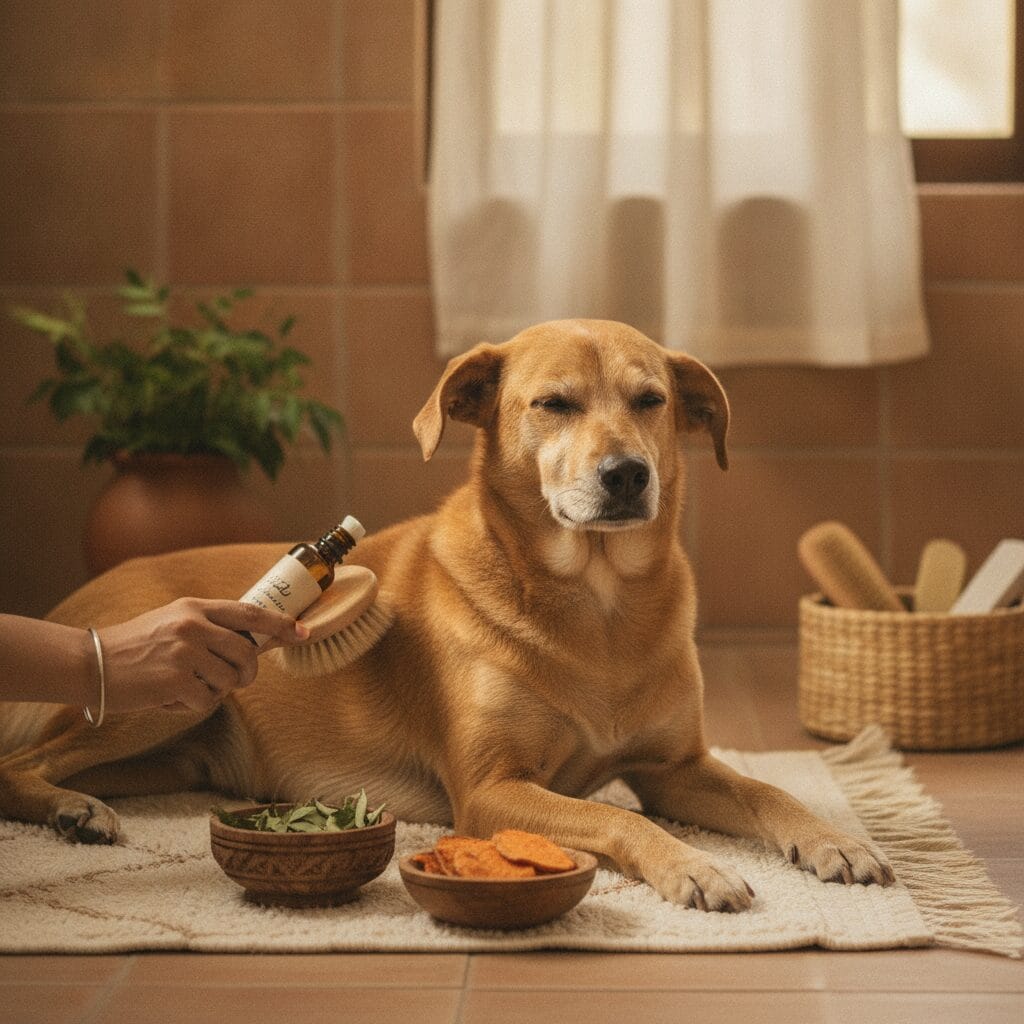
- Brush Regularly: Daily brushing, especially for long-haired breeds, helps distribute natural skin oils, remove loose hair and dead skin cells, and stimulate circulation. Use a soft bristle brush.
- Bathing Protocol:
- Use a mild, natural, pH-balanced dog shampoo. Avoid human shampoos.
- Do not over-bathe. For most dogs, once every 2-4 weeks is sufficient. Over-bathing strips essential oils.
- Ensure thorough rinsing to remove all shampoo residue, which can irritate the skin.
- Consider a Baobab Therapy Mask once a month for deep cleansing and detoxification, especially for fungal issues that can contribute to flaking.
- Moisturise After Bathing: A light application of Baobab Oil (a few drops rubbed between your palms then massaged into the coat and skin) after bathing can lock in moisture.
- Check for Parasites: Regularly inspect your dog’s coat for fleas, ticks, or any signs of mites. Early detection is key. Learn how to naturally keep ticks and fleas at bay.
Common Mistakes Indian Dog Parents Make with Dandruff
I’ve seen these errors repeatedly in my practice:
- Feeding Only Cooked Chicken and Rice: This diet, common across India, is deficient in calcium (leading to issues like “Rubber Jaw” over time) and severely imbalanced in Omega-6:3. It’s a recipe for skin problems, not health.
- Relying on Steroids/Antibiotics for Chronic Issues: While necessary for acute infections, repeated use for chronic dandruff without addressing the root cause (diet, environment) is a band-aid solution that weakens immunity.
- Using Human Shampoos or Harsh Soaps: Human skin pH is different from a dog’s. Using our products can strip their protective acid mantle, making them more susceptible to dryness and infections.
- Ignoring the Gut-Skin Connection: A compromised gut lining (due to poor diet, stress, antibiotics) can lead to ‘leaky gut’, allowing toxins to enter the bloodstream and trigger skin inflammation. Prebiotics like Baobab powder or simply feeding fresh, whole foods helps.
- Believing the ‘Heat’ Myth: As discussed, avoiding healthy proteins like chicken due to the ‘heat’ myth is misguided. The issue is usually Omega-6 inflammation, easily fixed with proper fat balance.
Addressing dog dandruff is about understanding your dog’s biology and working with it, not against it. It’s about providing species-appropriate nutrition and using targeted natural remedies that support their body’s innate healing capabilities.
For more detailed insights into canine nutrition and health, consider exploring my book, “The Desi Carnivore: The Indian Pet Parent’s Guide to Real Meat, Whole Prey, and Ancient Superfoods.”
Frequently Asked Questions about Dog Dandruff