Rampur Greyhounds, the majestic sighthounds of North India, are renowned for their speed, agility, and loyal companionship. These lean, muscular dogs, often seen guarding homesteads or accompanying hunters, have energy requirements far beyond the average pet. But what truly constitutes an optimal Rampur Greyhound feeding guide India? It’s not just about filling a bowl, it’s about fuelling a carnivore designed for performance, especially within our unique Indian context.
Quick Answer: Rampur Greyhound Feeding Guide India
For Rampur Greyhounds in India, a species-appropriate diet consists primarily of gently cooked, deboned meat (chicken, goat, fish) balanced with organ meats, a small amount of digestible carbohydrates like pumpkin, and crucial supplements for calcium, phosphorus, and Omega-3s. Prioritise hygiene for wet market meats and always ensure adequate hydration, especially in our climate.
Understanding Your Rampur Greyhound’s Carnivore Needs
Your Rampur Greyhound, despite generations of domestication, remains a carnivore at heart. Their internal biology is virtually identical to that of their wolf ancestors. This means their digestive system is designed for meat, not grains or plant matter.
Why Species-Appropriate Matters for Indian Hounds
Consider their natural prey: small game, birds, and other animals. These provide high-quality protein, essential fats, and a full spectrum of vitamins and minerals. When we feed them diets high in grains or ultra-processed kibble, we’re asking their bodies to work against their biological design.
- Stomach Acid: Dogs have incredibly acidic stomachs (pH 1-2), perfect for dissolving bone and breaking down protein, but less efficient with complex carbohydrates.
- Saliva: Unlike humans, dogs lack amylase in their saliva, meaning starch digestion begins much later in the gut, straining the pancreas.
- Intestines: Their short digestive tracts are built for rapid processing of meat, not for fermenting fibrous plant matter over long periods.
A diet aligned with their biology leads to better digestion, nutrient absorption (up to 94% digestibility with fresh food compared to ~80% with kibble), smaller, firmer stools, and sustained energy for a dog as active as a Rampur Greyhound. Learn more about what should I feed my dog for optimal health.
The “Heat” Myth and Omega-6 Inflammation
Many Indian pet parents worry about feeding “heating” foods like chicken or eggs, especially during summer. What’s often perceived as “heat” in Ayurvedic or TCM terms is, in reality, frequently an inflammatory response to an imbalanced diet.
Commercial chicken, common in India, is often fed corn and soy. This leads to an Omega-6 to Omega-3 ratio that can be as high as 20:1 or 30:1. This excessive Omega-6 floods the body with inflammatory markers, causing symptoms like:
- Paw licking and chewing
- Red, itchy skin (hot spots)
- Chronic ear infections
- Dull coat and dandruff
These are not signs of “heat” but rather systemic inflammation. By balancing the Omega-6s with a rich source of Omega-3s, such as Hemp Seed Oil or dehydrated fish, you can often alleviate these symptoms without removing essential proteins from their diet.
The Doggos Method: Cook the Meal, Dehydrate the Bone
While the biological argument for raw feeding is strong, the practicalities of raw meat hygiene in Indian homes, especially from wet markets, are a real concern. This is why I advocate for the “Cook the Meal, Dehydrate the Bone” method.
- Cook the Meat: Gently pressure-cook or boil meat to eliminate pathogens like Salmonella and E.coli, which thrive in India’s humid climate.
- Debone After Cooking: NEVER feed cooked bones. High heat makes bones brittle, causing them to shatter into dangerous, sharp splinters that can cause internal injury. This is a critical safety rule for all dog parents. If you’re unsure about bones, read our detailed guide on can dogs eat bones.
- Dehydrated Bones for Calcium: For crucial calcium and dental health, use dehydrated bones and chews. Our dehydration process (low temperature, long hours) keeps the bone porous, allowing it to crumble safely into a digestible powder, not sharp shards.
Safe Protein Sources for Rampur Greyhounds
For a powerful dog like the Rampur Greyhound, protein is paramount. Aim for variety to ensure a broad spectrum of amino acids and micronutrients.
- Chicken: A daily staple, high in protein. Always debone after cooking. Remember to balance its Omega-6 content with Omega-3s.
- Mutton (Goat): An excellent “recovery meat,” rich in iron and zinc. Ideal for active dogs, seniors, or during recovery from illnesses like tick fever.
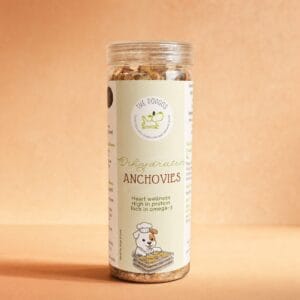
- Fish (Anchovies/Sardines): Small, short-lived fish like Dehydrated Anchovies are packed with DHA for brain health and joint support, without the heavy metal concerns of larger fish.
- Organ Meats: Liver, kidney, and heart are nutritional powerhouses, providing essential vitamins, minerals, and taurine (especially crucial for heart health in active breeds).
Essential Supplements for a Balanced Diet
Simply cooking meat is not enough for a balanced diet. Two golden rules must be followed:
- Calcium:Phosphorus Ratio (1.2:1): Meat is rich in phosphorus. Without adequate calcium, the body will leach it from the dog’s own bones, leading to severe skeletal issues over time. This is where dehydrated bones or calcium supplements come in.
- Omega-6:3 Balance: As discussed, commercial Indian chicken needs balancing. Add Omega-3s to every chicken meal to counter inflammation.
Essential Nutrients: The Role of Bone and Organ Boost in Your Rampur Greyhound’s Diet
For a lean, athletic breed like the Rampur Greyhound, ensuring a complete nutrient profile is non-negotiable. This is where Bone and Organ Boost becomes an indispensable part of their diet. It’s a carefully balanced mix of dehydrated bone and organ meats, designed to provide:
- Calcium and Phosphorus: In the ideal ratio, supporting strong bones and preventing deficiencies often seen in home-cooked diets.
- Taurine: Crucial for heart health, especially vital for active sighthounds. Organ meats like heart are naturally rich in this amino acid.
- Iron & B Vitamins: Essential for energy production and red blood cell formation, critical for a high-energy dog.
- Trace Minerals: A wide array of minerals that contribute to overall vitality, immunity, and metabolic function.
Adding a scoop of Bone and Organ Boost to your Rampur Greyhound’s daily cooked meal ensures they get the foundational nutrients they need to thrive, beyond what plain muscle meat can offer. It’s a simple, safe way to complete their diet.
In my years working with Indian breeds, I’ve seen many Rampur Greyhounds, especially those from working lines, suffer from nutrient deficiencies despite eating ‘home-cooked’ meals. Often, owners just feed chicken and rice, missing vital organ meat and bone content. I had a client in Meerut whose young Rampur was constantly lethargic and had brittle nails. We introduced Bone and Organ Boost daily and incorporated varied protein sources. Within a month, his energy levels soared, and his coat and nails showed remarkable improvement. It’s a testament to how crucial a truly balanced diet is for these powerful dogs. – Mahiv Amit Chhabra, Canine Nutritionist, The Desi Carnivore.
Rampur Greyhound Feeding Guide India: Daily Meal Plan
This is a general guideline for an adult Rampur Greyhound (typically 25-30 kg). Adjust quantities based on activity level, age, and individual metabolism. Aim for 2-3% of their ideal body weight in food daily, split into two meals.
Sample Daily Meal Plan (for a 28kg active adult Rampur Greyhound)
Total Daily Food: 560g – 840g (adjust based on activity, 2-3% of body weight)
Morning Meal:
- Cooked Protein: 250g gently cooked chicken (deboned) or goat meat.
- Organ Meat: 25g cooked chicken liver or heart (can be mixed into the main protein).
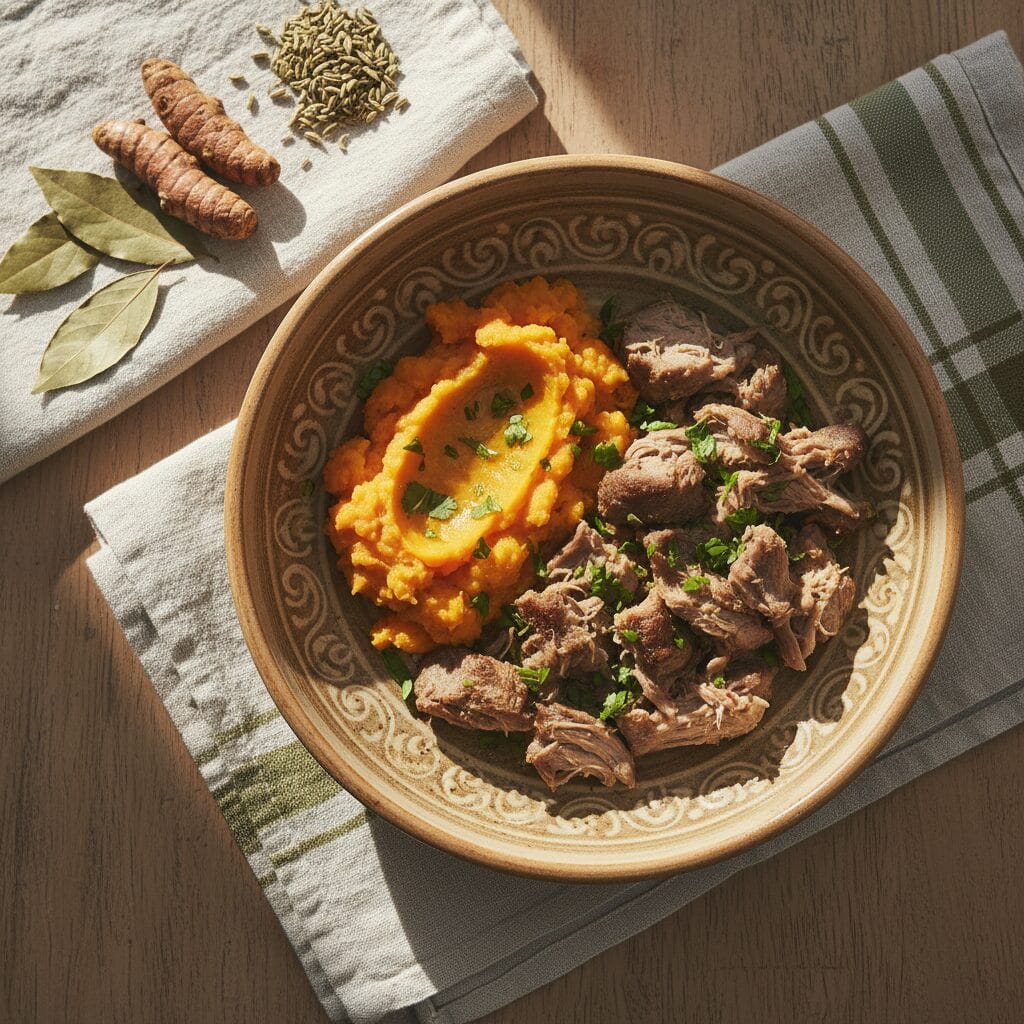
- Carbohydrate/Fibre: 50g cooked red pumpkin or sweet potato.
- Balancer: 1 scoop (approx 10g) Bone and Organ Boost.
- Omega-3 Source: 1 teaspoon Hemp Seed Oil or a pinch of Dehydrated Anchovies.
Evening Meal:
- Cooked Protein: 250g gently cooked chicken (deboned) or fish (like Bombay Duck).
- Vegetables: 50g steamed green beans or spinach (wilted in residual heat).
- Balancer: 1 scoop (approx 10g) Bone and Organ Boost.
- Omega-3 Source: 1 teaspoon Hemp Seed Oil (if not given in morning) or Dehydrated Sardines.
Preparation Notes:
- Wash all wet market meat thoroughly, perhaps with a turmeric water rinse.
- Pressure cook chicken for 2-3 whistles, goat for 4-5 whistles. Always debone after cooking.
- Mash pumpkin or sweet potato into the broth.
- Add supplements and oils after the food has cooled to preserve nutrient integrity.
- Always provide fresh, clean water. Rampur Greyhounds are prone to dehydration, especially in Indian summers.
Common Feeding Mistakes Indian Pet Parents Make
Despite the best intentions, many Indian dog parents unknowingly make dietary choices that can harm their Rampur Greyhounds in the long run.
- Feeding Cooked Bones: This is the biggest and most dangerous mistake. As discussed, cooked bones splinter. Stick to raw recreational bones (under supervision) or, safer for Indian homes, dehydrated chews like Dehydrated Mutton Trotters for dental health and calcium.
- Excessive Rice or Roti: While a small amount of rice or roti might seem harmless, making it the bulk of the diet is detrimental. It’s high in carbohydrates, low in essential nutrients for a carnivore, and can lead to weight gain, digestive upset, and elevated stomach pH.
- Ignoring Calcium:Phosphorus Balance: A diet of only muscle meat and rice will inevitably lead to a calcium deficiency. Over years, this can cause serious skeletal problems like osteopenia or “Rubber Jaw” syndrome. This is why supplements like Bone and Organ Boost are crucial.
- Believing the “Heat” Myth: Avoiding chicken or eggs due to perceived “heat” often deprives dogs of excellent protein sources. The issue is usually Omega-6 inflammation, not thermal heat, which can be easily resolved by balancing fats.
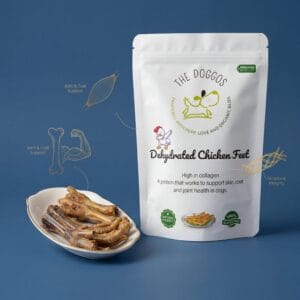
- Treating Dehydrated Chews as Just Treats: Products like Dehydrated Chicken Feet are not just snacks; they are functional foods providing glucosamine for joints and acting as natural toothbrushes. Incorporate them strategically.
Frequently Asked Questions
Give Your Rampur Greyhound the Best with The Doggos
Your Rampur Greyhound is a magnificent companion, deserving of a diet that honours their lineage and supports their active lifestyle. Moving beyond generic kibble and unbalanced home meals to a species-appropriate, carefully balanced diet can dramatically improve their health, vitality, and longevity.
By focusing on gently cooked, deboned meats, incorporating essential organ nutrients, and ensuring the critical calcium-phosphorus ratio, you can provide the foundational nutrition your Rampur needs. Our Bone and Organ Boost is specifically formulated to bridge these nutritional gaps, offering a convenient and safe way to ensure your loyal sighthound receives all the vital elements for strong bones, a healthy heart, and endless energy. Explore our range of dehydrated dog treats and supplements to truly complete your Rampur Greyhound’s diet.