Seeing your beloved dog unwell, especially with an upset stomach, can be incredibly distressing. In many Indian homes, the go-to comfort food for a human or pet feeling under the weather is khichdi. It feels natural, comforting, and easily digestible. But is plain khichdi truly a complete and sick dogs safe Indian recipe for recovery, or are we missing something vital?
Yes, a modified khichdi can be a safe and soothing sick dogs safe Indian recipe for an upset stomach, but plain rice and dal khichdi is nutritionally incomplete for a recovering carnivore. To ensure proper healing and strength, you must add a source of highly digestible protein and crucial micronutrients. I always recommend fortifying it with something like our Bone and Organ Boost to provide the essential taurine, iron, and minerals needed for a full recovery.
Why Khichdi is a Go-To for Upset Stomachs (and Its Limitations)
Khichdi, traditionally made with rice and dal, is celebrated for its blandness and easy digestibility. For a dog with a sensitive stomach, vomiting, or diarrhoea, bland foods are crucial. They allow the digestive system to rest and recover without being overloaded by rich fats or complex ingredients.
- Easy on the Gut: The soft, mushy texture and simple carbohydrates are gentle.
- Hydrating: Cooked with plenty of water, it helps with hydration, especially important during episodes of vomiting or diarrhoea.
- Familiar Comfort: For many Indian dogs, the smell and taste are comforting, encouraging them to eat when appetite is low.
However, the traditional recipe, often just rice and dal, falls short for a carnivore’s recovery. Dogs are biologically designed to thrive on meat. While rice offers easy energy, it lacks the complete amino acid profile, fats, and micronutrients essential for rebuilding tissues, replenishing electrolytes, and boosting immunity during illness.
In my practice, I’ve seen countless dogs, from playful Indies in Bengaluru to senior Labradors in Delhi, brought in after bouts of tick fever or pancreatitis. Their well-meaning parents would often feed plain khichdi for days, wondering why their dog remained lethargic. Adding a concentrated source of protein and organ meats, even a small amount, often kick-started their appetite and recovery within 24-48 hours. It’s not just about blandness, it’s about dense nutrition.
The Desi Carnivore’s Khichdi: What to Include and Exclude
To make khichdi a truly effective sick dogs safe Indian recipe, we need to adapt it for their carnivorous needs while keeping it gentle.
The Right Base: Rice and Dal
- Rice: Opt for white rice (like sona masuri or basmati) over brown. White rice is lower in fibre, making it easier to digest for an inflamed gut.
- Dal: Moong dal (split yellow lentils) is the most digestible and least gas-producing option. Avoid heavier dals like chana dal or rajma during illness.
Essential Additions for Recovery
- Cooked Meat: This is non-negotiable. Gently cooked, boneless chicken (pressure cooked for 2-3 whistles) or lean mutton is ideal. It provides the essential amino acids a recovering body desperately needs. Remember, always debone after cooking to prevent splintering.
- Pumpkin: A small amount of pureed or mashed pumpkin (not pumpkin pie filling) is excellent. It’s rich in soluble fibre, which helps firm up loose stools and soothes the digestive tract.
- Turmeric: A pinch of turmeric powder, a powerful anti-inflammatory, can be beneficial.
- Probiotics: A teaspoon of plain dahi (curd) can introduce beneficial gut bacteria once vomiting has stopped, but introduce it slowly to test for lactose intolerance. Read more about can dogs eat curd here.
What to Exclude Strictly
- Spices: No chilli, garam masala, ginger, garlic, or onions. These are stomach irritants and potentially toxic for dogs.
- Oil/Ghee: Keep it minimal or avoid entirely during acute phases of illness. A tiny bit of ghee can be added once the dog is recovering and tolerating food well.
- Cooked Bones: As always, **NEVER feed cooked bones**. They become brittle and can cause fatal internal damage.
The Protein and Micronutrient Gap in Plain Khichdi
While plain khichdi might stop diarrhoea temporarily, it won’t truly heal or rebuild your dog’s strength. Dogs need a robust supply of protein, vitamins, and minerals, especially when their body is under stress from illness or recovery.
- Taurine: Crucial for heart health, especially in breeds prone to Dilated Cardiomyopathy. Organ meats are rich in taurine.
- Iron: Essential for red blood cell production, vital for recovery from anaemia (common after tick fever).
- B Vitamins: Support energy metabolism and nerve function.
- Calcium & Phosphorus: Even in illness, the 1.2:1 Calcium:Phosphorus ratio is important for bone health, preventing the body from leaching calcium from its own reserves.
Without these, your dog’s recovery will be slow, and they may remain weak and lethargic long after the initial symptoms subside. This is why simply feeding a bland diet isn’t enough; it needs to be nutritionally complete for a carnivore.
Bone and Organ Boost: The Missing Link for Sick Dogs
This is where our Bone and Organ Boost becomes an indispensable part of any sick dogs safe Indian recipe. It’s not just a supplement; it’s concentrated nutrition designed to bridge the gap in home-cooked recovery meals.
Our Bone and Organ Boost is a carefully formulated blend of dehydrated organ meats and bone meal. Organs like liver and heart are powerhouse sources of taurine, iron, B vitamins, and essential trace minerals. The bone meal provides a natural, balanced source of calcium and phosphorus, critical for maintaining skeletal health during recovery when appetite for whole bones might be low.
- Bioavailable Nutrients: The dehydration process preserves the integrity of these vital nutrients, making them highly absorbable.
- Easy to Administer: Simply sprinkle the powder into your dog’s khichdi after it has cooled. No extra cooking, no hassle.
- Targets Specific Needs: Directly addresses the deficiencies often found in bland, home-cooked diets for sick dogs, promoting faster and stronger recovery.
For Mahiv Amit Chhabra, a certified canine nutritionist and author of “The Desi Carnivore,” this product embodies the brand’s philosophy: providing biologically appropriate nutrition safely and conveniently for Indian pet parents. You can learn more about my approach to canine nutrition on my About Mahiv Chhabra page.
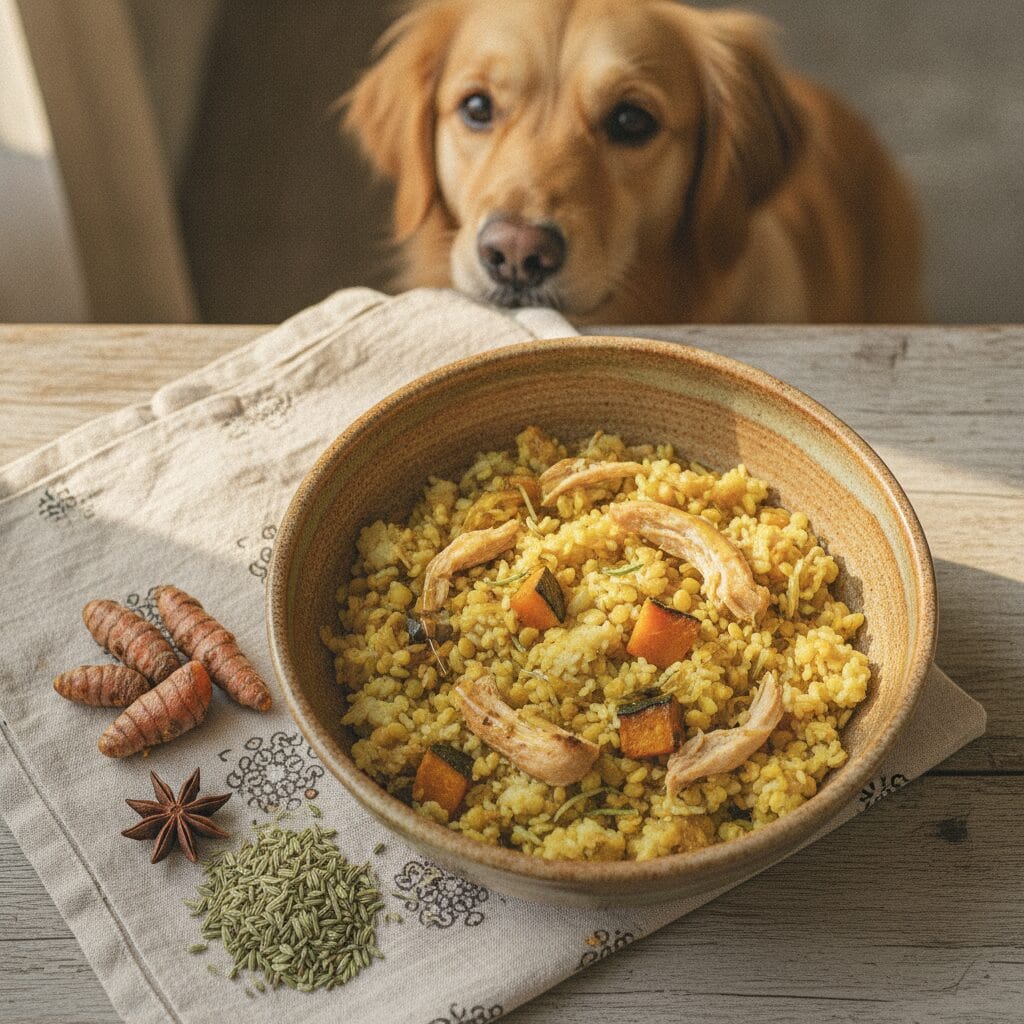
The Desi Carnivore’s Recovery Khichdi Recipe
Here’s a simple, nourishing khichdi recipe designed to be a truly sick dogs safe Indian recipe for recovery.
Ingredients:
- 1 cup white rice
- 1/2 cup moong dal
- 250g boneless chicken thighs (skin on for taurine), or lean mutton
- 1/4 cup pureed red pumpkin (steamed or boiled)
- Pinch of turmeric (optional)
- Water (approx. 6-8 cups, or enough to make it very mushy)
- 1-2 teaspoons Bone and Organ Boost (dosage depends on dog’s weight, see table below)
Instructions:
- Wash rice and moong dal thoroughly.
- Place chicken (or mutton), rice, dal, pumpkin, and turmeric (if using) in a pressure cooker.
- Add 6-8 cups of water. The goal is a very soft, mushy consistency.
- Pressure cook for 3-4 whistles (or until chicken is extremely tender and bones separate easily).
- Allow the pressure to release naturally.
- Carefully remove all bones from the cooked chicken. This is crucial. Mash the chicken and pumpkin into the rice and dal mixture.
- Let the khichdi cool completely before serving.
- Once cooled, stir in the Bone and Organ Boost according to your dog’s weight.
Feeding Guide for Recovery Khichdi (Daily)
| Dog’s Weight | Khichdi Portion (cups) | Bone and Organ Boost (tsp) |
|---|---|---|
| Up to 5 kg | 1 cup | 1/2 tsp |
| 5-15 kg | 1.5 – 2 cups | 1 tsp |
| 15-30 kg | 2.5 – 3.5 cups | 1.5 tsp |
| Over 30 kg | 4+ cups | 2 tsp |
Note: Start with small, frequent meals (3-4 times a day) and gradually increase the portion as your dog’s appetite improves. Always ensure fresh water is available.
Common Mistakes Indian Dog Parents Make During Illness
Even with the best intentions, certain practices can hinder your dog’s recovery.
- Feeding Only Rice and Dal: This is the biggest mistake. While bland, it lacks the protein and essential minerals a carnivore needs to heal. It’s a survival meal, not a thriving meal.
- Adding Spices: Even a tiny amount of ginger or garlic, common in Indian cooking, can upset an already sensitive stomach or be toxic. Stick to bland.
- Giving Cooked Bones: This cannot be stressed enough. Cooked bones are brittle and dangerous. If you’re cooking bone-in meat, always debone thoroughly before feeding. For safe bone nutrition, opt for dehydrated bones.
- Stopping Medication Too Soon: Always follow your vet’s instructions regarding medication duration, even if your dog seems better.
- Reintroducing Regular Food Too Quickly: Gradually transition back to their normal diet (ideally a balanced homemade dog food recipe) over several days to avoid a relapse.
FAQ: Sick Dogs and Indian Recipes
Can I give my dog plain rice for an upset stomach?
Plain white rice can be given for an upset stomach as a temporary bland food, but it lacks the protein and nutrients essential for long-term recovery. It should always be combined with a lean protein source like cooked chicken and supplemented with vital minerals.
What vegetables are safe for a sick dog?
For a sick dog, bland, easily digestible vegetables like pureed red pumpkin or steamed green beans are generally safe. Avoid cruciferous vegetables (cabbage, broccoli) or those high in fibre during acute stomach upset.
How long should I feed my dog a bland diet?
Typically, a bland diet should be fed for 3-5 days after symptoms resolve. Gradually reintroduce your dog’s regular, balanced diet over several days, observing for any return of symptoms. If symptoms persist beyond 24-48 hours, consult your vet.
What are the signs my dog is recovering from an upset stomach?
Signs of recovery include a return to normal appetite, firmer and less frequent stools, no vomiting, increased energy levels, and general alertness. Always monitor your dog closely.
Can I feed my dog chicken soup for an upset stomach?
Homemade chicken soup, made without spices, onions, or garlic, can be a good option for a sick dog. Ensure it contains shredded, boneless chicken for protein and is given in small, frequent amounts. Consider fortifying it with Bone and Organ Boost for added nutrition.
Nourish Their Recovery, The Desi Carnivore Way
An upset stomach is a challenging time for any dog parent. While khichdi offers comfort, it needs a nutritional boost to become a truly effective sick dogs safe Indian recipe for recovery. By adding lean, cooked protein and vital micronutrients, you ensure your dog gets the complete support they need to bounce back stronger.
Our Bone and Organ Boost is specifically designed to provide those essential elements, making your homemade recovery meals truly therapeutic. It’s the simple, safe way to ensure your dog isn’t just surviving bland food, but thriving towards full health. Explore our range of dehydrated dog treats and supplements for more natural solutions.