
Seeing your beloved cat struggle with kidney disease is heartbreaking, especially when navigating diet advice in India. A natural low-phosphorus cat kidney diet in India focuses on gently cooked, high-quality proteins like boneless chicken, egg whites, and vital Omega-3s. This approach minimises phosphorus, supports kidney function, reduces inflammation, and offers a species-appropriate, effective alternative to highly processed commercial renal diets.
Understanding Kidney Disease in Cats and Dogs: Why Phosphorus and Protein Matter
Your cat’s kidneys do a lot. They filter waste from the blood, keep blood pressure steady, and even make hormones. When they start to falter, they can’t clear out toxins, including phosphorus, as efficiently. This builds up in the blood, a condition known as hyperphosphatemia, which actively worsens kidney damage. High phosphorus isn’t just a sign of kidney disease. It actively damages kidney tissue further and can even pull calcium from your cat’s bones, leaving them brittle. That’s why controlling dietary phosphorus is so critical for managing feline kidney disease.
For dogs with similar concerns, the principles of a homemade low-phosphorus diet are strikingly similar. Both species benefit from digestible proteins and controlled mineral intake, though cats, as obligate carnivores, have stricter protein requirements. The challenge in India is often sourcing quality ingredients and understanding safe preparation methods that avoid bacterial contamination. This is precisely why our ‘Cook the Meal, Dehydrate the Bone’ philosophy applies equally to both. Dogs, like cats, can suffer from hyperphosphatemia, making phosphorus restriction a cornerstone of kidney disease management across species.
Protein is also a double-edged sword. While essential for muscle, immunity, and overall vitality, meat is also a main source of phosphorus. The key isn’t to cut protein drastically, which leads to muscle wasting and decline, but to focus on highly digestible, high-quality proteins that produce less metabolic waste for struggling kidneys. This approach also benefits cats with liver disease, where reducing the burden on the liver through easily processed nutrients is paramount. Remember, cats are obligate carnivores, so protein is non-negotiable.
In India, where getting hold of specialised prescription foods can be hit-or-miss, or just plain expensive, understanding the science behind a low-phosphorus diet puts you in control. You can make informed, natural choices for your cat.
The Obligate Carnivore’s Diet: Low-Carb and High-Quality Protein
Cats are obligate carnivores. Their bodies are built for meat, not grains or starches. This biological reality is especially critical when managing health conditions like kidney disease, liver disease, or diabetes. A natural, meat-based diet is inherently low-carb, which is excellent for managing blood sugar levels in diabetic cats. High-carb diets found in many commercial kibbles force a cat’s pancreas to work overtime, leading to insulin resistance over time. Unlike humans or even dogs, cats have no amylase in their saliva, meaning they cannot even begin to break down carbohydrates until it hits their stomach, straining their digestive system.
So, what’s the answer? It’s about focusing on highly digestible proteins. Proteins your cat’s body can actually use, producing less waste for those struggling kidneys and liver. Steer clear of plant-based proteins like peas, lentils, or soy. You see them in commercial kibbles. Cats can’t digest them well, and they don’t offer the complete amino acid profile a carnivore needs. These fillers also increase the carbohydrate load, making them unsuitable for managing feline diabetes.
From Mahiv’s Practice: I remember a beautiful Persian cat in Chennai. Her kidney values were climbing, even on a prescription kibble. Her family was beside themselves. We switched her to a gently cooked diet of boneless chicken and a little egg white, carefully measured for phosphorus. We added daily Dehydrated Anchovies (2-3 crumbled pieces) and a taurine supplement. Within three months, her creatinine stabilised from 2.8 to 1.9. She was playing again. It was a stark reminder that real food, balanced correctly, often holds the key to managing multiple conditions like kidney disease and preventing diabetes, all in one bowl. You can learn more about my approach on my author page.
The Hygiene Gap: Why Raw Feeding is Not for Indian Homes
While the concept of raw feeding aligns with a carnivore’s biology, the practicalities in India are different. Indian wet markets, especially in humid climates like Mumbai or Kolkata, are hotbeds for bacteria like Salmonella and E.coli. Bringing raw meat directly from these markets into your home poses a significant cross-contamination risk. Even though a cat’s stomach acid (pH 1-2) is strong, the risk to your family from handling and preparing raw meat is simply too high. This is why The Doggos advocates for our ‘Cook the Meal, Dehydrate the Bone’ philosophy. We prioritise safety without compromising nutrition. This applies equally to dogs and cats in the Indian household context, ensuring both safety and species-appropriate nutrition. You can learn more about the safety of raw food diets in India.
Safe Protein Sources for a Low-Phosphorus Cat Kidney Diet in India
Picking the right proteins is everything. Here are some excellent choices for your kidney-compromised cat, keeping phosphorus levels in mind:
Egg Whites: A brilliant protein source. Virtually phosphorus-free. Gently scrambled or boiled egg whites can form a cornerstone of a kidney-friendly diet.
Boneless Chicken or Quail Breast: Lean, gently cooked chicken or quail breast. It gives you high-quality protein. Always pressure cook the meat thoroughly to kill pathogens, especially if you’re sourcing from local Indian markets. And this is crucial: DEBONE the chicken AFTER cooking. Cooked bones turn brittle. They shatter into sharp shards, causing fatal internal injuries. This is a non-negotiable safety rule for any home-cooked diet, for both cats and dogs. Learn more about bones safety guide.
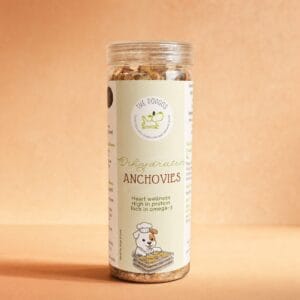
Small Fish (like Anchovies and Sardines): These are fantastic. They offer high-quality protein, are generally lower in phosphorus than red meat, and deliver vital Omega-3 fatty acids. Most cats find them incredibly palatable. Dehydrated Anchovies and Dehydrated Sardines are excellent options for a natural low-phosphorus cat kidney diet in India.
Organ Meats (in moderation): Essential for taurine and other nutrients, yes. But organs like liver and heart are higher in phosphorus. Use them in very small, measured amounts – maybe 5% of the total protein. Or use a specific supplement. For a concentrated hit of taurine and other vital nutrients, a tiny pinch of Bone and Organ Boost can work. But always monitor phosphorus intake carefully with your vet.
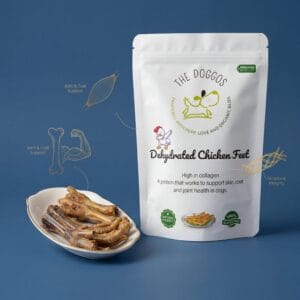
Avoid: High-phosphorus bone broths, bone meal, and any bone-in meats. Even raw bones, while biologically appropriate for healthy dogs, carry hygiene risks in Indian homes. And they’re just too high in phosphorus for kidney cats. For safe and functional dehydrated dog treats, consider options like Chicken Feet which are processed for safety, but not suitable for a low-phosphorus cat kidney diet.
Phosphorus Content Comparison in Common Cat Proteins (per 100g cooked)
Understanding the phosphorus content of different protein sources is key to managing a kidney diet effectively:
| Protein Source | Phosphorus (mg) | Notes |
|---|---|---|
| Egg Whites | ~5 mg | Excellent, virtually phosphorus-free |
| Chicken Breast (boneless, skinless) | ~220 mg | Good, lean, high quality, easily digestible |
| Whole Quail (boneless) | ~250 mg | Novel protein, good option for sensitive cats |
| Dehydrated Anchovies (dry) | ~300 mg | High Omega-3s, good protein, use as a supplement |
| Dehydrated Bombay Duck (dry) | ~250 mg | Novel protein, excellent for fish-loving cats |
| Chicken Liver | ~350 mg | High taurine, but high phosphorus, use very sparingly |
| Goat Meat (boneless) | ~250 mg | Good iron, but watch phosphorus content carefully |
Key Numbers: For cats with early to moderate kidney disease, aim for a phosphorus content of approximately 0.3-0.5% on a dry matter basis in their diet. Always confirm specific targets with your veterinary nutritionist.
The Power of Omega-3s: Fighting Inflammation and Supporting Kidneys
Chronic inflammation is a silent saboteur in kidney disease. It drives its progression. Omega-3 fatty acids, specifically EPA and DHA, are potent natural anti-inflammatories. They help shield kidney cells, reduce oxidative stress, and improve overall kidney function. This anti-inflammatory action is also beneficial for liver health and can help manage metabolic inflammation often seen in diabetic pets.
The problem? Most commercial Indian chicken is corn and soy fed. This pushes the Omega-6:3 ratio to 20:1 or worse. That’s not a number, that’s an itch. This imbalance can crank up inflammation in already compromised kidneys. Supplementing with Omega-3s is therefore crucial.
While Hemp Seed Oil offers beneficial GLA (an anti-inflammatory Omega-6), for cats, direct sources of EPA and DHA from fish are usually preferred and more potent for kidney support. This is also a major reason why many Indian pet parents see ‘heat’ rashes or itching in their pets after feeding chicken; it’s often an Omega-6 inflammatory spike, not thermal heat. Balancing fats with cooling Hemp or fish resolves it without needing to stop the protein.
Introducing The Doggos Dehydrated Anchovies: A Kidney-Friendly Superfood
This is where The Doggos Dehydrated Anchovies become an invaluable part of your cat’s kidney diet. Here’s why The Doggos Dehydrated Anchovies are so vital:
Rich in EPA and DHA: The Doggos Dehydrated Anchovies are packed with the Omega-3s essential for reducing inflammation and supporting kidney health. These fats are also crucial for brain development in kittens and cognitive function in senior cats.
Low on the Food Chain: Being small, short-lived fish, anchovies have minimal bioaccumulation of heavy metals like mercury. This makes them a safer choice than larger, longer-lived fish like tuna, which can carry higher toxin loads.
Palatable and Convenient: Most cats adore the taste of fish. Our dehydrated anchovies are odour-controlled, making them easy to handle in Indian homes. They can be easily crumbled over food or offered as a daily treat. It’s simple to add vital nutrients without fuss, which is crucial when appetite is low due to kidney issues. The Doggos Dehydrated Anchovies are a big change for picky eaters.
Good Protein, Controlled Phosphorus: While The Doggos Dehydrated Anchovies do contain phosphorus, it’s generally lower than in many red meats or bone-in poultry. This allows for careful inclusion in a low-phosphorus plan as a valuable supplement, rather than a primary protein source. They are an excellent addition to any natural low-phosphorus cat kidney diet in India.
Adding a few The Doggos Dehydrated Anchovies to your cat’s daily meal not only provides essential fatty acids but also a flavour boost that can encourage appetite, a common issue with kidney disease. They are truly a functional treat and a nutritional balancer for your feline friend, helping you create a complete cat treats regimen.
Taurine: The Non-Negotiable Nutrient for Feline Health
Cats can’t make taurine. This amino acid is crucial for their heart, eyes, and, yes, kidneys. It must come from their diet. Cooking meat can reduce taurine levels. So, if you’re feeding a home-cooked diet, ensuring adequate taurine is vital. Organ meats are rich in taurine, but their phosphorus content needs careful management for kidney cats.
A vet-prescribed taurine supplement is often recommended for cats with kidney disease on a homemade diet. It ensures they get enough of this critical nutrient without overloading on phosphorus. You can also use a tiny pinch of Bone and Organ Boost, which is rich in taurine, but always factor in its phosphorus contribution and consult your vet. This is especially important for cats, as taurine deficiency can lead to serious conditions like dilated cardiomyopathy, which can further stress a compromised system.
Practical Section: Crafting a Kidney-Friendly Cat Bowl
Here’s a guideline for building a natural low-phosphorus cat kidney diet bowl, keeping in mind the needs of cats with liver or diabetes concerns:
Protein Base (70-80%): Use gently pressure-cooked, deboned chicken breast or egg whites. For a 3-4 kg cat, this might be 50-70g of cooked protein per day, split into 2-3 meals. Always ensure it’s boneless after cooking. This high-quality, digestible protein is also ideal for liver support and naturally low-carb for diabetic cats.
Hydration (10-15%): Add some water or low-sodium, non-bone broth to the meal. Cats with kidney disease need extra hydration. Fresh food is already 70% water, but adding more helps. This also aids nutrient absorption for liver health. Consider a water fountain to encourage drinking.
Healthy Fats & Omega-3s: Sprinkle 2-3 crumbled Dehydrated Anchovies over each meal. This provides vital Omega-3s and can tempt a finicky eater. These fats are crucial for reducing inflammation across all organ systems.
Fibre (Optional, 5-10%): A tiny amount of pureed red pumpkin or steamed green beans can provide fibre to aid digestion and nutrient absorption. Start with a quarter teaspoon and observe your cat. This helps regulate gut health without adding unnecessary carbs.
Taurine Supplement: Consult your vet about a suitable taurine supplement to add to the meal, especially if you’re cooking all the meat.
Phosphorus Binder (Vet Prescribed): Your vet might recommend a phosphorus binder to be given with meals to reduce phosphorus absorption. This is a crucial part of medical management for kidney disease.
Always introduce new foods slowly over 7-10 days to avoid upsetting your cat’s stomach. Monitor their appetite, energy levels, and litter box habits closely. Our certified canine nutritionist, Mahiv Amit Chhabra, advocates for this gradual transition. Expect some mucus in stool around Day 3-4, which is normal as the gut sheds its old lining. A pinch of Baobab powder can help settle the gut during this period.
Common Mistakes Indian Cat Parents Make with Kidney Diets
Navigating kidney disease, liver issues, or diabetes can be challenging. It’s easy to fall into common traps:
Solely relying on commercial kibble: While prescription kibbles exist, they are often filled with fillers and low-quality ingredients that don’t truly nourish an obligate carnivore. Many cats refuse to eat them. Their high carbohydrate content is also detrimental for diabetic cats and can put a strain on kidneys and liver. The digestibility of kibble is around 80%, compared to 90-94% for fresh food, meaning more waste for struggling organs, exacerbating kidney and liver stress.
Giving milk or dairy: Many Indian households offer milk to cats. But most adult cats are lactose intolerant, and dairy products are high in phosphorus, making them unsuitable for kidney cats and potentially irritating to the gut.
Feeding cooked bones: As mentioned, cooked bones are extremely dangerous for cats (and dogs), regardless of kidney health. They splinter into sharp shards. Always de-bone after cooking. This is a core tenet of The Doggos’ ‘Cook the Meal, Dehydrate the Bone’ philosophy, prioritising safety for all pets. For safe and beneficial chewing, consider safe dog chews like dehydrated options, though these are typically for dogs and not suitable for a low-phosphorus cat kidney diet.
Ignoring hydration: Cats are notoriously poor drinkers. Fresh food with added water is far superior to dry kibble for kidney health, liver function, and overall vitality. Fresh food is typically 70% water, compared to kibble’s 10%, which significantly benefits kidney function and helps flush toxins from the body.
Not balancing Omega-6:3: Believing chicken causes ‘heat’ and avoiding it. The perceived ‘heat’ is often an Omega-6 inflammatory response from corn and soy-fed poultry. Balancing fats with high-quality Omega-3s, like those in The Doggos Dehydrated Anchovies, can resolve this without needing to stop feeding beneficial protein.
Over-supplementing without veterinary guidance: While natural supplements are good, too much of a good thing can be harmful, especially with compromised organs. Always consult your vet before adding new supplements, particularly phosphorus binders or other medications, to ensure they complement your cat’s specific health needs.
By avoiding these common pitfalls and focusing on a natural, species-appropriate diet, you can significantly improve your cat’s quality of life and support their organ health. Incorporating The Doggos Dehydrated Anchovies is a simple yet powerful step towards this goal, providing crucial Omega-3s and palatable nutrition for your feline friend. For more natural and effective solutions, explore our range of natural pet products.