Sabudana, or tapioca pearls. It’s a staple in many Indian homes, especially during fasting periods. Sabudana khichdi, kheer. Comfort food. But for our dogs? The question, can dogs eat sabudana India, needs a clear answer. I’m a canine nutritionist. Sabudana isn’t toxic. But it offers very little for a carnivore’s diet. Approach with extreme caution. If fed at all.
Quick Answer: Is Sabudana Safe for Dogs?
Dogs can technically eat thoroughly cooked sabudana. In very small, infrequent amounts. But it offers almost no nutritional benefit. It’s primarily starch. It can disrupt a carnivore’s digestion. Their bodies aren’t designed to process high carbohydrates efficiently. This leads to potential gut upset. Or long-term health issues. It’s far better to focus on a meat-rich diet. Balanced with essential nutrients. Like the Hemp Meal Balancer.
The Carnivore Conundrum: Why Starch Isn’t Dog Food
Our dogs are carnivores. Plain and simple. They’ve lived with us for thousands of years. Scavenged our scraps. But their internal biology? It’s still 99.9% wolf. Their digestive system is optimised for meat. Not grains or starches like sabudana.
- No Salivary Amylase: Humans have amylase in their saliva. It starts carbohydrate digestion in the mouth. Dogs don’t. For them, sabudana hits their stomach effectively ‘whole’. It puts a strain on their pancreas. It has to produce digestive enzymes.
- Acidic Stomach pH: A dog’s stomach is highly acidic. A pH of 1-2. Perfect for breaking down raw meat and bone. Killing bacteria. High-carb diets can raise stomach pH. Make it less acidic. Hinder proper digestion. Pathogen defence suffers.
- Short Intestinal Tract: Dogs have a relatively short intestinal tract. Designed for fast processing of protein and fat. Not for fermenting complex carbohydrates. Starches pass through quickly. Often causing bloating. Gas. Loose stools.
Think about it. When did you last see a wolf in the wild foraging for tapioca pearls? Never. Their bodies are built for protein and fat. That’s why a diet based on cooked meat and dehydrated bones is the foundation. Of The Desi Carnivore method.
Sabudana’s Nutritional Profile: Empty Calories
Let’s look at what sabudana actually provides. It’s pure starch. From cassava root. It’s gluten-free. A source of quick energy for humans. But for dogs? Its nutritional value is negligible.
| Nutrient (per 100g cooked) | Sabudana (Tapioca) | Chicken Thigh (Cooked) |
|---|---|---|
| Calories | ~160 kcal | ~215 kcal |
| Protein | ~0.2 g | ~26 g |
| Fat | ~0.02 g | ~15 g |
| Carbohydrates | ~40 g | ~0 g |
| Fibre | ~0 g | ~0 g |
| Calcium | ~10 mg | ~12 mg |
| Phosphorus | ~10 mg | ~200 mg |
As you can see. Sabudana offers almost no protein. No fat. No essential vitamins and minerals. That a dog needs to thrive. It’s simply a filler. And a challenging one for their digestive system.
The Risks of Feeding Sabudana to Your Dog
A tiny, occasional amount might not cause immediate harm. But regularly feeding sabudana? It carries several risks:
- Digestive Upset: Bloating, gas, diarrhoea, constipation. Common side effects. Due to the high starch content. And a dog’s inability to digest it properly.
- Nutritional Deficiencies: If sabudana replaces meat in the diet. Your dog will quickly become deficient. In vital proteins, fats, and micronutrients. This can lead to serious health issues. Over time. Muscle wasting. Poor coat health. Weakened immunity.
- Weight Gain: Sabudana is calorie-dense. Without adequate exercise. Feeding too much can quickly lead to unhealthy weight gain. Putting strain on joints and organs.
- Blood Sugar Spikes: The high glycemic index of sabudana. Can cause rapid spikes in blood sugar. This is concerning for diabetic dogs. Or those prone to metabolic issues.
- Pancreatic Strain: The pancreas has to work overtime. To produce amylase. To break down the starch. This can lead to pancreatitis. In susceptible dogs. Over time.
When Might Sabudana Be Considered (and How to Prepare It Safely)
I generally advise against sabudana. However. In extremely rare, short-term situations. Such as a temporary bland diet. For a dog recovering from very mild stomach upset. Where rice is also poorly tolerated. A minuscule amount might be considered. This must be under strict veterinary guidance. Only for a day or two.
My Protocol for Minimal Sabudana Use:
- Thoroughly Cooked: Sabudana must be boiled. Until completely translucent and soft. Never feed it raw or undercooked. It contains cyanogenic glycosides. They are toxic.
- Mashed to a Paste: After cooking. Mash it thoroughly. Into a smooth paste. This pre-digests some of the starch. Makes it slightly easier on the digestive system.
- Minimal Quantity: We’re talking about a teaspoon for a small dog. Or a tablespoon for a large dog. Mixed into a larger portion of plain, cooked, deboned chicken. This is not a meal on its own.
- Never a Staple: This is a desperate, short-term measure. Not a regular addition to any diet.
- Observe Closely: Monitor your dog. For any signs of digestive distress. Like gas, bloating, or changes in stool. Discontinue immediately. If any adverse reactions occur.
For more balanced homemade options. Consider my homemade dog food recipes for India. They focus on species-appropriate nutrition.
From Mahiv’s Practice: I once had a client in Bengaluru. During Navratri, she started adding sabudana khichdi to her Indie dog’s diet. She thought it was a ‘light’ fasting food. Within three days, the dog developed severe gas. And loose, mucus-filled stools. We immediately stopped the sabudana. Put her on a simple cooked chicken and pumpkin diet. Supplemented with a pinch of Baobab powder for gut support. Her digestion returned to normal within 48 hours. It’s a classic example. How even well-meaning additions can disrupt a carnivore’s delicate balance.
Balancing the Bowl: Why Hemp Meal Balancer is Essential
If you’re considering adding anything other than whole meats and appropriate vegetables to your dog’s bowl. It’s crucial to understand how to maintain nutritional balance. This is especially true if you’re tempted by starches or grains. They throw off the delicate equilibrium of a carnivore’s diet.
This is where our Hemp Meal Balancer truly shines. It’s designed to fix the amino acid and fat profile of home-cooked meals. Turning a simple ‘survival meal’ (like boneless chicken and a tiny bit of pumpkin, or if you must, a minuscule amount of sabudana) into a ‘thriving meal’. It provides:
- Complete Amino Acids: Ensures your dog gets all essential building blocks. For muscle, organ, and immune health. These are often lacking when meat portions are reduced. Or diluted with starch.
- Balanced Fats: Contains Omega-3 and Omega-6. In an ideal ratio. Combating the inflammatory effects of commercial chicken. Which is often high in Omega-6. This is vital for skin, coat, and joint health.
- Prebiotic Fibre: Supports a healthy gut microbiome. Crucial for digestion and nutrient absorption. Especially if their gut has been stressed by inappropriate foods.
Adding a scoop of Hemp Meal Balancer to your dog’s daily meal. Ensures that even if their diet isn’t perfectly varied every day. They are still receiving the fundamental nutrients. Their carnivorous bodies demand. It’s your insurance policy. Against the hidden deficiencies of unbalanced home cooking.
Healthier & Species-Appropriate Alternatives to Sabudana
Instead of reaching for sabudana. Consider options that align with your dog’s carnivorous biology. Provide real nutritional value:
- Lean Cooked Meats: Pressure-cooked, deboned chicken, goat, or fish. Excellent protein sources. Remember the rule: cook the meat, dehydrate the bone.
- Organ Meats: A small amount of cooked liver or heart. A powerhouse of vitamins and minerals. Our Bone and Organ Boost is a convenient way to add these vital nutrients.
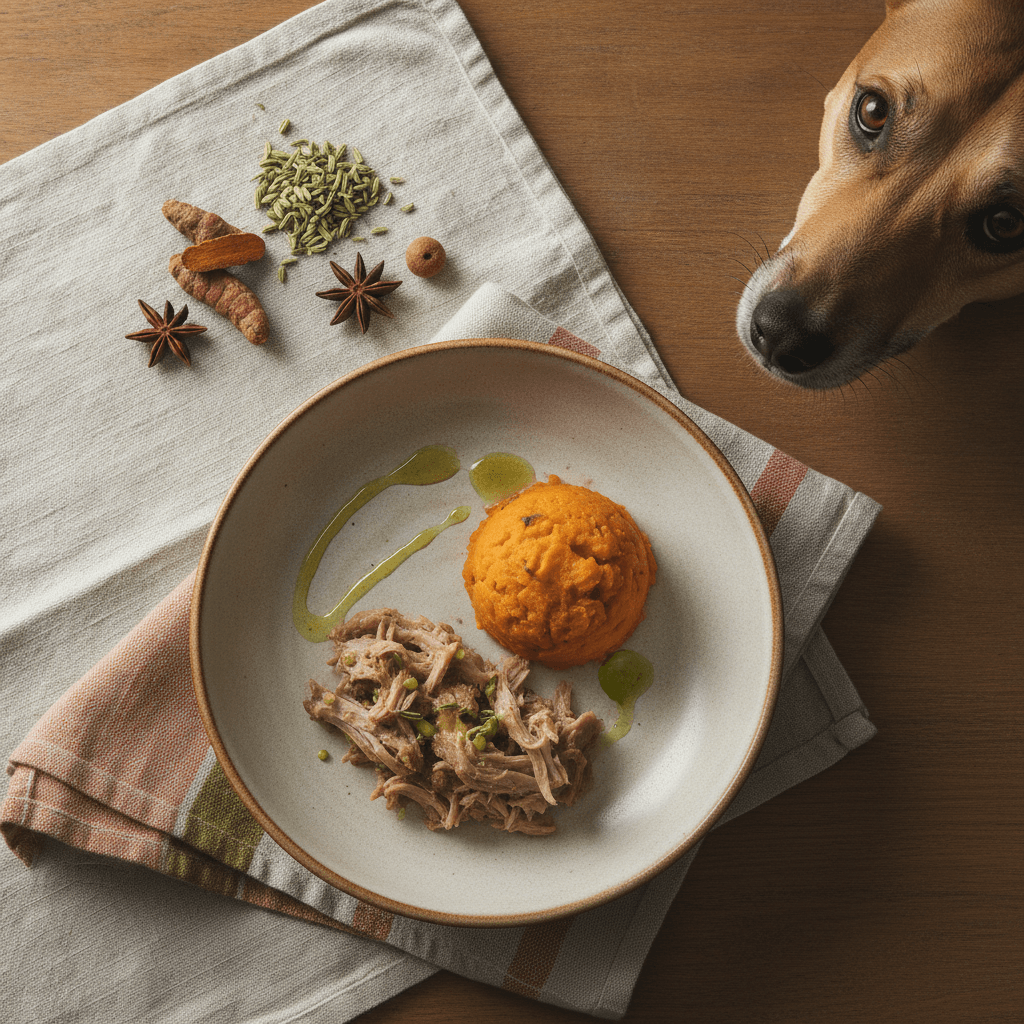
- Small Amounts of Cooked Vegetables: Pumpkin, sweet potato (in moderation), or green beans. Fibre and some vitamins. Without overwhelming their system with starch.
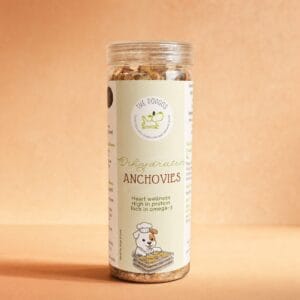
- Dehydrated Fish: Dehydrated Anchovies or Dehydrated Sardines. Essential Omega-3 fatty acids. For brain and coat health. Far superior to any grain or starch.
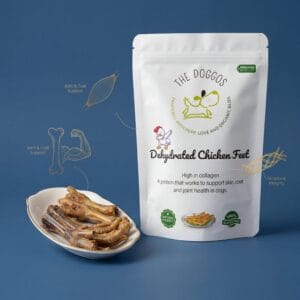
- Dehydrated Chews: For mental enrichment and dental health. Offer functional chews. Like Dehydrated Chicken Feet or Dehydrated Mutton Trotters. Natural calcium, glucosamine, and chondroitin.
The goal is to provide a diet. That supports their natural biology. Not one that mimics human fasting meals. Or convenience foods. Learn more about balanced feeding. In my guide, What Should I Feed My Dog?
Common Mistakes Indian Pet Parents Make with Sabudana
In my experience, many Indian pet parents. With the best intentions. Make these critical errors:
- Assuming ‘Light’ Means Healthy: Sabudana is perceived as light for human fasts. Leading owners to believe it’s gentle on a dog’s stomach. It’s often the opposite for carnivores.
- Overfeeding: Even if introduced. Pet parents often give too large a portion. Treating it like a main meal component. Rather than a minuscule, temporary addition.
- Feeding Uncooked or Partially Cooked: This is dangerous. Due to potential toxicity and indigestibility.
- Substituting Meat: Replacing essential meat protein with sabudana. Leads directly to nutritional deficiencies.
- Not Deboning Meat: If mixing with chicken. Many still cook chicken with bones. And feed it all. Remember, NEVER feed cooked bones; they splinter dangerously. Always debone after cooking.
Always prioritise real, whole, cooked meat. And appropriate supplements. Over starchy fillers. Your dog’s long-term health depends on it.
Frequently Asked Questions About Sabudana for Dogs
Is sabudana good for dogs with an upset stomach?
No, sabudana is generally not good for dogs with an upset stomach. Its high starch content can be difficult for a dog’s carnivorous digestive system to process. Potentially worsening symptoms like gas, bloating, or diarrhoea. A bland diet of plain, cooked, deboned chicken and a small amount of mashed pumpkin is usually a safer and more effective choice for stomach upset.
How much sabudana can I give my dog?
Ideally, none. If absolutely necessary for a short-term, specific situation under vet guidance, a very small amount (e.g., 1 teaspoon for small dogs, up to 1 tablespoon for large dogs) of thoroughly cooked and mashed sabudana might be mixed into their regular, meat-based bland diet. It should never be a regular part of their meals.
What are healthier alternatives to sabudana for dogs?
Healthier alternatives to sabudana that align with a dog’s carnivorous diet include lean, cooked and deboned meats (chicken, goat), small amounts of cooked organ meats, omega-3 rich fish like Dehydrated Anchovies, and a balanced supplement like Hemp Seed Oil for essential fatty acids. For fibre, small portions of cooked pumpkin or green beans are better than starch.
Can sabudana cause allergies in dogs?
While sabudana itself is generally considered hypoallergenic for humans (being gluten-free), any food can potentially cause sensitivities in dogs, especially if their digestive system struggles to process it. The primary concern with sabudana for dogs is digestive upset due to its starch content, rather than an allergic reaction.
Is sabudana kheer or khichdi safe for dogs?
No, sabudana kheer or khichdi are not safe for dogs. These dishes typically contain ingredients like sugar, milk, nuts, spices, or excessive oil, which are either harmful or highly indigestible for dogs. Even plain, cooked sabudana should be given with extreme caution and in minimal amounts, never as part of a human dish.
My Final Word: Choose Carnivore-Appropriate Nutrition
As Mahiv Amit Chhabra, founder of The Doggos and author of “The Desi Carnivore,” I stand firm: our dogs are carnivores. While sabudana might be a cultural staple for us, it’s a nutritional void and a digestive challenge for them. Resist the urge to share your fasting foods.
Instead, focus on providing a diet rich in real, cooked meat, balanced with essential supplements. Our Hemp Meal Balancer is an excellent way to ensure your home-cooked meals provide all the necessary amino acids and fats, promoting optimal health and vitality. Give your dog the species-appropriate nutrition they deserve.
Related Reading
- Shop the anchor product: Hemp Meal Balancer in the catalog.
- Read more: Indian dog feeding guide.
- About the author: Mahiv Chhabra, certified canine nutritionist.