Is your furry family member constantly scratching, paw-licking, or battling recurring ear infections? For many Indian dogs, chicken is the culprit. Don’t despair if you have a protein chicken allergic Indian dog; there’s a powerful, natural solution: truly novel proteins like quail, fish, and mutton.
Quick Answer: Quail, Fish, and Mutton are Top Novel Proteins for Chicken Allergic Indian Dogs
For a protein chicken allergic Indian dog, novel proteins like quail, fish, and mutton are superior, hypoallergenic choices. Their distinct protein structures reduce allergic reactions, offering lasting relief from chronic itching and inflammation. Dehydrated Whole Quail, Dehydrated Anchovies, or gently cooked mutton provide nutrient-dense, species-appropriate alternatives that address the root cause of discomfort. These options are crucial for dogs needing a truly hypoallergenic dog food in India.
Why Chicken Can Cause Allergies in Indian Dogs
Chicken is often the first protein recommended for dogs. It’s lean, digestible, and usually affordable. But in India, several factors make chicken a common allergen:
- Overexposure: Chicken is everywhere. From conventional kibble (often the *only* protein source for years, even if labelled “chicken-free” it can contain rendered chicken meal from cross-contamination) to homemade meals, constant exposure can make the immune system see chicken proteins as threats. The immune system develops specific antibodies against these frequently encountered chicken protein structures, triggering an allergic response that manifests as skin issues, digestive upset, or ear infections.
- Commercial Farming Practices & Omega Imbalance: Most commercial chicken in India is corn and soy fed. This pushes the Omega-6:3 ratio to an inflammatory 20:1 or worse, compared to a healthy 7:1 for pasture-raised meat. That’s not a number, that’s an itch. This imbalance floods the body with inflammatory markers, showing up as skin issues, itching, and ear infections. Many Indian pet parents incorrectly attribute this to “chicken heat” (Ayurveda), but it’s primarily Omega-6 induced inflammation, not thermal heat. I’ve unpacked this further in my guide on why your dog is always itching, and specifically how it leads to dog ear infections and hot spots.
- Processing and Preservatives: Many commercial dog foods use rendered chicken products, often with chemical preservatives and artificial flavours. These can further irritate susceptible dogs and contribute to a raised stomach pH, making dogs more vulnerable to bacterial infections and hindering proper nutrient absorption. Kibble, by its very nature of high-heat extrusion, often degrades delicate nutrients and can introduce inflammatory compounds, making it a survival food, not a thriving one.
When you see your dog itching, it’s not always just a skin problem; it’s often a sign of internal inflammation that needs a dietary solution.
The Challenge of Finding Truly Hypoallergenic Protein in India
When a dog develops a chicken allergy, the immediate thought is to switch proteins. But the Indian market presents unique challenges for finding truly novel and safe proteins. Identifying a truly novel protein requires understanding that allergies are an immune response to specific protein structures. If your dog’s immune system has frequently encountered chicken proteins, it has built antibodies against them. A truly novel protein has a distinct amino acid profile that the immune system has not yet ‘seen’.
- Limited Truly Novel Proteins: Common alternatives like lamb or beef aren’t always readily available or are expensive. And crucially, some dogs can develop sensitivities to them too, especially if their protein structures share similarities with chicken, leading to cross-reactivity. For example, some dogs allergic to chicken may also react to turkey or duck due to similar protein families. Finding truly unique protein structures is key, which is why options like quail, specific fish, or goat stand out. Many ‘hypoallergenic’ kibbles, despite claims, still use highly processed or rendered forms of these proteins, which can still trigger sensitive dogs.
- Quality Concerns in Sourcing & The Hygiene Gap: Sourcing high-quality, ethically raised meat can be tough, particularly in wet markets where hygiene standards are often questionable. The humidity in cities like Mumbai or Chennai can breed bacteria rapidly, making raw feeding a significant cross-contamination risk for Indian households. While a dog’s stomach acid (pH 1-2) is designed to handle pathogens, bringing raw wet-market meat into your home poses a practical risk we cannot ethically ignore. This is why our ‘Cook the Meal, Dehydrate the Bone’ philosophy is so critical for Indian households. We explore this further in my guide on raw food diet for dogs in India.
- Consistency and Cost: Specialized hypoallergenic diets or novel proteins can be significantly more expensive than regular chicken, and consistent availability of fresh, novel meats can be erratic. This makes strategic sourcing and smart choices even more important for long-term management. Our dehydrated options offer a consistent, safe, and cost-effective solution, eliminating the guesswork of local market sourcing.
What Makes a Protein ‘Novel’ for Your Indian Dog?
A protein is considered ‘novel’ if your dog’s immune system has had little to no prior exposure to it. This means their body hasn’t developed antibodies against it, greatly reducing the chance of an allergic reaction. For many Indian dogs, who are often fed chicken or common meats from an early age, true novelty can be a challenge. We look for proteins with distinct amino acid profiles that are less likely to cross-react with common allergens. This is where options like quail or specific fish species become invaluable, as their protein structures are quite different from chicken. The more unique the protein’s amino acid sequence, the less likely the immune system is to recognise it as a threat. Understanding protein families is also crucial; for instance, if your dog reacts to chicken, turkey and duck might also cause issues due to similar protein structures, making goat or specific fish a safer bet.
The Elimination Diet: Your First Step to Identifying Allergies
Before introducing novel proteins, an elimination diet is crucial. This involves feeding a single, novel protein source and a single carbohydrate source (e.g., sweet potato) for 8-12 weeks, with no other treats, chews, or supplements. This protocol allows your dog’s system to clear out existing allergens and for inflammation to subside. Once symptoms resolve, you can gradually introduce other proteins one by one to identify specific triggers. This process is time-consuming but offers the clearest path to understanding your dog’s sensitivities and is foundational for managing a protein chicken allergic Indian dog.
Beyond Chicken: Exploring More Novel Proteins for Indian Dogs with Allergies
While quail is a fantastic option, it’s wise to have a broader understanding of practical novel proteins available in India, especially when dealing with a protein chicken allergic Indian dog. Rotation is key to prevent new allergies from developing.
Mutton (Goat): The Recovery Meat
Goat meat is a fantastic alternative for chicken-allergic dogs. It’s often called “recovery meat” for a reason. Compared to chicken, mutton offers 3x the iron and 4x the zinc, making it ideal for dogs recovering from tick fever, senior dogs with joint stiffness, or those needing a boost during colder months. Goat is also considered a “warming” protein in Ayurveda. Many dogs allergic to chicken tolerate goat well due to its different protein structure. Remember to gently cook and debone all mutton before serving, following our “Cook the Meal, Dehydrate the Bone” philosophy. Mutton is leaner than commercial chicken and its distinct protein profile makes it a safe bet for dogs with chicken sensitivities.
Natural Fish: Omega-3 Powerhouses for Skin and Brain
Small, oily fish like anchovies and sardines are excellent novel proteins, especially for Indian dogs with allergies. They are low on the food chain, meaning minimal heavy metal accumulation (unlike tuna or mackerel), and are bursting with Omega-3 fatty acids (DHA and EPA). These fats are powerful anti-inflammatories, directly combating the Omega-6 induced “heat” that causes itching and skin issues. They also support brain development in puppies and prevent cognitive decline in seniors. The high DHA content is particularly beneficial for strengthening the skin barrier, making it more resilient against allergens. For convenience, Dehydrated Anchovies, Dehydrated Sardines, or even Dehydrated Bombay Duck are odour-controlled and perfect for adding to any meal, even for cat companions. Explore more about these and other options on our cat treats page.
Other Potential Novelties (with a caveat)
While proteins like duck or rabbit are considered novel in some Western markets, consistent sourcing of quality, ethically raised meat can be a significant hurdle in India. Supply chains are often unreliable, and quality can vary wildly, making them impractical for a consistent hypoallergenic diet. For most Indian pet parents, focusing on readily available and safely prepared options like our dehydrated whole quail, fish, or gently cooked goat is the most practical and effective strategy for managing a protein chicken allergic Indian dog.
The Importance of Protein Rotation
Once you’ve identified a novel protein that works, don’t stop there. Continuously feeding the same protein, even a novel one, can eventually lead to new sensitivities. Rotation is key to prevent new allergies from developing. Rotating 2-3 truly novel protein sources (e.g., quail, mutton, and fish) every few weeks helps keep the immune system balanced and prevents overexposure. This strategy ensures long-term dietary success and resilience for your sensitive dog, making it a cornerstone for managing a protein chicken allergic Indian dog.
Dehydrated Whole Quail: The Ultimate Hypoallergenic Protein for Sensitive Dogs
Quail stands out as an exceptional choice for dogs with food sensitivities and allergies, particularly for a protein chicken allergic Indian dog. Here’s why it’s often my top recommendation, making it far better than chicken for allergies:
- Unparalleled Novelty: For most dogs and cats in India, quail is a truly “novel protein” – their immune system has never encountered its unique protein structure before. This significantly reduces the likelihood of an allergic reaction, making it ideal for elimination diets and long-term feeding for sensitive pets.
- Nutrient Density: Quail is a powerhouse of nutrition. It’s lean, rich in highly digestible protein, and packed with essential vitamins and minerals like iron, zinc, selenium, and B vitamins.
- Balanced Fatty Acid Profile: While not as widely studied as chicken, quail generally has a more balanced Omega-6:3 ratio compared to commercial chicken, further reducing inflammatory responses.
- Whole Prey Benefits: When offered as a whole animal (like our dehydrated options), Dehydrated Whole Quail provides a complete spectrum of nutrients, including bone for calcium and phosphorus, and even feathers. This also naturally provides taurine, essential for both dogs and obligate carnivore cats.
Comparing Quail and Chicken: A Nutritional Breakdown for Allergic Dogs
Let’s look at how 100g of raw quail and chicken (breast, skinless) compare nutritionally. Note that our Dehydrated Whole Quail provides the entire animal, including bone and skin, for a complete nutritional profile, offering a more complete set of nutrients than boneless chicken breast, which is often what is fed, making it a superior hypoallergenic dog food in India.
| Nutrient (per 100g) | Quail (Approximate) | Chicken Breast (Approximate) | Benefit for Allergic Dogs |
|---|---|---|---|
| Calories | 134 kcal | 165 kcal | Leaner profile, good for weight management. |
| Protein | 22g | 31g | Highly digestible, less likely to trigger reactions due to novelty. |
| Fat | 4.5g | 3.6g | Contains a better Omega-6:3 balance, reducing inflammation. |
| Omega-3 Fatty Acids | Higher (more balanced ratio) | Lower (skewed ratio) | Crucial for reducing skin inflammation and itching. |
| Iron | 2.5mg | 0.7mg | Essential for red blood cell health, especially in recovery. |
| Zinc | 2.7mg | 0.5mg | Supports immune function and skin healing. |
| Vitamin B6 | 0.4mg | 0.5mg | Supports metabolism and nerve function. |
| Vitamin B12 | 0.3mcg | 0.3mcg | Vital for energy and nervous system health. |
| Manganese | 0.2mg | 0.02mg | 10x higher in quail. Protects ligaments from CCL tears, crucial for joint health. |
As you can see, quail offers a richer profile in key minerals like iron and zinc, vital for overall health and recovery. The manganese content in quail is particularly notable. It matters in bone development and protecting ligaments from injuries like CCL tears. For example, a single Dehydrated Whole Quail can provide a significant boost of over 1mg of manganese, crucial for breeds prone to joint issues.
The Doggos’ Dehydrated Whole Quail: Your Go-To for Allergic Indian Dogs
When I talk about feeding quail, I often mean our Dehydrated Whole Quail. This isn’t just a treat; it is a functional food that brings several unique benefits, especially for a protein chicken allergic Indian dog, making it a truly hypoallergenic dog food in India:
- Whole Prey Nutrition: Dogs are carnivores designed to eat whole prey. Our Dehydrated Whole Quail provides bone, organs, muscle meat, and even feathers, replicating a natural diet. This ensures a balanced intake of calcium, phosphorus, and other trace minerals crucial for bone health, and essential taurine. This complete nutrient profile helps support the immune system and reduce allergic load.
- Natural Anal Gland Expression: The insoluble keratin from the feathers acts as a natural “colon sweep.” It adds bulk and fibre to the stool, helping to naturally express anal glands and prevent discomfort and scooting, a common symptom in allergic dogs.
- Dental Health: Chewing on the small bones and cartilage of the Dehydrated Whole Quail provides mechanical abrasion, helping to scrape off plaque and tartar, contributing to better oral hygiene.
- Mental Enrichment: The act of tearing and chewing a whole quail is incredibly satisfying for dogs, releasing endorphins and providing mental stimulation, which can be calming for stressed or anxious pets, especially those dealing with chronic itching.
- Manganese for Ligament Health: Quail is naturally rich in manganese, a trace mineral essential for the formation of healthy connective tissues, including ligaments and tendons. This can be particularly beneficial for breeds prone to joint issues, especially when switching diets.
- Safety and Convenience: Unlike raw bones, our Dehydrated Whole Quail is safely dehydrated at low temperatures, ensuring bones remain pliable and crumble safely, avoiding the splintering danger of cooked bones. This makes it a convenient and hygienic option for Indian households, eliminating the cross-contamination risks of wet market raw meats and ensuring consistent availability for your protein chicken allergic Indian dog. The Dehydrated Whole Quail is also perfectly suitable for cats, providing them with essential taurine and a natural prey experience.
From Mahiv’s Practice: I’ve seen remarkable turnarounds. A Golden Retriever in Bengaluru, suffering from chronic paw licking and ear infections for two years, was switched from a chicken-based diet to a primary diet of mutton and Dehydrated Whole Quail twice a week. Within six weeks, the paw licking significantly reduced, and his ears were clear. This wasn’t just about removing an allergen; it was about introducing a truly species-appropriate, nutrient-dense protein that addressed underlying inflammatory issues. It is a testament to the power of novel proteins.
How to Introduce Novel Proteins to Your Dog’s Diet
Introducing any new protein, especially for an allergic dog, requires a careful approach. If you have completed an elimination diet and identified chicken as the culprit, here is my recommended 7-day transition protocol for introducing a novel protein:
- Start Slow (Days 1-2): Begin by replacing 25% of your dog’s current protein source with the new protein (e.g., cooked, deboned quail meat, a small piece of Dehydrated Whole Quail, or a pinch of Dehydrated Anchovies). Monitor for any digestive upset, skin changes, or increased itching.
- Gradual Increase (Days 3-4): If all goes well, increase the new protein to 50% of the protein portion.
- Further Increase (Days 5-6): Move to 75% new protein, observing their stool consistency and behaviour.
- Full Transition (Day 7 Onwards): If your dog tolerates it well, you can now feed 100% of the new protein as the primary source, or continue rotating it with other non-allergic proteins like mutton or fish.
Remember, dogs on a fresh diet often drink less water, which is normal as fresh food contains about 70% moisture, unlike dry kibble. This is actually excellent for kidney health! Expect to see some mucus in stool around Days 3-4 as the gut sheds its old lining, which is normal. A pinch of Baobab powder or extra pumpkin can help settle the gut during this phase. More tips on transition can be found in our homemade dog food recipes guide.
Cooking & Balancing Novel Proteins at Home
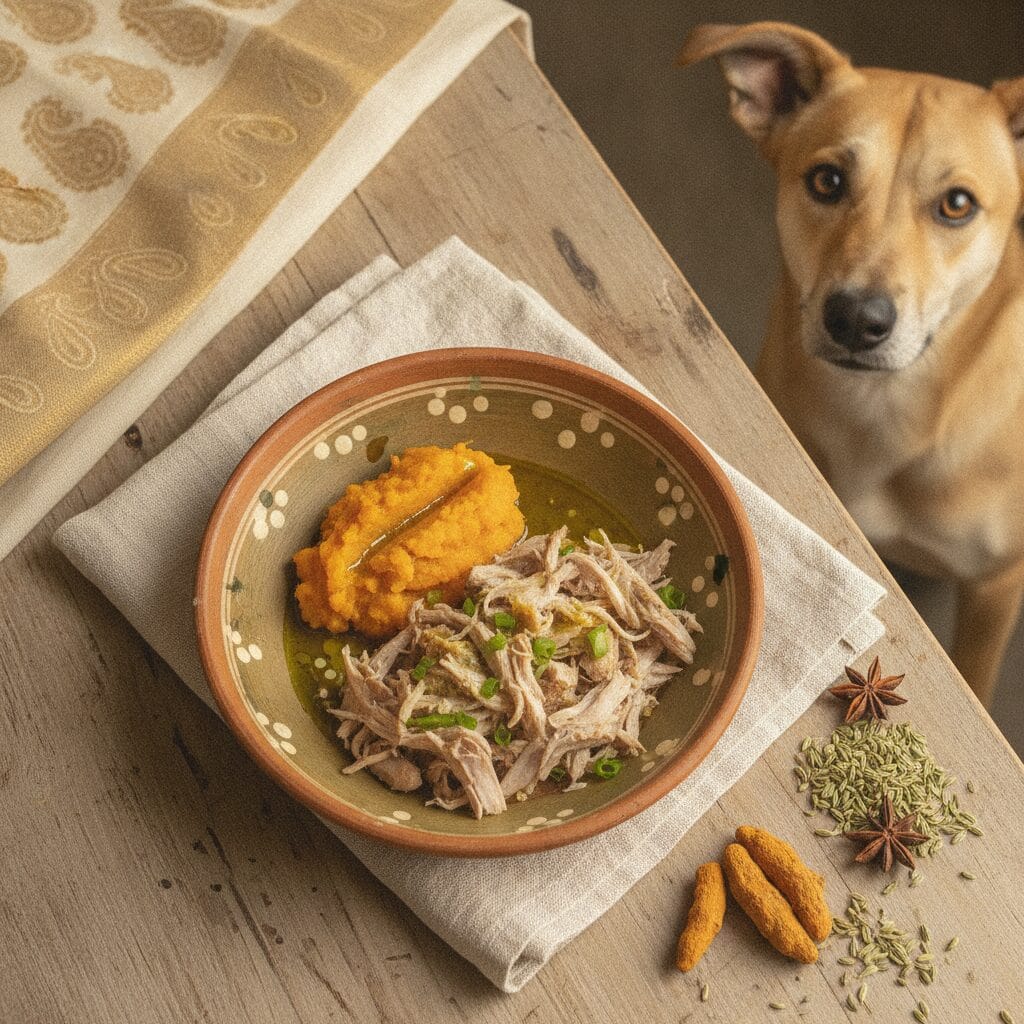
While our dehydrated options are excellent, you can also cook novel proteins like quail or mutton. Always remember my Golden Rule: Cook the meat, dehydrate the bone. NEVER feed cooked bones. Pressure cook meat thoroughly, then debone it before serving. You can mix it with a small portion of steamed vegetables like green beans or pumpkin.
For a complete and balanced meal, especially if you are cooking boneless meat, remember the importance of the Calcium:Phosphorus ratio (1.2:1). You can achieve this by adding a small amount of eggshell powder or our Bone and Organ Boost supplement. For safe bone intake, always choose dehydrated options. Learn more about safe bones for dogs.
Common Mistakes Indian Pet Parents Make with Allergic Dogs
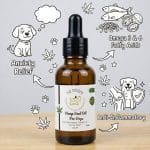
- Ignoring the Omega-6:3 Imbalance: Many focus solely on removing the allergen but forget that high Omega-6 from commercial chicken can still cause inflammation. Supplementing with Omega-3 sources like Hemp Seed Oil or Dehydrated Anchovies is crucial, even if you switch proteins. You’ll see a visible difference in skin and coat health in three weeks. This isn’t just a ‘topper’ it’s a ‘balancer’. Explore our full range of hemp supplements for dogs.
- Feeding Cooked Bones: This is a dangerous trap. Pressure-cooking chicken or any bones makes them brittle. They don’t dissolve. They shatter into sharp, jagged splinters that can perforate intestines, leading to fatal peritonitis. This is the trap so many well-meaning Indian parents fall into. Always debone after cooking. For safe bone intake, opt for dehydrated options like our Dehydrated Whole Quail, Dehydrated Chicken Feet, or Dehydrated Mutton Trotters.
- Relying on Single Protein Kibble: While marketed as hypoallergenic, many single-protein kibbles still contain hidden allergens or highly processed ingredients that can irritate a sensitive gut. High-carb kibble raises stomach pH, making dogs more susceptible to bacterial infections and hindering their natural digestive process. Fresh, whole food is always superior. Kibble is a survival food, not a thriving food.
- Not Giving Enough Time: It takes time for the body to heal and for inflammation to subside. Don’t expect instant results. Stick to the new diet consistently for at least 4-6 weeks before evaluating its effectiveness. The gut needs time to repair and rebalance.
- Over-treating with Unsuitable Snacks: Even if the main meal is hypoallergenic, giving treats like biscuits (full of maida and sugar, which rot teeth and cause blood sugar spikes) or chicken-based chews can sabotage your efforts. Choose single-ingredient dehydrated treats instead, like our functional dehydrated dog treats. A Dehydrated Chicken Foot is a much better alternative to a Parle-G.
As a certified canine nutritionist and author of “The Desi Carnivore,” I, Mahiv Amit Chhabra, am passionate about helping Indian pet parents navigate these challenges with practical, science-backed solutions.
Frequently Asked Questions About Novel Proteins for Allergic Dogs
-
What is an elimination diet and how long does it last?
An elimination diet involves feeding a single, novel protein (one your dog has never eaten before) and a single carbohydrate source for 8-12 weeks. This strict approach allows your dog’s system to clear out existing allergens and for inflammation to subside, helping pinpoint specific triggers. During this time, no other treats, chews, or supplements should be given to ensure accurate results, making it foundational for managing a protein chicken allergic Indian dog.
-
Is quail safe for puppies?
Yes, quail is generally safe and highly nutritious for puppies. Its rich protein and mineral content supports healthy growth and development. For very young puppies, offer cooked, deboned quail meat. For older puppies, small pieces of Dehydrated Whole Quail can be introduced gradually for dental and mental enrichment, always under supervision, making it an excellent novel protein choice.
-
Can cats eat quail, fish, or mutton?
Absolutely! Cats are obligate carnivores, and quail, fish, and mutton are all excellent, species-appropriate proteins for them. Dehydrated Whole Quail, Dehydrated Anchovies, or gently cooked, deboned mutton are particularly beneficial for cats, providing natural taurine, essential for feline heart health and vision, and the whole prey experience. These are excellent additions to their daily meals for a balanced diet.
-
How often can I feed my dog novel proteins like quail, fish, or mutton?
Novel proteins can be fed as a primary protein source daily, or as a rotation protein a few times a week, especially for dogs with chicken allergies. For our Dehydrated Whole Quail, I recommend 2-3 times a week as a meal replacement or significant snack, depending on your dog’s size and dietary needs. Dehydrated fish can be a daily topper for Omega-3 balance, ensuring your protein chicken allergic Indian dog gets the necessary anti-inflammatory support.
-
Where can I source truly novel proteins for dogs in India?
You can sometimes find fresh quail and mutton meat at specialized meat shops or larger supermarkets in India. However, for guaranteed quality, convenience, and safety, especially for whole-prey nutrition, I highly recommend our dehydrated options like Dehydrated Whole Quail, Dehydrated Anchovies, and Dehydrated Sardines. They are safely prepared to retain nutrients and provide a complete, easy-to-feed solution, eliminating the hygiene risks of wet market raw meats and ensuring consistent availability for your protein chicken allergic Indian dog.
Make the Switch to Hypoallergenic Novel Proteins Today
If your protein chicken allergic Indian dog is struggling with chronic itching, digestive issues, or simply needs a novel protein in their diet, it is time to consider alternatives like quail, fish, or mutton. Moving beyond conventional proteins can significantly improve your dog’s quality of life, reducing inflammation and supporting their overall health.
Our Dehydrated Whole Quail offers a convenient, safe, and incredibly nutritious way to introduce this powerful hypoallergenic protein. It is not just a treat; it is a step towards a healthier, happier life for your sensitive dog, providing whole-prey benefits that kibble or cooked boneless meat simply cannot match. The Dehydrated Whole Quail is also an excellent choice for your feline companions. Explore our range of dehydrated dog treats and all products today and give your dog the relief and nutrition they deserve.