
The nip in the air? It’s not just for us humans; our dogs feel it too. As Indian winter kicks in, whether you’re dealing with Delhi’s crisp, dry cold or Mumbai’s gentler chill, our furry pals really need their diet to shift. They need to stay warm, vibrant, and healthy, right? But hey, before you grab that extra roti or a big bowl of chicken with bones, let’s chat about what *actually* keeps your dog thriving through these colder months, the Desi Carnivore way.
Look, for a truly warm and healthy winter, dogs here in India do best on a diet of gently home-cooked, deboned meats. It’s gotta be balanced with essential fats and calcium, focusing on super nutrient-dense proteins like mutton and fish. And we’re talking about avoiding common, dangerous mistakes like feeding cooked bones or those unbalanced, grain-heavy meals. Basically, it’s all about smart feeding that respects their natural carnivorous biology, while also making sense for an Indian home. Win-win.
Why Your Dog’s Winter Diet Needs a Desi Carnivore Upgrade
Here’s the thing: just like us, a dog’s body really has to work overtime in colder weather to stay warm. This means they usually need more energy, a stronger immune system, and some extra love for their joints, which, let’s be honest, can get pretty stiff when it’s cold.
* **More Energy Burn:** Even a tiny shiver burns calories. But more than that, just keeping their body temperature up in a cool environment uses up a lot more metabolic energy. A diet packed with the right kind of fats and proteins gives them that steady energy, without all those useless carbs.
* **Immunity Boost:** Winter? Total sniffle and infection season. A strong immune system, powered by whole, nutrient-rich foods and key vitamins, is your dog’s absolute best defence.
* **Joint Comfort:** For senior dogs, or breeds that tend to get arthritis, the cold can really amp up joint pain and stiffness. Glucosamine, chondroitin, and anti-inflammatory fats? They become non-negotiable “medicine” in their everyday bowl.
* **Hydration:** Your dog might *seem* to drink less water in winter, but they still need that moisture. Fresh, home-cooked food is naturally about 70% water (kibble’s only 10%!). That’s brilliant for kidney health and keeping them hydrated overall. It’s actually why dogs on our fresh diets often look like they’re not drinking as much.
Busting the “Heat” Myth: What Winter Warmth *Really* Means for Your Dog
And this is exactly where the Desi Carnivore philosophy swoops in to clear things up, literally. A lot of Indian pet parents back off from feeding chicken or eggs in winter. Why? They’re scared it’ll cause “heat” (garmi), leading to rashes, itching, or an upset tummy. Honestly, most vets won’t tell you this, but let me tell you, this is one of the biggest myths we absolutely *have* to debunk.
What you’re actually seeing as “heat” is almost always **Omega-6 induced inflammation**, not actual thermal heat. Think about it: commercial Indian chicken, often fed corn and soy, has an Omega-6 to Omega-3 ratio that can skyrocket to 20:1 or even 30:1. This just floods your dog’s system with inflammatory markers. And what happens then? You get those exact symptoms you link to “heat”: paw licking, hot spots, ear infections that just won’t quit, and that mysterious itching.
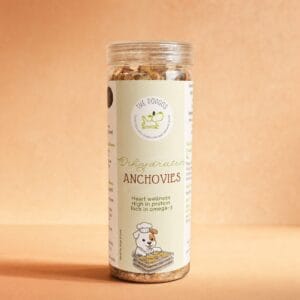
The real fix isn’t to stop feeding chicken (it’s such a fantastic, easy-to-digest protein!). No, the trick is to *balance* those fats. You don’t need to ditch a good protein, yaar. You need to bring in a cooling fat. By adding a rich Omega-3 source, like **Hemp Seed Oil** or **Dehydrated Anchovies**, you push that ratio back towards a healthy sweet spot, usually around 5:1. This calms down the inflammation, and poof! The “heat” symptoms just vanish.
Seriously, imagine it like pouring coolant into an engine that’s running too hot. Hemp Seed Oil, especially, has GLA (Gamma-Linolenic Acid). That’s a rare Omega-6 that actually *works* as an anti-inflammatory. It completely bypasses those usual enzymatic processes that a lot of dogs with atopic dermatitis struggle with. It’s basically direct medicine for dry, cracked paws and flaky skin, which are super common issues in our dry Indian winters. (My Indie dog used to struggle with this so much!)
Explore The Doggos Hemp Seed Oil here.
Find The Doggos Dehydrated Anchovies here.
The Desi Carnivore’s Winter Method: Cook the Meal, Dehydrate the Bone
Our core philosophy? It’s non-negotiable, especially when we’re talking about dog safety in an Indian home. When it comes to winter feeding, this method is still your absolute guiding star:
* **COOK the meat:** We gently home-cook meat, usually in a pressure cooker. Why bother? Because Indian wet markets, especially with our often humid climate (even in winter, in a lot of places), are basically bacterial breeding grounds. Think Salmonella and E.coli. And while, yeah, a dog’s super acidic stomach (pH 1-2) *can* take on pathogens, bringing raw wet-market meat into your home? That’s an unacceptable cross-contamination risk for your family. Period. My priority is always your dog’s health *and* your family’s safety.
* **DEBONE after cooking:** Listen up, this is a life-or-death warning. NEVER, ever, under any circumstances, feed your dog cooked bones. High heat turns bones brittle, literally making them into sharp, jagged splinters. These can easily poke holes in intestines, which leads to fatal peritonitis. It’s a common trap a lot of well-meaning Indian parents fall into, pressure-cooking chicken with bones and giving the whole lot. It’s incredibly dangerous.
* **DEHYDRATED bones for calcium + dental health:** Now *this* is our “Goldilocks” solution for calcium. Dehydration uses low temperatures for over 20 hours. This keeps the bone structure porous. What happens then? These bones crumble into a safe, chalky powder. You get all that essential calcium and phosphorus without the splintering danger of cooked bones or the hygiene worries of raw ones. This way, your dog gets that super important 1.2:1 Calcium:Phosphorus ratio. It helps prevent nasty stuff like osteopenia and “Rubber Jaw” syndrome, which is extra important when joints are already under stress in winter.
Want to understand more about safe bones? Read our detailed guide: Can Dogs Eat Bones? The Indian Pet Parent’s Safety Guide
Winter Warrior Proteins: Choosing the Right Meats for the Cold
Some proteins really just shine in the colder months, offering special benefits to keep your dog strong and healthy.
Mutton (Goat): The Ayurvedic “Warming” Protein for Winter Recovery
In Ayurveda and Traditional Chinese Medicine, mutton is seen as a “warming” protein. And honestly? I’ve seen its benefits with my own eyes. It’s not just some idea of “heat,” either; mutton packs a super dense nutritional punch that’s absolutely perfect for winter:
* **Nutrient Powerhouse:** Mutton? It’s got 3x the iron and 4x the zinc compared to chicken. That makes it brilliant for rebuilding red blood cells and really pumping up overall vitality.
* **Recovery Meat:** This is my personal go-to for dogs bouncing back from illness, especially tick fever. It helps them rebuild platelets and red blood cells so well.
* **Winter & Senior Support:** For dogs feeling a bit sluggish, older dogs with stiff joints, or any dog needing an extra kick in the cold, mutton is invaluable. Plus, it’s usually leaner than that commercial chicken, and a lot of chicken-allergic dogs do wonderfully on it because its protein structure is just different.
Dehydrated **Mutton Trotters**? They’re an excellent way to get those mutton-derived nutrients in. They’re loaded with collagen, which is amazing for joint health. And they give hours of mental enrichment, which is a big bonus when you can’t get outside as much because of cold or rain. (My Beagle loves these when it’s too chilly for a long walk!)
Check out The Doggos Dehydrated Mutton Trotters for joint health and enrichment.
Chicken: Your Daily Go-To, Balanced for Winter Health
Chicken is still a fantastic, super easy-to-digest protein source for everyday meals (we’re talking about 27g per 100g breast!). It’s affordable, and you can get it pretty much anywhere in India. But, and this is a big *but*, the Desi Carnivore rules for chicken? They’re non-negotiable:
* **Cleanse:** Always, always wash your chicken with turmeric water (it’s a natural antiseptic, you know?) before you cook it.
* **Cook Thoroughly:** Get that pressure cooker going. Kill those bacteria.
* **DEBONE:** This is HUGE. You *must* remove *every single bone* after cooking. I cannot stress this enough.
* **Balance Fats:** And here’s the crucial bit: add Omega-3s, like Hemp Seed Oil or Dehydrated Anchovies, to *every single* chicken meal. This helps counteract that inflammatory Omega-6 imbalance.
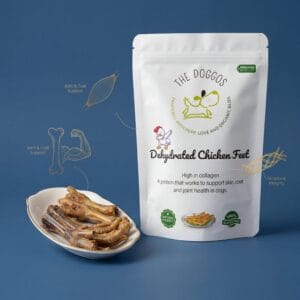
And for winter joint support? **Dehydrated Chicken Feet** are basically a natural joint pill. Each foot gives you about 450mg of glucosamine, plus chondroitin. Oh, and they’re also a fantastic natural toothbrush. Bonus!
Discover The Doggos Dehydrated Chicken Feet for natural joint support.
Fish (Anchovies/Sardines): Omega-3 Powerhouse for Skin & Brain in Dry Winters
Dry winter air? It can totally mess with your dog’s coat, making it dull and their skin itchy. So, this is where little fish like anchovies and sardines really become super important.
* **Omega-3 Superstars:** These guys are absolutely loaded with DHA (brilliant for puppy brain development and keeping senior dogs sharp, fighting off Cognitive Dysfunction Syndrome) and EPA (a seriously powerful anti-inflammatory).
* **”Eat Low on the Food Chain”:** Here’s a neat trick: these small, short-lived, plankton-eating fish barely accumulate any heavy metals. It’s totally different from bigger, longer-lived fish like tuna or mackerel, which can build up a lot more.
* **Convenience:** Our dehydrated anchovies? They’re odour-controlled! That makes them perfect if your family isn’t keen on cooking fish. They’re not just some “topper,” either; they’re genuine “balancers” for your dog’s Omega-6:3 ratio. real fix, really.
Boost your dog’s Omega-3s with The Doggos Dehydrated Anchovies.
Or try The Doggos Dehydrated Sardines for another great option.
Superfoods for a Super Winter: Boosting Immunity & Skin
Beyond just the main proteins, some special superfoods can give really targeted support for those winter challenges.
Hemp Seed Oil: The Anti-Inflammatory Shield
We’ve talked a bit about how it helps balance Omega fats, but Hemp Seed Oil’s winter benefits go even further, believe me:
* **Skin Barrier Health:** Its GLA content? It directly helps keep that skin barrier healthy. And that’s absolutely crucial for stopping dryness, flakiness, and dandruff during those colder, drier months.
* **Joint Support:** Its anti-inflammatory powers are a godsend for stiff, achy joints.
* **Calming Effect:** Here’s another cool thing: Hemp Seed Oil has a mild calming effect. So if you’ve got winter festivals or fireworks coming up, starting a daily dose 7 days beforehand can totally help build a “calm buffer” for your dog. (I swear by this for my anxious rescue dog during Diwali!)
Learn more about the benefits of The Doggos Hemp Seed Oil.
Baobab Powder & Oil: Vitamin C & Skin Saviour
This “Tree of Life” fruit from Africa? Total winter real fix.
* **Baobab Powder (Immunity & Collagen):** Get this: it’s got 5-6 times *more* Vitamin C than oranges (we’re talking about 300mg/100g versus only about 53mg/100g!). That’s what powers collagen synthesis for super strong ligaments and elastic skin. Plus, it gives a massive immune shield against all those winter bugs. And hey, it’s also a prebiotic fibre, which is amazing for settling the gut if you’re switching diets or if the winter weather gives your dog a bit of a tummy upset.
* **Baobab Oil (Skin Healing):** Now, unlike those thicker oils (coconut, olive, mustard) that just kinda sit on the skin’s surface, Baobab Oil has a really unique fatty acid mix (lots of Palmitic and Oleic acid). This means it actually absorbs *into* the epidermis. It basically acts like the skin’s natural lipid barrier, healing things from the inside out. This stuff is seriously profound for dealing with dry, cracked paws, hyperkeratosis (you know, that crusty nose thing), or even any fungal flare-ups that can still pop up in winter if it’s damp or there’s not enough air circulation. I’ve personally seen fungal infections vanish in 90 days, hot spots dry up in just 24 hours, and hyperkeratosis completely clear up in 2 weeks with regular use. It’s incredible.
Heal dry winter skin with The Doggos Baobab Oil.
Protect paws and noses with The Doggos Baobab Paw & Nose Balm.
Dehydrated Chews: More Than Just a Treat, They’re Winter Wellness Tools
When the days get shorter and you can’t really do as many outdoor activities because of the cold or rain, dehydrated chews become, well, essential. They’re not just some snack; they’re basically functional medicine and mental enrichment, all rolled into one.
* **Dehydrated Chicken Feet:** Like we said earlier, these are natural glucosamine and chondroitin sources. Totally perfect for helping those stiff winter joints.
* **Dehydrated Mutton Trotters:** We’re talking hours of chewing fun here. They release endorphins and serotonin (super calming when your dog’s less active), clean teeth, *and* give them collagen for healthy ligaments.
* **Dehydrated Goat Ears:** A really great dental chew. Plus, they’ve got fur fiber, which acts like a natural colon sweep. That helps digestion and even helps express anal glands.
* **Dehydrated Pig Bone:** For bigger breeds, this is a long-lasting chew that gives a good amount of calcium and phosphorus.
These chews keep your dog busy, mentally sharp, and give them crucial nutrients, especially when they’re spending more time indoors. It’s a lifesaver, honestly.
Explore our full range of functional dehydrated dog treats.
Curious about the power of dehydrated treats? Read our guide: Are Dehydrated Treats Good For Dogs?
The Desi Carnivore’s Winter Warmth Bowl: A Recipe for Thriving
Okay, so here’s a super simple yet powerful recipe to keep your dog warm and totally nourished this winter, all while using the Desi Carnivore method.
Mutton Strength Stew (Winter Edition)
This recipe really uses the “warming” and nutrient-packed qualities of mutton. It’s just perfect for those colder months.
**Ingredients:**
* 500g Goat Curry Cut (bone-in, but *only* if you’re comfortable meticulously deboning it after cooking!)
* 100g Sweet Potato (loads of Vitamin A and fibre)
* 50g Spinach (just wilt it in the residual heat, it’s packed with vitamins and minerals)
* 1 tbsp Ghee (clarified butter, a lovely warming, healthy fat in moderation)
* 1/2 tsp Turmeric powder (great for anti-inflammatory benefits)
* 1 tsp The Doggos Hemp Seed Oil (/product/hemp-seed-oil-for-dogs/) (add this *after* cooking, remember)
* 1/2 tsp The Doggos Bone and Organ Boost (/product/dehydrated-bone-and-organ-boost/) (optional, if you want extra iron and taurine)
* Water for pressure cooking
**Instructions:**
1. Give that goat curry cut a really good wash.
2. Pop the goat meat, cubed sweet potato, ghee, turmeric, and just enough water to cover everything into a pressure cooker.
3. Pressure cook for 4-5 whistles (or until that meat is super tender and basically falling off the bone).
4. **CRITICAL STEP:** Once it’s cool enough to handle, you absolutely *must* **meticulously DEBONE every single mutton piece.** Seriously, make sure not even tiny bone fragments are left. Then, mash the sweet potato right into the broth.
5. Throw in the spinach and stir it around until it wilts from the leftover heat.
6. Once the stew has cooled down to lukewarm, stir in The Doggos Hemp Seed Oil and The Doggos Bone and Organ Boost (if you’re using it, na?).
7. Serve up this nutrient-packed, warming stew. This meal? It’s fantastic for boosting immunity, giving sustained energy, and really helping out joint health.
And remember, always tweak those portion sizes. Your dog’s activity level, age, and breed? They all matter.
For more home-cooked options, explore our other recipes: 10 Homemade Dog Food Recipes for Indian Pet Parents
Common Winter Feeding Mistakes Indian Pet Parents Make
Look, we all mean well trying to keep our dogs comfy. But sometimes, in those good intentions, we accidentally fall into traps that actually do more harm than good.
1. **Feeding Cooked Bones (SERIOUSLY, A LIFE-THREATENING MISTAKE):** I cannot, *cannot* stress this enough. Doesn’t matter if it’s chicken, mutton, or any other cooked bone – they shatter and splinter. This isn’t just a “risk”; it’s a guaranteed path to potential internal damage. Just don’t do it. Stick to raw recreational bones or, for Indian homes, our super safe, dehydrated options.
2. **Relying on Boneless Chicken & Rice Alone:** Yeah, chicken and rice can totally be *part* of a meal. But a diet that’s *only* boneless meat? It’s missing absolutely crucial calcium. What happens then? Over time, it starts pulling calcium from your dog’s own bones, leading to nasty stuff like osteopenia and “Rubber Jaw.” You *have* to balance the phosphorus from meat with calcium from safe sources, like dehydrated bones or eggshell powder.
3. **Ignoring Omega-3s:** Believing that “heat” myth and avoiding good proteins, or feeding chicken without balancing its Omega-6 content? That just sets your dog up for chronic inflammation, skin problems, and general discomfort. Omega-3s? They’re non-negotiable balancers. End of story.
4. **Overfeeding Grains (Roti, Rice as Main Staples):** Okay, a little bit of rice can work as a filler, sure. But making roti or a ton of rice the main part of their diet? That’s just detrimental. Dogs don’t have amylase in their saliva, which means grains basically hit their stomach “whole.” This strains their pancreas and raises stomach pH, making proper digestion and fighting off bacteria a real struggle.
5. **Giving Processed Biscuits for “Warmth” (Parle-G, Marie):** Oh, man. These are just full of sugar and maida (refined flour). They’ll rot teeth, spike blood sugar, and give absolutely zero nutritional value. If you want a treat that actually *is* warming and functional, why not offer a **Dehydrated Chicken Foot** or a **Mutton Trotter** instead? They clean teeth, give nutrients, and the act of chewing actually releases calming endorphins. Everyone’s happier, na?
For a detailed breakdown of why roti is not ideal: Is Roti Good for Dogs? The Indian Dog Parent’s Guide
Your Winter Dog Food Questions, Answered by The Desi Carnivore
Can I give my dog more food in winter to keep them warm?
Yeah, your dog might need a bit more in terms of calories during winter. It helps them keep that body heat up, right? But here’s the kicker: focus on nutrient-packed calories from quality proteins and healthy fats, not just adding more bulk or empty carbs. A slightly bigger portion of their well-balanced, home-cooked meal is always better than extra kibble or roti.
Is it safe to feed my dog chicken in winter, given the “heat” concerns?
Absolutely! It’s totally safe and actually highly recommended to feed chicken in winter, as long as you stick to The Desi Carnivore method. That “heat” you’re worried about? It’s really just Omega-6 inflammation. Just gently cook the chicken, de-bone it, and *crucially*, add a good source of Omega-3s like **Hemp Seed Oil** or **Dehydrated Anchovies**. That balances the fats and stops any inflammatory reactions in their tracks.
My dog’s joints seem stiffer in the cold. What can I add to their diet?
If your dog’s joints are feeling a bit stiff in the winter chill, zero in on natural sources of glucosamine, chondroitin, and collagen. **Dehydrated Chicken Feet** are an awesome natural source of glucosamine. And **Dehydrated Mutton Trotters**? They give you collagen, which is fantastic for ligaments and joint health. Plus, adding anti-inflammatory fats like **Hemp Seed Oil** to their daily meals can seriously cut down on discomfort.
How can I ensure my dog stays hydrated in winter if they drink less water?
Fresh food is your absolute best friend here! Home-cooked meals naturally contain about 70% water. That ensures a good level of hydration, even if your dog isn’t guzzling as much from their water bowl. You could also splash a bit of plain bone broth (homemade or from a trustworthy brand) into their meals. Or maybe offer water with a few ice cubes; sometimes that makes it more appealing!
What about roti or milk to keep them warm?
Honestly, while roti and milk have traditionally been seen as warming foods, they’re generally not ideal for dogs. Roti is super high in carbs and can really strain a dog’s pancreas, boost stomach pH, and cause all sorts of digestive issues. Milk? That can lead to lactose intolerance in a lot of dogs, giving them an upset stomach. Stick to proteins that are right for their species, healthy fats, and moisture-rich cooked veggies for warmth and good nutrition. If you want a “warming” functional treat, a **Dehydrated Mutton Trotter** is, hands down, a far better choice.
So this winter, don’t just *feed* your dog; truly nourish them the Desi Carnivore way. By really understanding what their bodies need and adapting that to everyday Indian living, you can make sure your furry friend stays warm, healthy, and happy. They’ll be ready to chase away those winter blues, no problem! And hey, don’t forget to check out our range of functional treats and supplements at The Doggos. They’re perfect for rounding out your dog’s winter diet.
Related Reading
- Read the complete Indian dog feeding guide.
- About the author: Mahiv Chhabra, certified canine nutritionist.