
Every Indian pet parent wants the absolute best for their furry family member, right? You’re out there looking for natural, healthy treats that truly support their well-being. But the market, though, is absolutely flooded with options. Two popular choices always pop up: dehydrated treats and freeze-dried treats. But when it comes to your Indian pup, which one actually delivers? So, let’s really get into the science and what actually works on the ground behind dehydrated treats vs freeze-dried treats for dogs India.
Which is Better: Dehydrated Treats or Freeze-Dried Treats for Your Indian Dog?
Honestly, for most Indian dogs and households, dehydrated treats are generally the better choice. They offer a nice, firm texture, a longer chew time (which is great for their teeth and keeps their minds busy), and they hold up better in India’s crazy climate. That makes them a safer, and honestly, a more practical bet compared to those often fragile, pricey freeze-dried ones.
As a certified canine nutritionist (yep, that’s me!) and the voice behind The Desi Carnivore, I’ve seen a ton of well-meaning pet parents really struggle with this decision. My philosophy, "Cook the Meal, Dehydrate the Bone," isn’t just about daily food; it extends to treats too. It’s about finding that sweet spot between nutrition, safety, and the unique challenges of the Indian environment. So, let’s dive into what each method actually brings to the table.
Understanding Dehydrated Dog Treats: The Desi Carnivore’s Choice
Dehydration is a super old preservation method. It basically involves slowly taking moisture out of food using low heat over a long time, often 20+ hours. This process stops bad bacteria from growing, and it mostly keeps the food’s nutrients, natural taste, and that satisfying chewy texture intact. Pretty neat, huh?
The Process Behind Dehydration
- Low Heat, Long Time: Unlike high-heat cooking, dehydration uses gentle, steady temperatures (typically below 70°C). This lets the water just evaporate without “cooking” all the goodness out of the ingredient.
- Concentrated Goodness: As water leaves, the nutrients actually get more concentrated. Your dog gets a potent dose of protein, vitamins, and minerals in a smaller, lighter package.
- Texture Transformation: Dehydration gives you a firm, chewy, sometimes slightly brittle texture. This is key for dental health, as it makes them gnaw and scrape, which helps get rid of plaque and tartar.
Why Dehydrated Treats Shine for Indian Dogs
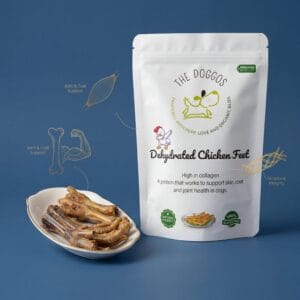
- Dental Health Powerhouses: A good chew isn’t just a treat; it’s a dental tool. Dehydrated Chicken Feet, for example, are like a natural joint pill packed with glucosamine and chondroitin. But they also act like a toothbrush, scrubbing your dog’s teeth clean. Similarly, Dehydrated Mutton Trotters give a long-lasting chew that really satisfies, releasing endorphins and helping scrape away plaque.
- Robust & Resilient: India’s climate, with all its humidity and temperature swings, can be tough on food. Dehydrated treats are way more stable and less likely to crumble or go bad compared to freeze-dried ones, as long as you store them right in an airtight container.
- Chew Time & Enrichment: Dogs are natural chewers. Dehydrated treats offer a satisfying, longer-lasting chew that fulfills this innate need, cutting down on boredom and anxiety. This is especially good for breeds like Labradors (my Lab goes crazy for these!) or German Shepherds who thrive on mental and physical stimulation.
- Nutrient Retention: While not as high as freeze-drying, dehydration still keeps a good amount of nutrients. The low-temperature process protects heat-sensitive vitamins and enzymes better than regular cooking.
- Cost-Effective: Generally, dehydrated treats are more accessible and easier on the wallet for Indian pet parents, making healthy snacking a sustainable habit.
At The Doggos, our entire range of treats, from Dehydrated Chicken Feet to Whole Quail, is dehydrated. This choice fits perfectly with our "Cook the Meal, Dehydrate the Bone" philosophy, giving you the ideal balance of safety, nutrition, and practicality for your Indian home. Want to know more about the benefits? Read our detailed guide on are dehydrated treats good for dogs.
Understanding Freeze-Dried Dog Treats: The "Premium" Contender
Freeze-drying is a more complicated and expensive preservation method. It involves freezing the food, then putting it in a vacuum chamber where the ice crystals sublimate (that means they turn directly from solid to gas, cool right?). This effectively removes all moisture without using any heat.
The Process Behind Freeze-Drying
- Deep Freezing: First, the food gets frozen to super low temperatures.
- Vacuum Sublimation: Then, it’s popped into a vacuum chamber where the pressure drops, causing the ice to basically vaporize directly, skipping the liquid stage altogether.
- Lightweight & Porous: What you get is a really porous, extremely lightweight, and often fragile product that still looks pretty much like it did originally.
The Appeal and Drawbacks of Freeze-Dried Treats
The Good:
- Maximum Nutrient Retention: Because no heat is used, freeze-drying keeps almost 100% of the raw food’s nutrients. We’re talking heat-sensitive vitamins, enzymes, and good bacteria.
- Lightweight: They are incredibly light. Super easy to carry for training or when you’re traveling.
- Excellent for Picky Eaters: Their concentrated flavor and aroma can be really appealing to fussy dogs. Plus, you can rehydrate them easily, which is good for older dogs or those with dental issues.
The Not-So-Good (Especially for India):
- Fragility: Freeze-dried treats are often brittle and can crumble really easily. This means less chew time for your dog and more mess for you. Especially if you have a strong chewer, yaar.
- Cost: The specialized equipment and energy needed for freeze-drying make these treats way more expensive than dehydrated options. This can be a big factor for Indian households.
- Storage Sensitivity: While they’re shelf-stable, freeze-dried treats are super hygroscopic. That’s a fancy word for saying they soak up moisture from the air like crazy. In humid Indian climates like Mumbai or Chennai, improper sealing can lead to rehydration and potential spoilage, creating a hygiene gap we’d rather avoid.
- Limited Dental Benefit: Because they’re so crumbly, freeze-dried treats just don’t offer much dental scraping action compared to the robust chew you get from dehydrated options.
Dehydrated Treats vs Freeze-Dried Treats for Dogs India: A Comparison
Let’s put them side-by-side to help you see the differences and make a smart choice for your desi dog.
| Feature | Dehydrated Treats | Freeze-Dried Treats |
|---|---|---|
| Processing Method | Low heat, slow moisture removal | Freezing, then vacuum sublimation (no heat) |
| Nutrient Retention | Very good (retains most nutrients) | Excellent (retains nearly all raw nutrients) |
| Texture | Chewy, firm, sometimes slightly brittle | Porous, airy, very fragile, crumbly |
| Chew Time | Longer, satisfying chew | Very short, dissolves quickly |
| Dental Benefits | Significant (helps scrape plaque, strengthens jaws) | Minimal (too soft/crumbly for effective cleaning) |
| Cost | Moderate, generally more affordable | High, often premium pricing |
| Suitability for Indian Climate | Good (more resilient to humidity if stored well) | Sensitive (highly absorbent, prone to rehydration if not perfectly sealed) |
| Practicality for Indian Homes | High (less mess, longer-lasting, good value) | Lower (fragile, expensive, requires very careful storage) |
| Versatility | Treat, chew, training reward | Treat, training reward, food topper (rehydrated) |
The Desi Carnivore’s Verdict: Why Dehydrated Wins in India
Look, while freeze-dried treats do offer amazing nutrient retention, their practical downsides in the Indian context often just outweigh that one benefit. The high cost, how fragile they are, and their sensitivity to our humid climate make them less than ideal for most pet parents here.
Dehydrated treats, on the other hand, perfectly align with the "Desi Carnivore" method. They give you:
- Optimal Chewing Experience: This is essential for your dog’s oral health, mental well-being, and natural instincts.
- Robustness for Our Climate: They hold up better against the monsoon humidity and general warmth, cutting down the risk of spoilage.
- Affordability & Accessibility: Making species-appropriate nutrition a reality for more Indian families.
- Trusted Nutrition: Keeping vital nutrients without the risks that come with raw feeding in an Indian home.
Remember, dogs have a stomach pH of 1-2. It’s designed to break down meat and bone and kill bacteria. But bringing raw wet-market meat into an Indian home definitely carries cross-contamination risks we just can’t ignore. Dehydration offers that "Goldilocks" solution: not raw (hygiene risk), not cooked (splintering risk for bones), but perfectly preserved and safe.
Common Mistakes Indian Pet Parents Make with Treats
Choosing between treat types is just one piece of the puzzle. Here are some common pitfalls I see Indian pet parents fall into:
- Ignoring Ingredients: So many commercial treats are packed with maida, sugar, and artificial colors. These are really bad for your dog’s health, causing inflammation (often mistaken for "heat"), digestive issues, and even dental problems. Always look for single-ingredient natural dog treats.
- Overfeeding: Treats are supplementary, not meal replacements. Even the best dehydrated treats should be given in moderation to avoid weight gain. Seriously, don’t overdo it!
- Inconsistent Storage: Leaving treats open, especially in humid conditions, can lead to mold and spoilage. Always store them in an airtight container in a cool, dry place.
- Assuming All "Natural" is Equal: Not all natural treats are created equal. "Rawhide" is often chemically processed and dangerous. Stick to truly single-ingredient, human-grade sourced options.
- Not Considering Functionality: Treats aren’t just for taste. Choose treats that offer extra benefits, like dental cleaning (Dehydrated Goat Ears with fur fiber for colon sweep) or joint support. (I’ve seen this work with Indie dogs especially, they love the crunch!)
My Recommendation: Embrace Dehydrated Goodness
When it comes to dehydrated treats vs freeze-dried treats for dogs India, my choice is clear. For your Indian pup, prioritize the safety, practicality, and full benefits that high-quality dehydrated treats offer. They give the natural chewing satisfaction your carnivore needs, help with excellent oral hygiene, and deliver concentrated nutrition in a format that just works best for our unique climate and lifestyle.
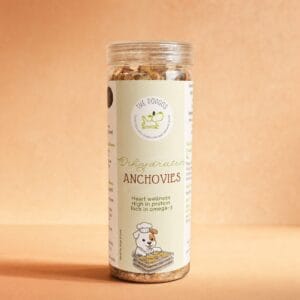
At The Doggos, we pride ourselves on offering a wide range of dehydrated treats and supplements designed with the Indian dog in mind. From Dehydrated Anchovies for a brain-boosting Omega-3 kick (a crucial "balancer" for the common Omega-6 imbalance in commercial chicken) to our robust Dehydrated Pig Bone for serious chewers, every product reflects my commitment to real meat, whole prey, and ancient superfoods.
Explore our full collection of dehydrated dog treats and see the difference real, species-appropriate nutrition can make. Your pup’s wagging tail and healthy smile will thank you!
Disclaimer: While I am a certified canine nutritionist, this information is for educational purposes. For specific health concerns, always consult with your trusted veterinarian.
Related Reading
- Read the complete Indian dog feeding guide.
- About the author: Mahiv Chhabra, certified canine nutritionist.