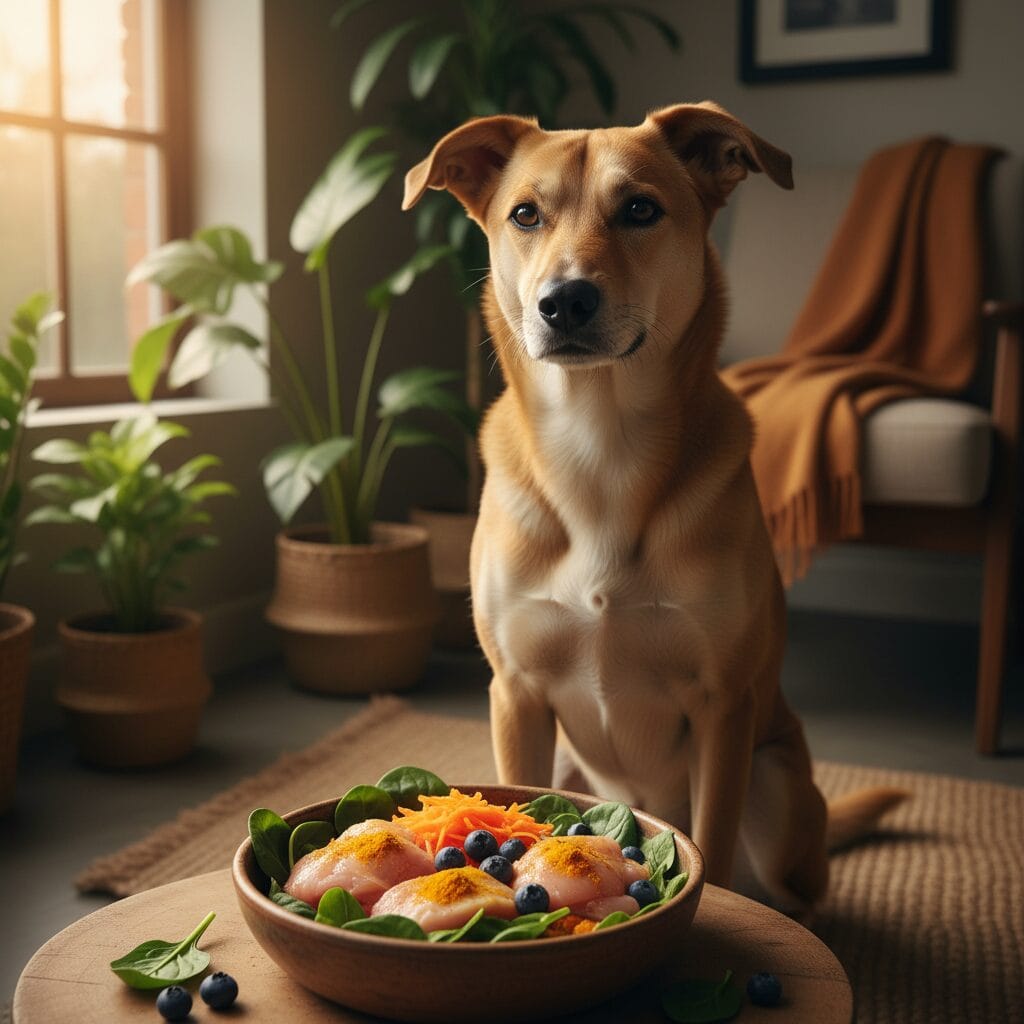
Ah, the Indian monsoon! That first whiff of petrichor, the relief from the scorching summer heat, the joy of watching your dog splash in puddles. But let’s be real, for us Indian pet parents, the monsoon also brings its own set of headaches. From muddy paws to mysterious skin flare-ups, gut upsets to a sudden dip in energy, this season can turn even the happiest dog into a bundle of worries. Look, as Mahiv Amit Chhabra, a certified canine nutritionist and the guy behind The Desi Carnivore, I’ve literally seen it all. And I’m here to tell you, monsoon dog care in India isn’t just about putting on a raincoat. It’s about a holistic, species-appropriate approach that starts from the inside out.
So, can your dog stay happy and healthy during the Indian monsoon? Absolutely, with the right approach. Here’s the thing, the short answer is: by focusing on a fresh, balanced diet that boosts immunity and gut health, getting on top of skin and coat issues with natural solutions, keeping their minds busy even when walks are shorter, and maintaining super good hygiene to combat the season’s challenges. It’s about adapting your dog’s care to our unique Indian climate and lifestyle, moving beyond the myths and embracing the science of the Desi Carnivore method.
The Monsoon Challenge: Why Indian Dogs Need Special Care
The monsoon isn’t just a season; it’s a total real fix for our dogs. The constant humidity, the dampness, less running around outside, and more bacteria and creepy crawlies around, which is just a perfect storm for health issues. So, why do we need to be super careful?
Humidity: A Breeding Ground for Trouble
India’s monsoon humidity, particularly in coastal cities like Mumbai or Chennai, is just brutal, yaar. This isn’t just uncomfortable; it makes a perfect breeding ground for fungi, yeast, and bacteria to have a party on your dog’s skin. A little itch? That can blow up fast, escalating into hot spots, ear infections, or more serious fungal conditions if you don’t jump on it.
Gut Health Under Siege
Monsoon means puddles, and puddles mean all sorts of nasty stuff. Dogs, being dogs, will drink from them or lick their paws after walking through them. This, combined with the general increase in bacteria floating around, can lead to tummy troubles, runny poops, or even parasitic infections. Their stomach acid, with a pH of 1-2, is pretty powerful, right? But even that can get overwhelmed if they’re constantly exposed, especially if their diet isn’t supporting strong gut health.
The Activity Dip & Mental Blues
Let’s face it, daily walks often get cut short or are totally off the cards when it’s absolutely pouring down. This less running around means loads of pent-up energy, boredom, and even bad behaviour. Keeping their brains busy? That’s super important to keep your dog happy and balanced, so they don’t chew up your sofa or get anxious.
Gut Health: Your Dog’s Monsoon Shield
A healthy gut is the absolute bedrock of a strong immune system. During the monsoon, when more nasty bugs are floating around, this gets even more critical, trust me. Many Indian pet parents often mess up by feeding “light” stuff like plain rice or kibble, thinking it’s better for a sensitive stomach. But let me tell you, that’s usually the exact opposite of what your dog actually needs. A big no, na?
Why Fresh Food Trumps Kibble for Gut Health
Kibble, with its super low moisture (we’re talking about 10%) and a ton of carbs, can actually really put a strain on your dog’s tummy. Dogs don’t have amylase in their saliva, so grains pretty much hit their stomach whole, which really makes their pancreas work overtime. Fresh food, on the other hand, is 70% water, super easy to digest (think 90-94% compared to kibble’s measly 80%), and gives them all these nutrients their gut bugs just love. This means smaller, firmer poops and way less stress on their whole system. Who doesn’t want that?
If your dog isn’t really keen on eating during the monsoon, don’t even think about forcing kibble down their throat. Instead, try to tempt them with something super tasty and nutrient-packed, like a warm homemade meal. Like mutton, for example. It’s a “warming” protein in Ayurveda, loaded with iron and zinc, which is just perfect for getting their strength back and making them hungry again. Adding a spoonful of curd can also introduce some good gut bugs.
Prebiotics: The Gut’s Best Friend
But hey, it’s not just about probiotics; prebiotics are super important too. Think of them as the good stuff that feeds all the friendly bacteria hanging out in their gut. My go-to, my absolute favourite for keeping tummies happy during monsoon, is Baobab Powder. It’s packed with prebiotic fibre and has 5-6 times more Vitamin C than oranges, giving them a huge immune boost. Seriously, it’s a real fix. Just a pinch mixed into their food can really help calm down upset tummies, whether they’re switching diets or just feeling a bit sensitive to the monsoon weather.
Skin & Coat: Battling the Itch and Funk
Alright, this section. This is where the monsoon *really* throws us a curveball. Itching, rashes, hot spots, and chronic ear infections just explode this time of year. And here’s the thing, the biggest myth I absolutely need to bust for my Desi Carnivore family: it’s *not* “chicken heat.”
The “Heat” Myth vs. Omega-6 Inflammation
A lot of Indian pet parents, I know, think chicken or eggs give their dogs “heat” (garmi), which then causes skin issues. But that’s a massive misunderstanding! What you’re *actually* seeing? It’s almost always Omega-6 inflammation. Look, the commercial chicken we get here in India, fed on corn and soy, has an Omega-6 to Omega-3 ratio that can shoot up to 20:1, sometimes even 30:1. And this just floods your dog’s system with inflammatory stuff, causing all that paw licking, those hot spots, and the itching you’ve been calling “heat.”
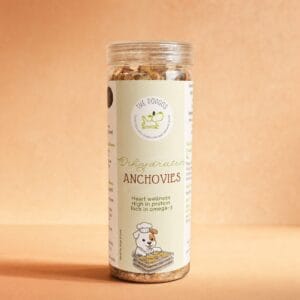
The fix isn’t to cut out chicken altogether (it’s actually a brilliant protein, by the way); it’s about getting those fats balanced. You *have* to add Omega-3 to every single chicken meal. No excuses. My absolute go-to? Hemp Seed Oil. It’s basically the king of GLA (Gamma-Linolenic Acid). GLA is a rare Omega-6 that acts as an anti-inflammatory, bypassing those usual pathways that a lot of dogs with atopic dermatitis just can’t handle. It directly calms down inflammation and keeps that skin barrier nice and moist. Big difference, na? And for those non-vegetarian homes, Dehydrated Anchovies are another powerhouse. Full of DHA and EPA, super important for fighting inflammation and keeping their brains sharp.
| Factor | Monsoon Impact | Desi Carnivore Solution |
|---|---|---|
| Humidity | Fungal/yeast infections, hot spots | Baobab Oil, Baobab Therapy Mask, Omega-3 balance (Hemp Seed Oil, Anchovies) |
| Pathogens | Gut upsets, parasites | Fresh, cooked meat; Baobab Powder; Probiotics (curd) |
| Reduced Activity | Boredom, pent-up energy | Long-lasting dehydrated chews (Mutton Trotters, Pig Bone) | Inflammation | “Heat” rashes, itching | Hemp Seed Oil, Dehydrated Anchovies (Omega-3 balance) |
External Care: Healing from the Outside In
Diet is key, obviously. But caring for them from the outside? That’s super important too. Please, for the love of all things holy, avoid heavy oils like coconut or mustard oil. They just trap heat and clog pores in this humid weather, making things worse. Instead, grab some Baobab Oil. Its special fatty acid profile (lots of Palmitic and Oleic acid) lets it soak deep into the skin, acting just like their skin’s natural barrier. It’s pretty amazing, actually. I’ve personally seen it zap fungal infections in 90 days, bring back hair where there was alopecia in two months, and dry out hot spots within 24 hours. It’s incredible! Need a really deep clean? The Baobab Therapy Mask is brilliant for detoxing and kicking fungus to the curb.
If your dog just won’t stop itching and you’re thinking allergies, then look into an elimination diet with a novel protein. And my absolute top recommendation for that? Whole Dehydrated Quail. Seriously. It’s a protein their body has probably never seen before, which is exactly what you need to hit the reset button on their system. Oh, and a cool bonus: the feathers actually act like a natural “colon sweep”. They scrub the intestinal walls and bulk up stool, which naturally helps express anal glands. Super helpful if your dog’s always scooting their butt on the carpet!
Joint & Bone Health in Damp Weather
You know, especially older dogs, they really feel that dampness in their joints. While it’s not a direct cause of arthritis, that discomfort can just get worse. So, getting enough calcium and supporting their joints? That’s absolutely non-negotiable. Period. And listen, a boneless home-cooked diet (you know, just chicken and rice) is seriously a recipe for disaster down the line. We’re talking calcium getting pulled right out of your dog’s own bones, leading to nasty stuff like osteopenia or even “Rubber Jaw” syndrome. Don’t risk it.
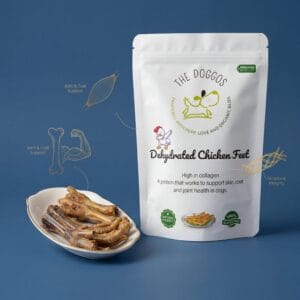
You need that calcium to phosphorus ratio to be a super precise 1.2:1. No wiggle room. Meat provides phosphorus, and bone provides calcium. But since we NEVER feed cooked bones (they shatter into dangerous splinters, remember?), the Desi Carnivore answer is Dehydrated Chicken Feet. Every single foot is like a natural joint pill, giving them about 450mg of glucosamine and chondroitin, plus that all-important calcium. And bonus, they’re brilliant for their teeth, scraping off plaque while your dog enjoys a good chew. My Lab goes crazy for these!
Mental Well-being: Beating the Monsoon Blues
When those outdoor adventures are pretty much a no-go, keeping their minds busy really steps into the spotlight. Boredom equals stress, and a stressed dog? More likely to get sick, including those annoying skin flare-ups. Chewing is a natural stress-reliever for dogs; it releases endorphins and serotonin, which basically makes them feel calm and super satisfied. Think of it as doggy meditation.
Instead of those sugary Marie biscuits or Parle-G (which, let’s be honest, rot their teeth and offer zero, I mean *zero*, nutritional value), offer them functional chews instead. Dehydrated Mutton Trotters or a Dehydrated Pig Bone give them hours of satisfying chewing, help clean their teeth, and deliver crucial minerals and collagen. They’re not just ‘treats’; they’re like mental health tools and dental hygiene all rolled into one amazing package. I get so many DMs about how these save sanity!
The “Desi Carnivore” Monsoon Diet: Cook the Meal, Dehydrate the Bone
Here’s the absolute core of our philosophy, and it’s super important, especially with the monsoon’s extra hygiene challenges. Look, I totally get the biological idea behind raw feeding; a dog’s stomach acid (pH 1-2) is built to handle nasty bugs. But honestly, practically speaking, in an Indian home, with our local wet markets, this humidity, and the very real risk of germs spreading onto your rugs, furniture, or even your face… feeding raw meat? That’s a risk I just can’t ethically sign off on. It’s too much, yaar.
This is why we “Cook the Meal, Dehydrate the Bone”:
- COOK the meat: Gently home-cook (a pressure cooker is perfect, by the way) to zap Salmonella and E. coli. Let’s be real, Indian wet markets aren’t like those fancy European supermarkets, are they? Bacteria multiply *super* fast in our humid weather.
- DEBONE after cooking: This is a life-or-death rule, guys. Seriously. NEVER, ever feed cooked bones. High heat makes them brittle, so they shatter into sharp, jagged splinters that can literally poke holes in their intestines, leading to fatal peritonitis. This is the super dangerous trap so many well-meaning Indian parents fall into when they pressure-cook chicken with bones and give it all to their dog. Please don’t.
- DEHYDRATED bones for calcium + dental health: Dehydration (low temperature, over 20 hours) keeps that porous bone structure intact. These bones, they just crumble into a safe, chalky powder. No splinters. This is our “Goldilocks” solution, you know? Not raw (too much hygiene risk), not cooked (splintering danger). This is how we make absolutely sure your dog gets their all-important calcium, safely. Finally, right?
For a truly complete and balanced monsoon meal, you might want to check out our Hemp Meal Balancer. It basically transforms a simple chicken-rice “survival meal” into a “thriving meal” by sorting out the amino acid and fat profile, giving them essential fatty acids, and adding that great prebiotic fibre.
Practical Monsoon Action Plan for Your Dog
My Monsoon “Itchy Dog Reset” Recipe
If your dog tends to get those monsoon skin issues or just needs a good gut reset, this recipe? It’s a godsend. Seriously. It’s simple, hypoallergenic, and loaded with anti-inflammatory power. What’s not to love?
Ingredients:
- 1 Whole Dehydrated Quail (novel protein, calcium, manganese, feathers for gut scrub)
- 50g steamed green beans (low-calorie fibre, vitamins)
- 1 tsp Baobab Powder (prebiotic, Vitamin C, immune boost)
- 1 tsp Hemp Seed Oil (anti-inflammatory GLA, skin barrier support)
Instructions:
- The Dehydrated Quail? No cooking needed, just give it to your dog to chew on. And that chewing action itself is super calming, releasing those feel-good endorphins.
- Steam the green beans until tender-crisp.
- Once cooled, mix the Baobab Powder and Hemp Seed Oil with the green beans.
- Serve alongside the whole quail.
This meal provides balanced nutrition, addresses inflammation, supports gut health, and offers mental enrichment through chewing.
Daily Monsoon Checklist:
- Diet Check: Make sure every chicken meal is balanced, okay? That means Omega-3 (Hemp Seed Oil/Anchovies) and calcium (Dehydrated Chicken Feet) every time.
- Skin Patrol: Check them daily for dampness, redness, or itching, especially in their paw pads, armpits, and ears. If you spot anything suspicious, dab some Baobab Oil on it right away. No waiting!
- Paw & Coat Hygiene: Wipe those paws really well after every walk, na? Sometimes, a quick rinse and dry is just necessary. And if your dog gets super muddy, think about a natural shampoo like our Baobab Therapy Mask once a week for a deep clean.
- Mental Games: Walks cut short? No problem. Get into indoor games, puzzle toys, or those amazing long-lasting chews (Mutton Trotters, Pig Bone) to burn off energy and keep boredom away. They love it.
- Hydration: Fresh food gives them more water, sure, but always make sure there’s fresh, clean water available. Always.
- Parasite Prevention: Stay super vigilant with your vet’s flea and tick prevention. These little pests just *love* humidity, don’t they?
Common Monsoon Mistakes Indian Dog Parents Make
- Feeding Cooked Bones: This is, hands down, the most dangerous mistake you can make. Cooked bones? They splinter. Always debone cooked meat, and *then* give dehydrated bones for safe calcium. Please, please remember this.
- Ignoring the Omega-6:3 Imbalance: Believing chicken causes “heat” and cutting out protein instead of just balancing the fats. This just leads to nutrient problems and ongoing inflammation. It’s a common trap.
- Exclusive Boneless Chicken & Rice: This is a straight-up recipe for Osteopenia and “Rubber Jaw”. Seriously. All because of severe calcium deficiency over time. Your dog *needs* calcium, and dehydrated bones are the safe way to give it to them.
- Over-Reliance on Kibble: High-carb, low-moisture kibble can make gut issues way worse and add to inflammation. Especially when their immune system is already fighting off monsoon bugs. Think about it.
- Using Heavy Oils for Skin: Coconut, olive, or even mustard oils? They can trap heat and clog pores in this humid weather, making skin conditions much, much worse. Just don’t. Go for absorbent oils like Baobab Oil instead.
- Neglecting Mental Stimulation: Less time outside doesn’t magically mean less energy, does it? Boredom just piles on stress, and then you get destructive behaviour. Nobody wants that.
- Delaying Action on Skin Issues: A tiny itch can turn into a full-blown infection in just hours during the monsoon. Seriously. So, act fast with the right diet and topical help. Want to know more about why your dog’s itching? You can check it out here.
Frequently Asked Questions About Monsoon Dog Care
Q1: Can my dog eat chicken during the monsoon in India?
A: Yes, absolutely! Chicken’s a really easy-to-digest protein. The main thing is to fix that Omega-6 imbalance you find in commercial Indian chicken. Always pressure cook it, debone it *completely*, and then add a good source of Omega-3, like Hemp Seed Oil or Dehydrated Anchovies, to every single meal. That’s what stops the “heat” (which is really Omega-6 inflammation) that many folks mistakenly blame on the chicken itself.
Q2: How can I prevent fungal infections and hot spots in my dog during the monsoon?
A: Look, preventing these things needs a few different steps. Inside, make sure your dog’s diet is balanced with Omega-3s to cut down on inflammation throughout their body. Outside, always dry them *really* well after walks, especially those paw pads and skin folds. Use absorbent, healing oils like Baobab Oil daily for skin protection. And if you need a deeper clean, try a Baobab Therapy Mask. For really stubborn, chronic problems, a new protein like Dehydrated Whole Quail can actually help reset their immune system. It works wonders.
Q3: My dog isn’t eating much during the monsoon. What should I do?
A: It’s pretty normal for appetites to drop a bit during monsoon, maybe because of the humidity or a mild tummy upset. Whatever you do, don’t force-feed kibble. Instead, offer them something super tasty, warm, and fresh. Mutton’s a fantastic option; it’s packed with iron and zinc, which can really get their appetite going. A little pinch of Baobab Powder can also help with digestion and give their immunity a boost. Smaller, more frequent meals might do the trick too. But if they’re not eating for more than a day or two, or if you see other symptoms, then it’s definitely time to call your vet.
Q4: Are dehydrated treats safe for dogs during the monsoon?
A: Yes, absolutely! Dehydrated treats, like the ones you find at The Doggos, are actually brilliant functional medicine during monsoon. They’re dried at low temperatures, so they’re super shelf-stable and hygienic, totally unlike raw bones. Chicken Feet give them glucosamine for their joints, Mutton Trotters keep their minds busy and clean their teeth, and Anchovies boost those all-important Omega-3s. They’re just perfect for indoor fun when you can’t go out, and they deliver crucial nutrients without any of the hygiene risks that come with raw stuff. What’s not to love, right?
Q5: Why does my dog itch more during the monsoon?
A: Your dog itching more during monsoon? That’s usually down to a few things: the higher humidity encourages yeast and fungus to grow on their skin, there are more allergens floating around outside, and then there’s that whole body inflammation often kicked off by an unbalanced Omega-6:3 ratio in their food. So, what do you do? Fix the diet with anti-inflammatory Omega-3s (think Hemp Seed Oil, Anchovies) and use topical stuff like Baobab Oil. That can really, really help with the itching. And don’t forget super good hygiene and drying their paws and fur properly after every single walk.
The Indian monsoon can be a tricky time for our dogs, no doubt. But with the Desi Carnivore method? You’re totally equipped to handle it like a pro. Seriously. Just focus on fresh, balanced, species-appropriate food, get the science behind those common myths, and use functional treats and supplements to keep them healthy from snout to tail. Your dog absolutely deserves to thrive, rain or shine!
Related Reading
- Read the complete Indian dog feeding guide.
- About the author: Mahiv Chhabra, certified canine nutritionist.