![Best Dehydrated Treats for Pug in India [2026]](https://thedoggos.in/wp-content/uploads/2026/03/best-dehydrated-treats-pug-india-featured.jpg "Best Dehydrated Treats for Pug in India [2026] 1")
Your Pug. That adorable snort, those irresistible wrinkles. They truly deserve the best, don’t they? But honestly, here in India, figuring out what’s genuinely healthy for our flat-faced pals can feel like navigating a maze. We’re constantly told, “Oh, just feed them biscuits,” or “Chicken and rice is fine.” But for a breed so prone to dental woes, skin fold troubles, and those tricky joint problems, “simple” usually just means “not enough”.
So, what’s the real scoop then? What are the **best dehydrated treats for your Pug in India**?
Here’s the quick answer: it’s all about **species-appropriate, single-ingredient dehydrated treats**. Seriously, they’re like functional medicine. Picture Dehydrated Chicken Feet for those joints, Dehydrated Anchovies for a super shiny coat and a sharp brain, and Dehydrated Mutton Trotters for keeping them mentally busy and their teeth sparkling clean. These aren’t just casual snacks, na? They’re really important parts of a healthy Desi Carnivore diet for your Pug.
Why Pugs Need More Than Just Biscuits: The Desi Carnivore Perspective
Pugs, they’re just special, aren’t they? And their unique bodies truly need a diet that tackles their specific needs. As a certified canine nutritionist, I’ve seen a ton of Pugs here in India struggling with issues that could totally be prevented, all because their parents just couldn’t get their hands on the right info.
The Pug Profile and Its Dietary Implications
- Brachycephalic Breed: Okay, those adorable flat faces? They mean crowded teeth and, yeah, sometimes breathing difficulties. So, chewing becomes super important for dental hygiene and for letting off some steam, you know?
- Prone to Obesity: Pugs are usually a bit less active than other breeds, and boy, do they love their food! High-calorie, nutrient-poor treats (like those commercial biscuits) are basically a fast track to a whole bunch of health problems. We don’t want that.
- Skin Folds & Allergies: And those charming wrinkles? They can totally trap moisture and bacteria, leading to yucky skin infections and hot spots. Your Pug’s diet plays a HUGE role in how healthy their skin barrier is. Honestly, a lot of what folks call ‘allergies’ are really just inflammatory reactions to a bad diet. Hard to believe, right?
- Joint Issues: Patellar luxation? Super common in Pugs. So, strong ligaments and healthy cartilage aren’t just nice-to-haves; they’re absolutely non-negotiable if you want your Pug moving well for years to come.
- Dental Health: Their compact jaws often mean crowded teeth, which makes them super prone to plaque and tartar. Kibble and soft treats? They do zilch. Real chewing, that’s the key. Period.
So, when you look at all that, just sticking to commercial kibble or those usual Indian household items, you know, like roti and Parle-G biscuits, is basically a recipe for chronic health problems down the line. These foods? They’re usually packed with carbs, sugar, and those nasty inflammatory Omega-6 fats, which just make all the problems Pugs are already prone to even worse. It’s a vicious cycle.
The Problem with Kibble and Commercial Treats for Your Pug
Let’s be real here: most commercial dog foods and treats you find in India? They’re actually pretty bad for your Pug’s health. They’re made for our convenience and for sitting on a shelf forever, not for how a dog’s body actually works.
- High Carbohydrate Load: Kibble, generally, is a whopping 50-70% carbs. And dogs? They’re carnivores. They don’t even have amylase in their saliva, which means grains and starches hit their stomach basically “whole”. This seriously strains their pancreas and can easily lead to digestive troubles and obesity. For a Pug, every single extra calorie and inflammatory ingredient really, really counts.
- Inflammatory Omega-6 Imbalance: Look, commercial Indian chicken, the kind that ends up in a lot of kibbles and even home-cooked meals, is usually fed corn or soy. This creates a crazy Omega-6:3 ratio, sometimes as high as 20:1 or even 30:1. What happens then? It just floods your Pug’s body with inflammatory stuff, showing up as paw licking, nasty hot spots in those skin folds, constant ear infections, and that “unexplained” itching. A lot of Indian parents mistake this for “heat” from chicken, but trust me, it’s pure inflammation. Nothing else.
- Sugar and Maida (Refined Flour): And get this, most commercial treats (yep, even the ones that look all ‘healthy’!) and everyday household stuff like Parle-G biscuits are just packed with sugar and maida. This isn’t just bad; it rots your Pug’s teeth, makes them gain weight, and totally fuels inflammation. Your Pug’s gut is built for quick protein processing, not for trying to ferment complex carbs. Their short intestinal transit time, usually 12-30 hours, tells you everything.
- Lack of Dental Benefit: Kibble and soft treats? They don’t clean teeth. Full stop. In fact, they often stick to teeth, just making dental problems worse. Your Pug really needs proper, abrasive chewing to scrape off that plaque and keep their gums healthy. No shortcuts here.
This is exactly where The Desi Carnivore method comes in. We offer a smart middle ground: “Cook the Meal, Dehydrate the Bone.”
The Desi Carnivore Solution: Dehydrated Treats as Functional Medicine for Pugs
Dehydrated treats aren’t just little snacks, I promise you. They’re powerful, functional medicine. And unlike raw bones (which, let’s be honest, come with hygiene risks in our Indian homes) or cooked bones (which, seriously, shatter into deadly splinters), dehydration keeps the bones and meat porous and safe. That makes them absolutely perfect for your Pug.
Top Dehydrated Treats for Your Pug in India
-
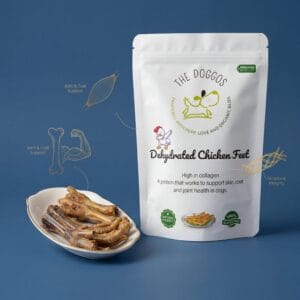
Dehydrated Chicken Feet: Your Pug’s Joint & Dental Pill
Pugs are, unfortunately, prone to patellar luxation and general joint stiffness as they get older. But chicken feet? They’re a natural powerhouse of glucosamine and chondroitin (we’re talking about 450mg per foot!), which is absolutely essential for fixing cartilage and keeping those joints moving smoothly. And it’s not just about joints; the rough texture of a dehydrated chicken foot works like a natural toothbrush, literally scraping plaque off your Pug’s crowded teeth and making their gums stronger. Total win-win: a joint supplement and a dental chew all in one! (My own Indie dogs absolutely love these, by the way).
-
Dehydrated Mutton Trotters: The Ultimate Mental Enrichment & Dental Scrubber
Need a longer-lasting chew that really gets your Pug excited? Mutton Trotters are just fantastic. That whole act of gnawing on a trotter actually releases endorphins, making your Pug calmer and, well, happier. And this is super important for cutting down stress, which, believe it or not, can even help with skin issues. Plus, they’re packed with collagen, so they’re great for skin elasticity and a healthy coat. These aren’t just toys; they’re serious dental tools, getting right into those tight spots in a Pug’s mouth and giving those teeth a proper clean.
-
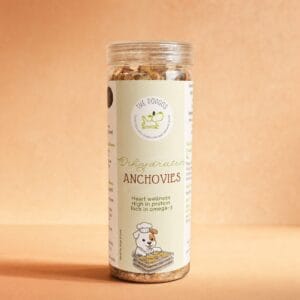
Dehydrated Anchovies / Sardines: Brain Food & Skin Saviour
Remember those skin folds and all that potential inflammation we talked about? Well, anchovies and sardines? They’re absolutely loaded with DHA (that’s Docosahexaenoic Acid), a really powerful Omega-3 fatty acid. DHA isn’t just critical for brain development (it seriously makes puppies so much easier to train!), it also helps prevent Cognitive Dysfunction Syndrome in our senior Pugs. But even more important for Pugs, Omega-3s are super anti-inflammatory. They’re like little warriors, helping fight off that Omega-6 overload from commercial chicken, which means less itching, fewer hot spots, and a much better skin barrier. We dehydrate them specifically to keep the smell down, so they’re perfect even if you live in a vegetarian household.
-
Dehydrated Goat Ears: Fiber for Gut & Glands
Goat ears? They’re a fantastic dental chew, for sure. But they’ve got this awesome extra perk: the fur on them gives insoluble fibre. Think of it like a little ‘colon sweep,’ gently scrubbing the intestinal walls and bulking up your Pug’s stool. This naturally helps express those anal glands. Honestly, if your Pug is doing a lot of scooting, a goat ear can be a surprisingly effective, natural fix. Who knew?
-
Dehydrated Whole Quail: The Hypoallergenic Super-Prey
Now, if your Pug is really struggling with a bunch of sensitivities, a whole dehydrated quail? That can be a total game-changer. It’s what we call a ‘novel protein,’ meaning your Pug’s immune system has probably never seen it before, which makes it perfect for elimination diets. And because it’s a whole-prey item, you get that perfectly balanced calcium:phosphorus ratio, plus manganese for super strong ligaments (to help prevent those awful CCL tears), and even feathers that act like an internal scrub for their gut. Chewing a whole quail is also just incredibly enriching for them. It’s a full experience.
The Critical Role of Supplements for Pug Health
Beyond treats, certain supplements are absolutely non-negotiable for a thriving Pug, especially when you’re feeding a home-cooked diet.
-
Hemp Seed Oil: Anti-Inflammatory King for Pug Skin
Okay, this stuff? It’s liquid gold for Pugs. Hemp Seed Oil is just packed with GLA (that’s Gamma-Linolenic Acid), a pretty rare Omega-6 that actually works as an ANTI-inflammatory. A lot of Pugs with skin issues, like Atopic Dermatitis or constant itching, often can’t properly process normal fats. GLA totally bypasses that problem, directly cutting down inflammation and keeping their skin barrier moist and super healthy. It’s like medicine for dry, cracking paws, dandruff, and those inflamed skin folds. Bonus: it even has a mild calming effect, which is perfect for Pugs who tend to get a bit anxious. I swear by it.
-
Baobab Oil: Targeted Skin Healing for Pug Wrinkles
Baobab Oil is different. Unlike those heavy oils that just kind of sit on the skin, this one has a really unique fatty acid mix that absorbs deep, deep INTO the skin’s layers. It basically mimics your Pug’s natural lipid barrier, so it heals from the inside out. For Pugs dealing with hot spots in their folds, nasty fungal infections, or just general skin irritation, honestly, a few drops massaged gently can do absolute wonders. We’ve literally seen fungal infections disappear and hot spots dry up in just 24 hours. Incredible, right?
Dehydrated Treats vs. Commercial Biscuits for Pugs: A Comparison
Let’s put it simply. The choice is clear when you understand the nutritional impact.
| Feature | Commercial Biscuits (e.g., Parle-G, Marie) | The Doggos Dehydrated Treats |
|---|---|---|
| Ingredients | Maida (refined flour), sugar, fake flavours, preservatives | Single-ingredient, 100% real meat, bone, or fish (think chicken foot, anchovy) |
| Nutritional Value | Empty calories, tons of carbs, inflammatory Omega-6, no real protein/fat balance at all | High-quality protein, species-appropriate fats, balanced minerals (like calcium, phosphorus), natural vitamins (DHA, glucosamine) |
| Dental Health | Contributes to plaque, tartar, tooth decay (they just stick to teeth!) | Natural abrasion cleans teeth, scrapes off plaque, strengthens gums, prevents tartar |
| Joint Health | None, just adds to obesity (which stresses their joints) | Natural glucosamine & chondroitin (from Chicken Feet), collagen (from Mutton Trotters) |
| Skin & Coat Health | Inflammatory Omega-6 can totally worsen itching, hot spots | Anti-inflammatory Omega-3 (from Anchovies), GLA (from Hemp Seed Oil), skin-healing fatty acids (from Baobab Oil) |
| Digestibility | Low, high carbs strain the pancreas, means big, smelly stools | Super digestible protein, smaller, firmer stools, way better nutrient absorption |
| Mental Enrichment | Minimal, gone in a flash | Engaging chewing, releases endorphins, cuts down stress and boredom |
| “Heat” Myth | Doesn’t apply directly, but high carb/sugar can totally trigger inflammation | Tackles actual Omega-6 inflammation, helps balance fats |
The Desi Carnivore Method for Your Pug’s Daily Meals
Treats are super important, no doubt, but the real foundation? That’s the daily meal. For your Pug, consistency and balance are absolutely key. Can’t stress that enough.
Cook the Meal, Dehydrate the Bone for Pugs
Here in India, raw feeding just comes with some big hygiene risks. Our wet markets and that humid climate we have? They mean bacteria like Salmonella and E.coli can multiply super fast. Sure, a dog’s stomach acid (pH 1-2) is tough and can handle pathogens, but bringing raw meat into *your* home? That’s a cross-contamination risk we really can’t ignore, yaar.
So, because of all that, we strongly suggest gently home-cooking the meat (a pressure cooker is honestly the best way) to kill off bacteria. But listen up: **NEVER, ever feed cooked bones.** High heat makes bones super brittle, and they’ll just shatter into sharp splinters that can literally perforate intestines. It’s a really common, super dangerous mistake a lot of well-meaning Indian parents make. Please don’t do it.
For calcium and dental health, rely on **dehydrated bones/chews**. Our dehydration process (low temp, 20+ hours) retains the porous bone structure, allowing them to crumble safely into a chalky powder that dissolves in your Pug’s acidic stomach.
The Two Golden Rules of Every Pug Bowl
- Calcium:Phosphorus Ratio (1.2:1): This? It’s totally non-negotiable. Meat’s got loads of phosphorus, but if there isn’t enough calcium, your Pug’s body will actually steal calcium from its *own* bones. That leads to osteopenia and something called “Rubber Jaw” syndrome over time. For Pugs, this is even more critical, considering they’re already prone to joint issues. So, fix it! Just add Dehydrated Chicken Feet, Whole Quail, or even a calcium supplement like eggshell powder to their boneless meat meals.
- Omega-6:3 Balance: Like we talked about, commercial Indian chicken is really, really heavy on those inflammatory Omega-6s. So, to fight off all that itching, paw licking, and skin trouble that Pugs so often get, you **MUST** add Omega-3 to *every* chicken meal. Hemp Seed Oil or Dehydrated Anchovies? They’re your balancers, not just some optional “toppers.” They’re essential, basically.
A Simple Pug-Friendly Meal Recipe: Golden Chicken Bowl
Alright, this is a basic, foundational meal, but you can totally tweak it for your Pug. Portion sizes will obviously change depending on your Pug’s age, how active they are, and their weight. Just check out our full feeding guide or even your Pug’s specific breed guide (like the Labrador diet plan, for general principles) to get the quantities just right.
Ingredients:
- 250g Chicken Thighs (skin-on, bone-in for that important taurine)
- 25g Chicken Liver (super crucial for Vitamin A)
- 50g Red Pumpkin (for fibre and those good antioxidants)
- 1/2 tsp Turmeric Paste (great for anti-inflammation)
- 1-2 tsp The Doggos Hemp Meal Balancer (for all those complete amino acids & fibre)
- 1-2 tsp Hemp Seed Oil (to balance those Omega-3s)
Instructions:
- Give the chicken and liver a good wash with turmeric water (it’s a natural antiseptic, you know).
- Pressure cook those chicken thighs, liver, and pumpkin with turmeric for about 2-3 whistles, until everything’s really well cooked.
- CRITICAL STEP: You HAVE to DEBONE THE CHICKEN. Get ALL those bones out.
- Mash the pumpkin right into the broth and shredded chicken.
- Once it’s cooled down, mix in the Hemp Meal Balancer and Hemp Seed Oil.
- Serve it up with a side of 1 Dehydrated Chicken Foot (for that essential calcium!) a few times a week, or use it as their daily calcium source.
Common Mistakes Indian Pug Parents Make
Look, it’s super easy to fall into these traps, especially with so much confusing info floating around out there. So, here are the absolutely critical mistakes you need to avoid:
- Feeding Cooked Bones: I just can’t stress this enough. Cooked bones are deadly. They splinter. Always, always debone cooked meat. There’s no exception.
- Boneless Chicken + Rice Only: Just giving boneless chicken and rice? That’ll lead to a serious calcium deficiency over time, causing weak bones and dental problems. You’ve got to balance it with a safe calcium source, like dehydrated bones or eggshell powder. Want to know more about bones safety? Check it out here: Can Dogs Eat Bones?
- Treating “Heat” with Vegetarian Diets: That “heat” you’re seeing (the itching, the rashes)? It’s almost always Omega-6 inflammation, usually from commercial chicken. Switching a carnivore like a Pug to a vegetarian diet just starves them of vital nutrients. It’s not the solution.
- Relying on Kibble & Biscuits for Dental Health: Kibble doesn’t clean teeth, period; it actually often makes plaque worse. And biscuits? They’re just sugar and maida, nothing more. Your Pug really needs real chewing on the right kind of dehydrated chews. Want more info? Read these: Is Roti Good For Dogs? and Dehydrated Treats vs. Commercial Treats.
- Overfeeding and Ignoring Portion Control: Pugs are super prone to obesity. So, every single treat and meal needs to be portioned correctly. Seriously. Always factor in treats when you’re figuring out their daily calories, okay?
FAQ: Best Dehydrated Treats for Pug in India
Q: Can Pugs eat bones safely?
A: Yes, absolutely, but only if they’re raw or dehydrated bones. And listen, **NEVER, ever feed cooked bones**! They just get brittle and can splinter, which can cause terrible, fatal internal injuries. Dehydrated bones, like Chicken Feet or Whole Quail, are perfectly safe and give your Pug essential calcium and fantastic dental benefits.
Q: Are dehydrated treats good for my Pug’s dental health?
A: Absolutely! Think of dehydrated chews as natural toothbrushes for your Pug. They physically scrape off plaque and tartar from their teeth while they chew. This is way, way more effective than kibble or soft treats, which, honestly, often just make dental problems worse. Plus, all that chewing strengthens their jaw muscles and gets their saliva flowing, which helps even more with oral hygiene.
Q: My Pug itches a lot. Can dehydrated treats help?
A: Oh, yes, they can be a huge part of the solution! A lot of times, that ‘itching’ in Pugs (especially here in India) comes from inflammation. It’s usually because of an imbalance of Omega-6 and Omega-3 fatty acids in their diet, you know? But Dehydrated Anchovies are just packed with anti-inflammatory Omega-3s, and Hemp Seed Oil gives them anti-inflammatory GLA. Adding these into their diet can seriously cut down on the itching and make their skin way, way healthier. Want to know more? Go read Why is my dog always itching?
Q: How often should I give my Pug dehydrated treats?
A: Well, it totally depends on the treat, your Pug’s whole diet, and how active they are. You can give smaller treats, like anchovies, daily to boost their Omega-3s. Chews such as Chicken Feet are good 3-4 times a week for calcium and joint help. And for those longer-lasting chews, like Mutton Trotters, 1-2 times a week is great for mental enrichment and a really intense dental cleaning. Just always make sure to count treats towards their daily calories, so they don’t get overweight, okay?
Q: I heard chicken causes “heat” in dogs. Is that true for Pugs?
A: That ‘heat’ myth? It’s definitely a misunderstanding. What you’re probably seeing is an inflammatory reaction to all that high Omega-6 in commercial Indian chicken. This inflammation shows up as rashes, itching, or hot spots. It’s not actually ‘thermal heat,’ you know? But by balancing your Pug’s diet with anti-inflammatory Omega-3s, say from Hemp Seed Oil or Dehydrated Anchovies, you can totally sort out these problems without having to stop feeding chicken, which is actually a really great protein source.
Your Pug really deserves to thrive, not just barely survive. And by totally embracing The Desi Carnivore way of thinking, with cooked meat and dehydrated bones, and by picking functional, species-appropriate treats, you can genuinely tackle their unique needs. This means a healthier, happier life for them. Go on, check out our full range of dehydrated dog treats and hemp supplements, all made specifically to support your Pug’s well-being. They’re worth it.
Disclaimer: While I am a certified canine nutritionist, this information is for educational purposes only and is not a substitute for professional veterinary advice. Always consult your vet for specific health concerns or before making significant changes to your dog’s diet, especially if they have pre-existing medical conditions.