![Best Supplements for Mudhol Hound in India [2026]](https://thedoggos.in/wp-content/uploads/2026/03/best-supplements-mudhol-hound-india-featured.jpg "Best Supplements for Mudhol Hound in India [2026] 1")
The Mudhol Hound, India’s regal sighthound, is a powerhouse of speed and agility. Seriously. But are you *really* fuelling that magnificent physique for peak performance? Or are you just grabbing generic supplements, crossing your fingers, and hoping for the best? Look, as The Desi Carnivore, I see it all the time. Too many Mudhol parents accidentally mess up their dog’s health with quick fixes instead of actually getting to the bottom of their nutritional needs.
So, what *are* the best supplements for a Mudhol Hound here in India? Here’s the thing, the “best supplements” aren’t always those pills you see on the shelf. Nope. They’re actually a mix of a fresh, species-appropriate diet, some specific whole foods, and certain balancers that tackle the unique challenges of feeding an active Indian dog. For your Mudhol, this means really focusing on joint health, keeping that skin and coat looking great, and making sure they have steady energy. All of this gets balanced through what I call the “Cook the Meal, Dehydrate the Bone” approach. It just works.
Understanding Your Mudhol Hound’s Core Needs
Your Mudhol Hound? Total lean, athletic machine. Built for speed and endurance, no doubt. But this also means their nutritional needs are a bit different from, say, a couch-potato Pug or a sturdy Labrador. Those long limbs and powerful muscles? They put some serious demands on their joints, ligaments, and skeletal system. And because they’re an indigenous breed, they typically do best on a diet that respects their natural carnivorous biology, while also fitting into our Indian climate and local food sources, na?
Honestly, I’ve seen too many Mudhols struggle. Chronic issues like arthritis starting way too early, dull coats, or that annoying, unexplained itching. All of it, just because their diet isn’t giving them the basic nutrients they actually need. We really need to look past what’s just in the bowl, don’t we? And understand the *why* behind these problems.
Joint Health: The Foundation for an Active Hound
A Mudhol Hound’s life is all about moving. And moving fast. Those long strides and impressive jumps? They mean their joints are *constantly* working. Over time, all that wear and tear can absolutely lead to inflammation, pain, and nasty stuff like arthritis. So, really, proactive joint support isn’t just an option here. It’s a must-have.
**Why it matters:** Glucosamine and chondroitin? They’re basically the LEGO blocks for healthy cartilage. They help keep joints lubricated and springy. Without enough of them, that cartilage can start to break down, bringing on stiffness and pain. Manganese is super important too, you know? It keeps ligaments strong, which can really help stop those common injuries like CCL (cranial cruciate ligament) tears.
| Nutrient/Source | Benefit for Mudhol Joints | The Doggos Solution |
|---|---|---|
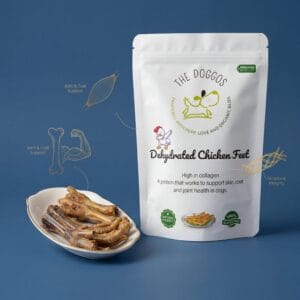
| **Glucosamine & Chondroitin** | Cartilage repair, joint lubrication, anti-inflammatory | Dehydrated Chicken Feet (450mg glucosamine per foot), Dehydrated Mutton Trotters |
| **Manganese** | Ligament strength, bone formation, connective tissue integrity | Dehydrated Whole Quail (whole-prey source) |
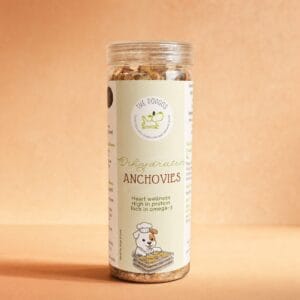
| **Omega-3s** | Reduces inflammation, supports joint mobility | Hemp Seed Oil, Dehydrated Anchovies |
| **Collagen** | Supports tendons, ligaments, and cartilage | Dehydrated Mutton Trotters (rich in natural collagen) |
**My Take:** Don’t just sit around waiting for your Mudhol to start looking stiff. Get natural joint support in there *early*. Honestly, a couple of our Dehydrated Chicken Feet a week? They’re like a natural joint pill, packing in loads of glucosamine and chondroitin. And for that absolutely essential manganese, nothing, and I mean *nothing*, beats the whole-prey goodness you get from a Dehydrated Whole Quail. These aren’t just some casual snacks; they’re functional medicine, pure and simple.
Skin, Coat & Gut Health: Tackling Indian Climate Challenges
A lot of Mudhols, just like plenty of other Indian dogs, can end up with skin issues. You know the drill: dry patches, relentless paw licking, hot spots, or just a really dull coat. Owners usually point fingers at “heat” from chicken or eggs. But, and I’ve said this a million times, what most people here call “heat” is actually an Omega-6 inflammation spike. It often gets way worse because of our crazy high humidity and the bacterial load in our environment.
**Why it matters:** Look, a healthy gut is your dog’s absolute first defence against any skin problems. If their gut microbiome is all out of whack, that inflammation can totally show up on their skin. And the Omega-6:3 ratio in commercial Indian chicken? It’s often insane, like 20:1 or even 30:1. This just *floods* their body with fats that cause inflammation. *That’s* why your dog gets those rashes and itchy paws, not some mysterious “thermal heat.”
| Nutrient/Source | Benefit for Mudhol Skin/Coat/Gut | The Doggos Solution |
|---|---|---|
| **Omega-3s (EPA/DHA)** | Anti-inflammatory, reduces itching, promotes healthy skin barrier | Hemp Seed Oil, Dehydrated Anchovies, Dehydrated Sardines |
| **GLA (Gamma-Linolenic Acid)** | Rare Omega-6 that is anti-inflammatory, bypasses enzyme issues in atopic dogs | Hemp Seed Oil (King of GLA) |
| **Prebiotic Fibre** | Feeds beneficial gut bacteria, improves digestion, supports immune system | Baobab Powder, Hemp Meal Balancer |
| **Baobab Oil** | Absorbs into epidermis, heals skin from inside out, anti-fungal | Baobab Oil, Baobab Paw & Nose Balm |
| **Vitamin C** | Immune shield, collagen synthesis for elastic skin | Baobab Powder (5-6x more than oranges) |
**My Take:** For a Mudhol here in India, getting those Omega-6s balanced? It’s absolutely crucial. Every. Single. Chicken meal needs Omega-3s. Our Hemp Seed Oil is a total game-changer, honestly. Especially because it’s got GLA, this unique anti-inflammatory Omega-6 that really goes after dry, flaky skin and that constant paw licking. For topical stuff, just forget coconut oil; Baobab Oil actually penetrates and heals. It mimics your dog’s natural lipid barrier, which is brilliant. I’ve personally seen fungal infections vanish and hot spots dry up in just a few days with it. It’s truly amazing. (My Lab goes crazy for this, by the way.)
Energy, Recovery & Mental Well-being
Mudhol Hounds are high-energy dogs. Full stop. They need consistent fuel, super-efficient recovery after all that intense activity, and, of course, plenty of mental stimulation.
**Why it matters:** Iron and zinc? They’re absolutely crucial for making red blood cells, moving oxygen around, and keeping the immune system strong. This is super important for active dogs, or if they’re bouncing back from something like tick fever. Good nutrition also helps keep blood sugar steady, which basically means a calmer, more focused dog. And chewing? That’s a natural stress reliever, releasing all those happy endorphins. Who doesn’t love that?
| Nutrient/Source | Benefit for Mudhol Energy/Recovery | The Doggos Solution |
|---|---|---|
| **Iron & Zinc** | Red blood cell production, immunity, energy levels, tick fever recovery | Mutton (3x iron, 4x zinc vs chicken), Bone and Organ Boost (organ meats) |
| **Taurine** | Heart health, eye function, muscle contraction | Organ meats (heart), dark meat chicken (thighs) |
| **Complete Amino Acids** | Muscle repair, overall vitality | Meat, Hemp Meal Balancer |
| **DHA (Omega-3)** | Brain health, cognitive function, mood regulation | Dehydrated Anchovies, Dehydrated Sardines, Hemp Seed Oil |
| **Chewing Activity** | Mental enrichment, stress relief, dental health | Dehydrated Mutton Trotters, Dehydrated Pig Bone, Dehydrated Goat Ears |
**My Take:** For Mudhols that are really active or maybe getting over an illness, mutton is my absolute go-to “recovery meat.” Our Dehydrated Mutton Trotters aren’t just for sparkling teeth, you know? They’re loaded with collagen and marrow, perfect for strong recovery. And for daily mental enrichment, a solid chew like a Dehydrated Pig Bone or a Dehydrated Goat Ear gives them hours of satisfying, stress-reducing activity. It’s a win-win.
The “Desi Carnivore” Method for Your Mudhol Hound
Forget that Western BARF diet. Seriously. Here in India, with our humid climate and all those wet markets, raw feeding is just a cross-contamination nightmare. My philosophy, “Cook the Meal, Dehydrate the Bone,” is hands down the safest and most biologically sensible way to feed your Mudhol Hound. Period.
1. **COOK the Meat:** Gently home-cook your chicken, mutton, or quail. A pressure cooker? Perfect for this. Why? Because this step kills off harmful bacteria like Salmonella and E.coli, which, let’s be real, are *rampant* in Indian wet markets. Sure, your Mudhol’s stomach acid (pH 1-2) *can* handle pathogens, but your kitchen and your family absolutely cannot. This isn’t just a suggestion; it’s a non-negotiable hygiene step. Don’t skip it.
2. **DEBONE After Cooking:** This is absolutely critical. And I mean NEVER feed cooked bones. High heat makes bones super brittle, you know? They splinter into sharp, jagged shards that can easily perforate your Mudhol’s intestines. This is a fatal mistake I see so many Indian parents make, just pressure-cooking chicken with bones and serving it all up. Please, don’t do it.
3. **DEHYDRATED Bones for Calcium & Dental Health:** This is actually the Goldilocks solution, if you ask me. Dehydration (that’s low temperature, over 20 hours) keeps the bones’ porous structure intact. They’ll crumble safely into a chalky powder, giving your dog essential calcium and phosphorus without any splintering risk. This is exactly where our Dehydrated Chicken Feet or Dehydrated Whole Quail shine.
The Two Golden Rules of Every Bowl (Especially for Mudhols)
No matter what you’re feeding, these two rules just *have* to be met:
1. **Calcium:Phosphorus Ratio (1.2:1):** Meat is great, but it’s loaded with phosphorus and pretty low on calcium. So, if you’re just doing a boneless home diet (like only chicken and rice), you’re basically setting your Mudhol up for osteopenia and something called “Rubber Jaw” syndrome down the line. That’s where their body starts stealing calcium from its own bones.
Not good.
* **Fix:** Simple. Add dehydrated bones (Chicken Feet, Whole Quail) or a carefully measured amount of eggshell powder/calcium citrate to *every single meal*.
2. **Omega-6:3 Balance:** Like we talked about, commercial Indian chicken is packed with inflammatory Omega-6s.
* **Fix:** You *have* to add Omega-3s to every chicken meal. Our Hemp Seed Oil or Dehydrated Anchovies aren’t just fancy “toppers,” you know? They’re essential “balancers” that really fight off inflammation and keep overall health in check.
A Practical Feeding Plan for Your Mudhol Hound
So, here’s how I’d personally tackle feeding a Mudhol Hound, bringing in the best “supplements” (which, let’s be real, are often just whole foods and balancers) into their daily meals:
Daily Staple: The “Golden Chicken Bowl” with Balancers
This bowl? It’s the absolute base of your Mudhol’s diet, making sure they get essential protein and those all-important balanced fats.
* **Ingredients:**
* 500g bone-in, skin-on chicken thighs (cooked; gives them taurine and healthy fats)
* 50g chicken liver (cooked; super vital Vitamin A)
* 100g red pumpkin (cooked and mashed; full of fibre and vitamins)
* 1-2 tsp Hemp Seed Oil (for Omega-3 balance, that anti-inflammatory GLA)
* 1 tbsp Hemp Meal Balancer (complete amino acids, prebiotics, even more balanced fats)
* Pinch of turmeric paste (a natural anti-inflammatory)
* 1-2 Dehydrated Chicken Feet (for that crucial Ca:P ratio and glucosamine) OR a carefully measured amount of eggshell powder.
* **Method:**
1. Wash your chicken and liver with turmeric water.
2. Pressure cook the chicken, liver, and pumpkin for 2-3 whistles. Easy.
3. Once it’s cooled, **DEBONE** that chicken completely. No bones for your Mudhol! Mash the pumpkin right into the broth.
4. Mix in the Hemp Seed Oil, Hemp Meal Balancer, and turmeric paste.
5. Serve it up with 1-2 Dehydrated Chicken Feet on the side. They’re not just a treat; they’re a functional chew and a great calcium source.
Weekly Rotations & Targeted Support
Try rotating proteins and adding specific functional foods. It’s great for variety and getting those targeted benefits.
* **Mutton Strength Stew (1-2 times a week):**
* Swap the chicken for 500g of goat curry cut. Throw in 100g of sweet potato. Pressure cook for 4-5 whistles.
* Once it’s cooked and cooled, **DEBONE**. Then, stir in a handful of wilted spinach (the residual heat is totally enough).
* Finish it off with 1-2 Dehydrated Anchovies for those extra Omega-3s, DHA, and iron.
* This stew? It’s absolutely brilliant for recovery, especially if your Mudhol’s been super active or is bouncing back from something like tick fever. Mutton is actually a “warming” protein in Ayurveda, and it truly helps rebuild their strength. (I’ve seen this work with Indie dogs, especially!)
* **Whole Quail Day (1-2 times a month):**
* Just offer a Dehydrated Whole Quail as a full meal. This gives them novel protein, manganese for those ligaments, and even feathers for a bit of gut scrubbing. Best part? No cooking needed!
* Serve it alongside some steamed green beans and 1 tsp Baobab Powder for a little immune boost and prebiotics.
* **Dental & Mental Enrichment (Daily/Every Other Day):**
* Give them a safe chew, something like a Dehydrated Mutton Trotter or a Dehydrated Pig Bone. These aren’t *only* for cleaning teeth, you know? The actual act of chewing is incredibly enriching and a huge stress-reliever for active dogs like Mudhols. It’s a lifesaver for their mental well-being.
* **Topical Skin Support:**
* Got dry patches, hot spots, or hyperkeratosis (that crusty nose)? Just apply a few drops of Baobab Oil directly. It absorbs beautifully and really heals from the inside out. And our Baobab Paw & Nose Balm? Perfect for cracked paws and noses. Honestly, it’s magic.
Remember this: fresh food is about 70% water. So, don’t freak out if your Mudhol drinks less water. It’s totally normal, and actually good for their kidney health. Oh, and expect smaller, firmer stools too. Why? Because fresh food is a whopping 90-94% digestible, compared to kibble’s roughly 80%. That’s a big difference.
Common Mistakes Indian Dog Parents Make with Mudhol Hounds
I see these mistakes happening again and again, and they seriously mess with your Mudhol’s health:
1. **Feeding Cooked Bones:** This is, hands down, the *most* dangerous mistake. Like I’ve said already, cooked bones splinter. Please, just don’t do it. Ever. Use dehydrated bones instead. You can dive deeper into bone safety here: Can Dogs Eat Bones? The Ultimate Indian Guide.
2. **Boneless Chicken & Rice Diets:** This one? It slowly, but surely, leads to a really severe calcium deficiency over time, making bones and teeth weak. It’s just not a complete diet. You *have* to balance that Ca:P ratio.
3. **Ignoring Omega-6:3 Imbalance:** Believing that whole “heat” myth and then totally avoiding chicken instead of just balancing the fats? That’s actually doing your Mudhol a huge disservice. Chicken is a fantastic protein source! It just needs the right balancers, yaar. This is a big reason for all that chronic itching, by the way: Why Is My Dog Always Itching?.
4. **Kibble as the Primary Diet:** Kibble is super processed, loaded with carbs, and really low on nutrients your dog can actually use. It also bumps up their stomach pH, which makes dogs more prone to infections and poor digestion. Remember, your Mudhol’s digestive system was built for meat, not fermenting grains.
5. **Roti/Chapati as a Mainstay:** Your Mudhol doesn’t have amylase in their saliva, you know? So, those grains basically hit their stomach “whole,” putting a real strain on their pancreas. It’s just empty calories, and can absolutely contribute to gut problems. Want to learn more? Check these out: Is Roti Good for Dogs? and Can Dogs Eat Chapati?.
6. **Treats as Just Snacks:** Our dehydrated treats? They’re way more than just snacks. They’re functional medicine, full stop. Think of them as joint pills, dental tools, brain food, and mental enrichment all rolled into one. Don’t just give them for being “good”; give them for actual health! Dive into why they’re so good here: Are Dehydrated Treats Good for Dogs?.
Frequently Asked Questions About Mudhol Hound Supplements in India
Q1: Is a vegetarian diet suitable for a Mudhol Hound?
Absolutely not. And I mean *absolutely* not. Mudhol Hounds, like every single dog out there, are biologically carnivores. Their whole digestive system is built for meat: super low pH 1-2 stomach acid, zero salivary amylase, and short intestines that are perfect for quickly processing protein. A vegetarian diet for a Mudhol will, without a doubt, lead to nutritional deficiencies, poor muscle mass, and seriously compromised health as time goes on. It’s just completely against their nature, you know?
Q2: Can I give my Mudhol human supplements like fish oil or glucosamine tablets?
You *can* use some human-grade supplements, sure, but honestly, it’s almost always better to go for dog-specific stuff or, even smarter, whole-food sources. Human supplements might have dosages that are all wrong, or inactive ingredients that just aren’t good for dogs. For Omega-3s, I personally lean towards Hemp Seed Oil or Dehydrated Anchovies. They’re safe, they work great, and they give other good compounds too. And for glucosamine, our Dehydrated Chicken Feet are a natural, super bioavailable source that also helps clean their teeth. Win-win.
Q3: My Mudhol gets “heat” from chicken. Should I stop feeding it?
No, please don’t stop feeding it! The “heat” you’re seeing? It’s pretty much always an Omega-6 inflammatory response, not actual thermal heat. Commercial Indian chicken is just packed with those pro-inflammatory Omega-6s. So, the fix isn’t to cut out chicken altogether (it’s a great protein, after all!), but to balance those fats. Just add 1-2 tsp of Hemp Seed Oil or a few Dehydrated Anchovies to *every single* chicken meal. Do that, and you’ll probably see those “heat” symptoms just vanish.
Q4: How do I know if my Mudhol Hound needs supplements?
Here’s a good rule of thumb: If your Mudhol is on an all-kibble diet, or a boneless home-cooked diet that isn’t properly balanced, they almost definitely need “supplements” – meaning whole foods and balancers. Signs like a dull coat, constant itching, paw licking, stiff joints, low energy, or getting sick often? Those are all pretty big hints that their diet might be missing something. Honestly, the smartest way to go is to proactively feed them a species-appropriate, balanced fresh diet, exactly like I’ve laid out in the “Desi Carnivore” method. That way, you’re naturally building in all those essential elements.
Q5: Are dehydrated treats safe for Mudhol Hounds?
Yes, absolutely! And I mean *absolutely*! Our dehydrated treats aren’t just safe; they’re incredibly good for Mudhol Hounds. See, unlike cooked bones, dehydrated ones keep their porous structure, so they just crumble safely. They give your dog crucial calcium, phosphorus, glucosamine, and a bunch of other minerals. Plus, the actual chewing action? It’s immensely enriching for their mind, helps clean their teeth, and releases all those happy endorphins. All of that makes them fantastic for your Mudhol’s physical and mental well-being. Seriously, they’re truly functional medicine.
Fuel Your Mudhol Hound the Desi Carnivore Way
Your Mudhol Hound? They totally deserve a diet that truly respects their powerful genetics and all the unique challenges of living right here in India. By embracing my “Cook the Meal, Dehydrate the Bone” method, getting those crucial Ca:P and Omega-6:3 ratios balanced, and bringing in functional foods and natural supplements from The Doggos, you’re not just feeding them, you know? You’re actually optimising their health for a long, super active, and vibrant life. It’s a game-changer.
Ready to totally transform your Mudhol’s health? Go check out our range of Hemp Supplements for skin, coat, and joints, and our Dehydrated Treats for essential calcium, dental health, and that all-important mental enrichment.
Just a quick reminder: I’m a certified canine nutritionist, but this info is purely for educational purposes, okay? Always, *always* keep an eye on your dog’s individual response to any changes you make in their diet. They’re all a bit different, after all.