![Best Supplements for Doberman in India [2026]](https://thedoggos.in/wp-content/uploads/2026/03/best-supplements-doberman-india-featured.jpg "Best Supplements for Doberman in India [2026] 1")
Your Doberman, that majestic, loyal companion, right? They’re all about power, smarts, and grace. But under all that sleek muscle, well, there’s a breed with some specific health quirks. They just need really thoughtful food support. Think about it: just like us, what they eat totally changes how vital they are, how long they live, and how good their life is. And here in India, with our unique climate and food options, getting it spot on? Even more critical.
So, what are these “best supplements” for your Doberman here in India, then?
Here’s the thing: the best “supplements” for your Doberman aren’t really in a pill bottle at all. Nope. They’re actually in a fresh, species-appropriate diet, packed with the right natural ingredients. For Dobermans, that means lots of good, cooked meat, calcium from safe dehydrated bones (super important!), anti-inflammatory Omega-3s for their heart and skin, and specific nutrients like taurine and glucosamine to keep those joints and that powerful heart ticking along. Forget all the fancy powders, okay? Whole, real food is the absolute best medicine.
The Doberman: An Athletic Carnivore with Specific Needs
Dobermans, man. They’re built for action. All that high energy, those powerful muscles, that deep chest — it all screams ‘carnivore,’ doesn’t it? Inside, they’re practically wolves, 99.9% of one, actually. They’re just designed to thrive on meat, fat, and bone. And that means their digestive system, with its super-acidic pH 1-2 stomach and short intestines, is totally optimized for processing protein quickly. Not for slowly fermenting grains, not at all.
But that incredible athleticism? It also brings some breed-specific challenges along. Look, as a certified canine nutritionist, I’ve seen way too many Dobermans struggle with common issues that could easily be prevented or fixed with the right food. And here in India, where commercial kibble is often the go-to and even home-cooked meals often miss key nutrients, these problems just get worse. It’s tough out there.
Joint Health is Paramount for Your Doberman
Dobermans, sadly, are pretty prone to joint problems. We’re talking hip and elbow dysplasia, and even something serious like Wobbler’s Syndrome (that’s cervical spondylomyelopathy, if you want the fancy name). And these aren’t just ‘old dog problems,’ either. Nope. They can pop up early and really mess with your Doberman’s life quality. It’s a big deal. So, why does this even happen, you ask?
Honestly, one of the biggest culprits I see in Indian home diets is just not enough proper calcium. A lot of well-meaning pet parents, they just feed boneless chicken and rice. Simple. Now, chicken gives phosphorus, sure. But without calcium in that crucial 1.2:1 ratio, the body literally starts pulling calcium right out of your dog’s own bones. Crazy, right? Do that for years, and you’re looking at conditions like osteopenia and “Rubber Jaw” syndrome. It weakens their joints, making them way more likely to get injured or develop degenerative diseases.
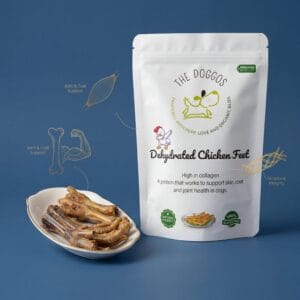
This is exactly where our “Cook the Meal, Dehydrate the Bone” method just becomes a total lifesaver. You cook the meat, yep, for hygiene. But you get that all-important calcium from safe, dehydrated bones. Dehydrated chicken feet, for instance, are absolutely packed with natural glucosamine and chondroitin. They’re basically the building blocks for healthy cartilage and joint fluid. (My Lab goes crazy for these!) It’s like a natural joint pill your Doberman will actually love to chew! How cool is that?
A Healthy Heart, A Long Life for Your Doberman
Dilated Cardiomyopathy (DCM) is just a heartbreaking reality for so many Doberman owners. It really is. This condition, where their heart gets all enlarged and weak, often has a genetic side to it. But nutrition? It plays a really big part in keeping it from happening and managing it if it does.
Taurine, okay? That’s an amino acid that’s absolutely critical for heart muscle function. And while dogs can make taurine from other amino acids, some breeds, Dobermans included, just need more of it in their diet or can’t make enough themselves. Organ meats (think heart and liver) are super rich in taurine, by the way. Plus, Omega-3 fatty acids are these amazing anti-inflammatories that really support overall heart health.
Skin and Coat Challenges in the Indian Climate
Dry, flaky skin. Recurring hot spots. Ear infections. Dobermans can totally be prone to all sorts of skin and coat issues, can’t they? And that Indian humidity, plus all our environmental allergens, often makes these problems just so much worse.
The whole “heat” myth? It’s just rampant here in India. A lot of people honestly believe chicken or eggs cause “heat” and give their dogs skin problems. But as “The Desi Carnivore,” I can tell you straight up: this is a total misunderstanding. What owners think is “heat” is actually, often, Omega-6 inflammation. See, commercial Indian chicken, which is fed on corn and soy, has an Omega 6:3 ratio that can be as high as 20:1 or even 30:1! This just floods their body with inflammatory markers, leading to all that paw licking, itching, and those rashes you’re seeing. So, balancing this out with Omega-3s and Gamma-Linolenic Acid (GLA), which is a rare anti-inflammatory Omega-6, is absolutely key.
The Bloat Risk: Feeding for Digestive Health
Dobermans, along with other deep-chested breeds, have a higher risk for Gastric Dilatation-Volvulus (GDV), or what we commonly call bloat. It’s scary stuff. And while the exact causes are pretty complex, feeding them highly digestible, fresh food? That’s a super important preventive step. Kibble, which just swells up in their stomach and often has fermentable carbs, can really up that risk. But a fresh diet, because it’s like 70% water, is way gentler on their digestive system and helps food move through faster. That cuts down the chance of gas buildup, you know?
The Desi Carnivore Approach: Cook the Meal, Dehydrate the Bone
Here at The Doggos, our whole philosophy for feeding dogs in India is simple, it’s safe, and it’s totally science-backed: “Cook the Meal, Dehydrate the Bone.” This isn’t your typical Western BARF diet, and it’s definitely not some bland, boneless home diet either. No, it’s the Indian middle path, designed specifically for our unique environment. Makes sense, right?
Why Raw Feeding Doesn’t Work in India
Look, I totally get the biological concept of raw feeding. I love it, actually. A dog’s stomach acid, that pH 1-2, it’s built to handle pathogens. For sure. But practically, yaar, bringing raw meat from your neighbourhood butcher or a wet market in India into your home? That’s a cross-contamination risk we just can’t ethically ignore. Think about the humidity in Mumbai or Chennai, the way things are handled in local markets. Bacteria can multiply in minutes. Seriously. Your Doberman drags that raw bone onto your favourite rug, then comes and licks your face. Yikes.
The hygiene gap? It’s really, really real.
For this exact reason, we always say gently home-cook (pressure cook) the meat. It just eliminates harmful bacteria like Salmonella and E.coli.
The Danger of Cooked Bones
Okay, listen up. This is a life-or-death warning, no exaggeration: NEVER, EVER feed your Doberman cooked bones. High heat makes bones super brittle, okay? They’ll just shatter into sharp, jagged splinters. And those splinters? They can totally perforate intestines, leading to fatal peritonitis. It’s terrifying. This is such a common, dangerous mistake a lot of well-meaning Indian pet parents make. They pressure-cook chicken with bones and just feed the whole thing. Please don’t. Once that meat is cooked, you absolutely MUST debone it. No exceptions.
The Safe Alternative: Dehydrated Bones
So, if cooked bones are a no-go and raw ones are a hygiene nightmare, how do Dobermans actually get their essential calcium, then? The answer is dehydration. Simple. Our dehydrated bones and chews are processed at low temperatures, for over 20 hours actually. This keeps their porous structure intact. Instead of splintering, they just crumble into a safe, chalky powder. This gives your dog highly absorbable calcium and phosphorus in the perfect ratio. It’s seriously the Goldilocks solution for Indian homes. Just right.
Essential “Supplements” for Your Doberman (The Doggos Way)
When we say “supplements” for your Doberman, we’re actually talking about specific whole foods and natural helpers. They target those breed-specific predispositions, all while fitting perfectly into a fresh, cooked diet. That’s the key.
1. For Robust Joints: Calcium & Glucosamine Powerhouses
To combat joint issues and support strong bones, you need a reliable source of calcium and joint-building nutrients.
- Dehydrated Chicken Feet (Rs.199): These? They’re basically natural joint pills. Each foot packs about 450mg of glucosamine, plus chondroitin. They give essential calcium and phosphorus in the right ratio, stopping that calcium leaching that causes weak bones and “Rubber Jaw.” Oh, and they’re natural toothbrushes too!
- Dehydrated Mutton Trotters (Rs.399) or Dehydrated Pig Bone (Rs.449): These are just excellent for mental enrichment, keeping those teeth healthy, and giving calcium and collagen for connective tissue support. They’re long-lasting chews that actually release endorphins. Perfect for a high-energy Doberman, na?
Why it matters: Look, a boneless home diet (just chicken and rice, basically) will always lead to calcium deficiency eventually. It’ll weaken their bones and joints, no doubt. But our dehydrated bones? They make sure your Doberman gets all that critical calcium and joint support they need, safely. Want to know more about bone safety? Check out our guide here: Can Dogs Eat Bones? The Indian Pet Parent’s Safety Guide.
2. For a Strong Heart: Omega-3s & Taurine
DCM is a serious concern for Dobermans. Supporting their heart health starts with specific nutrients.
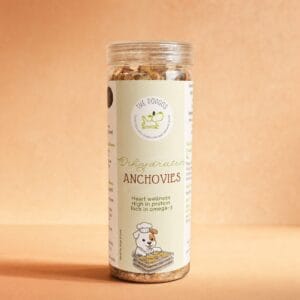
- Dehydrated Anchovies (Rs.599) or Dehydrated Sardines (from Rs.350): These are seriously your Doberman’s daily dose of DHA and EPA, the Omega-3s that are just so critical. They’re powerful anti-inflammatories, vital for heart health, brain function (especially for puppies and seniors with that DHA), and even healthy skin. We always suggest eating low on the food chain, right? So anchovies and sardines are perfect – small, short-lived, and no worries about heavy metal buildup. Smart, huh?
- Bone and Organ Boost (Rs.299): This blend of dehydrated organs (think heart and liver) is a super concentrated source of taurine, along with essential B vitamins and iron. All of it is crucial for heart muscle function and just overall vitality. Honestly, just a tiny sprinkle on their daily meal makes a huge difference. You’d be surprised.
Why it matters: Well, Omega-3s really help cut down inflammation all over the body, including the heart. And taurine? That’s direct fuel for heart muscle. For Doberman health, these are absolutely non-negotiable. Especially if you’re feeding a chicken-based diet. Seriously.
3. For Healthy Skin & a Lustrous Coat: Balancing Omega-6s and Healing from Within
Address those itchy paws, dry flakes, and dull coats by tackling inflammation and nourishing the skin barrier.
- Hemp Seed Oil (from Rs.300): This is the king of GLA (Gamma-Linolenic Acid). It’s a rare Omega-6, but here’s the kicker: it acts as an ANTI-inflammatory. Unlike those inflammatory Omega-6s you find in corn-fed chicken, GLA actually turns into Prostaglandin E1. That directly cuts down inflammation and keeps their skin barrier moist and supple. It’s basically direct medicine for dry, cracking paws, dandruff, and atopic dermatitis. Plus, it has a mild calming effect. Pretty great for stressed or anxious Dobermans, I’ve found.
- Baobab Oil (Rs.1400): Unlike those heavy oils that just sit on the skin, Baobab Oil actually absorbs right INTO the epidermis. It mimics their skin’s natural lipid barrier. It’s incredibly healing for hot spots, fungal infections, alopecia, and hyperkeratosis (you know, those crusty noses and paws). It helps heal things from the inside out, instead of just covering up the symptoms. For other skin issues, definitely check out our natural dog grooming range.
Why it matters: Remember that “heat” myth? It’s actually Omega-6 inflammation, plain and simple. So, balancing your Doberman’s diet with anti-inflammatory fats, like those in Hemp Seed Oil, is absolutely crucial for sorting out chronic skin issues. Especially if you’re feeding them commercial Indian chicken, which, let’s be real, most of us are.
4. For Gut Health & Overall Vitality: Prebiotics & Antioxidants
A healthy gut is the foundation of overall health, impacting immunity, mood, and nutrient absorption.
- Hemp Meal Balancer (Rs.399): This isn’t just some supplement; it’s a total game-changer for homemade meals. It literally fixes the amino acid and fat profile of a simple chicken-rice bowl, turning what might be a “survival meal” into a “thriving meal.” And it’s packed with prebiotic fiber to help out that healthy gut microbiome. Pretty neat, huh?
- Baobab Powder: Baobab Powder? It’s an incredible source of Vitamin C (we’re talking 5-6x more than oranges!) for collagen synthesis and a massive immune shield. It’s also a fantastic prebiotic fiber, great for settling their gut during diet changes or if they have a bit of an upset tummy. Honestly, just a pinch can do wonders.
Why it matters: A balanced gut makes sure your Doberman actually absorbs all those vital nutrients from their food. It strengthens their immune system and helps keep their energy levels stable, cutting down the risk of bloat-related problems. Want more insights on gut health and why your dog might be itching? Read this: Why is my dog always itching?
Practical Guide: Integrating “Supplements” into Your Doberman’s Diet
The beauty of the Desi Carnivore method is that these “supplements” are integrated seamlessly into a fresh, cooked diet. Here’s how:
1. The Daily Foundation: The Golden Chicken Bowl
So, start with our “Golden Chicken Bowl” (you can check out 10 homemade recipes for it) as your base. Easy peasy.
- 500g chicken thighs (bone-in, skin-on for that taurine boost)
- 50g liver (Vitamin A, taurine)
- 100g red pumpkin (fibre)
- Turmeric paste
Pressure cook for 2-3 whistles, then DEBONE thoroughly. Don’t skip this, okay? Mash the pumpkin into the broth. Once it’s cooled down, then add:
- 1-2 tsp Hemp Seed Oil (for that crucial Omega-6:3 balance and GLA)
- 1-2 tsp Hemp Meal Balancer (for complete amino acids and those good prebiotics)
- A sprinkle of Dehydrated Anchovies (for Omega-3s and, you guessed it, heart health)
2. Regular Chews for Calcium & Dental Health
- Offer a Dehydrated Chicken Foot daily or every other day. They’re great for glucosamine, calcium, and just keeping those teeth clean.
- Give them a Dehydrated Mutton Trotter or Pig Bone 2-3 times a week. It’s awesome for mental enrichment, scraping off plaque, and just good, long-lasting chewing satisfaction.
3. Targeted Support for Skin & Coat
- If your Doberman’s got active skin issues, apply Baobab Oil directly to those spots every day. For hyperkeratosis on their nose or paws, grab our Baobab Paw & Nose Balm. It works wonders.
4. Occasional Boosts
- Need an extra immune or gut boost? Especially during diet changes or stressful times, just add a pinch of Baobab Powder to their meal.
- If they’re recovering from an illness or need extra iron, definitely think about the “Mutton Strength Stew” and make sure you’re regularly using that Bone and Organ Boost.
And remember this: with a fresh diet, your Doberman will probably drink less water. Why? Because the food itself is 70% water! That’s totally normal, and actually really excellent for their kidney health.
Common Mistakes Indian Pet Parents Make with Doberman Nutrition
I see these mistakes far too often, and they directly impact a Doberman’s health:
- The Boneless Chicken & Rice Trap: So many feed just cooked chicken and rice, with no calcium. This, my friends, guarantees long-term skeletal problems. Seriously. Always, always add safe calcium, either through dehydrated bones or a proven supplement.
- Feeding Cooked Bones: This is a critical safety hazard. Cooked bones splinter. They can kill. Full stop.
- Ignoring Omega-6:3 Imbalance: Don’t assume all chicken is the same, okay? Commercial Indian chicken is inflammatory. You absolutely MUST balance it with Omega-3s (anchovies, sardines) and anti-inflammatory Omega-6s (Hemp Seed Oil). It’s non-negotiable.
- Kibble as the Primary Diet: Look, kibble is a high-carb, low-moisture, super processed product. It actually raises their stomach pH, making dogs more open to infections and unable to digest bones right. It’s like us eating processed breakfast cereal every single day. Not great. For a deep dive, check out our guide on why raw food (and by extension, species-appropriate fresh food) is way better than kibble.
- Treats as Just “Snacks”: Parle-G and Marie biscuits? They’re basically sugar and maida bombs. They rot teeth and give zero nutritional value. Zero. Our dehydrated treats, though, they’re functional medicine – glucosamine for joints, plaque scrapers for teeth, mental enrichment. Want to learn more? Head here: Are Dehydrated Treats Good for Dogs?
Your Doberman deserves so much more than just a survival diet. They deserve to thrive. Period.
Frequently Asked Questions About Doberman Supplements in India
Q1: Is a vegetarian diet suitable for a Doberman, even with supplements?
A: Absolutely not. Look, Dobermans are carnivores, right? Internally, they’re 99.9% wolf. Their digestive system is literally designed for meat, with a super acidic pH 1-2 stomach and no amylase in their saliva. A vegetarian diet, even if you throw in supplements, just can’t give them the bioavailable amino acids, fats, and micronutrients a carnivore needs. It’s fundamentally against their biology. And it will lead to serious long-term health issues. Trust me on this one.
Q2: Can I just give my Doberman human joint supplements?
A: While some human supplements might have similar ingredients, it’s generally not a good idea. Why? Dosage differences, absorption rates, and potential inactive ingredients can all be an issue. Dog-specific natural sources, like those dehydrated chicken feet we talked about, offer forms of glucosamine and chondroitin that are just right for their species. They’re highly bioavailable and totally safe for your Doberman.
Q3: My Doberman has a sensitive stomach. How do I introduce new foods or supplements?
A: Start slowly! Seriously, take your time. Use our 7-Day Transition Protocol: Days 1-2, do 75% old food, 25% new. Days 3-4, go 50/50. Days 5-6, it’s 25% old, 75% new. And by Day 7? 100% fresh! Don’t be surprised if you see a bit of mucus in their stool around Day 3-4. That’s just their gut shedding old lining, which is totally normal. And a pinch of Baobab Powder can really help settle things during these changes.
Q4: What about fish oil for Omega-3s?
A: Fish oil can definitely be a good source of Omega-3s. But honestly, we prefer dehydrated whole fish, like anchovies or sardines. They give your Doberman the full spectrum of nutrients from the fish, not just the oil. Plus, because they’re small and low on the food chain, there’s minimal risk of heavy metal contamination compared to bigger fish often used for oils. And a bonus? Our dehydrated options are odour-controlled, which is just perfect for Indian homes, right?
Q5: Is it true that meat causes aggression in Dobermans?
A: No, no, no. This is such an old myth, and it’s just not true. Aggression is a behavioural issue, pure and simple, not a nutritional one. In fact, dogs on species-appropriate, fresh diets are often calmer and way more focused. Why? Because their bodies are satisfied, their blood sugar is stable, and they aren’t dealing with chronic indigestion or inflammation. A well-nourished Doberman is a happier, more balanced Doberman. Simple as that.
Supporting your Doberman’s health here in India really doesn’t have to be complicated. By truly understanding their carnivorous nature and tackling those breed-specific needs with our “Cook the Meal, Dehydrate the Bone” philosophy, you’re doing more than just feeding them. You’re actually investing in their vibrant future. So, go on, explore our range of hemp supplements and dehydrated treats. Transform your Doberman’s health today!
Disclaimer: While I’m a certified canine nutritionist, this information is for educational purposes and isn’t a substitute for veterinary advice. Always consult your vet for specific health concerns, okay?