Cats are often misunderstood in Indian households, frequently fed leftover dal and roti, much like our dogs. But a cat’s biology is even more rigid than a dog’s, demanding a diet rooted firmly in meat. As a certified canine nutritionist and author of “The Desi Carnivore,” I, Mahiv Amit Chhabra, extend our core philosophy to our feline friends: their health begins with a species-appropriate diet.
Quick Answer: Optimal Cat Nutrition in India
Optimal cat nutrition in India means embracing their obligate carnivore nature with gently cooked, species-appropriate meals. Due to India’s climate and hygiene challenges, raw feeding carries significant risks. Instead, focus on fresh, deboned meat, balanced with essential nutrients like taurine and Omega-3s, and supplement calcium with safe, dehydrated options. This approach ensures health, vitality, and safety for your beloved feline companion.
Why Cats Are Obligate Carnivores: The Biological Imperative
Unlike dogs, who are facultative carnivores (meaning they can survive on some plant matter), cats are obligate carnivores. This isn’t a choice; it’s a biological design. Their bodies are specifically engineered to thrive on a diet of animal protein and fat, with very little room for carbohydrates.
- Digestive System: Cats have a short, acidic digestive tract (pH 1-2 stomach acid), perfectly suited for rapidly breaking down meat and bone. They lack the enzymes in their saliva (like amylase) to efficiently process starches and grains.
- Nutrient Requirements: Cats require specific nutrients found almost exclusively in animal tissue. These include preformed Vitamin A (beta-carotene from plants is useless to them), arachidonic acid (an essential Omega-6 fatty acid), and most critically, taurine.
- Water Content: Prey animals are 70-80% water. This is why cats naturally have a low thirst drive. Kibble, with its mere 10% moisture, often leaves cats chronically dehydrated, contributing to kidney and urinary issues.
Ignoring these fundamental biological facts is the root cause of many chronic feline health problems we see in India, from urinary tract infections to diabetes.
The “Cook the Meal, Dehydrate the Bone” Method for Cats in India
Our philosophy at The Doggos is built on a practical understanding of Indian living conditions. While the biological concept of raw feeding aligns with a carnivore’s diet, the reality of Indian wet markets and our humid climate presents an undeniable hygiene gap.
For cats, just like dogs, we advocate for a safe, species-appropriate approach:
- Gently Cook the Meat: Pressure cooking meat (chicken, goat, fish) kills harmful bacteria like Salmonella and E.coli, which are rampant in Indian wet markets. This makes the food safe for both your cat and your household, preventing cross-contamination.
- Debone After Cooking: NEVER feed cooked bones. High heat makes bones brittle and prone to shattering into sharp splinters. These splinters can cause internal damage, leading to fatal peritonitis. This is a critical safety rule for all pet parents.
- Dehydrated Bones and Chews for Calcium: To provide essential calcium and phosphorus, we turn to dehydration. Low-temperature, long-duration dehydration retains the porous structure of bones, allowing them to crumble safely into a chalky powder when chewed. For cats, smaller options like Dehydrated Chicken Heads or Dehydrated Whole Quail are excellent. They provide natural calcium, phosphorus, and valuable chewing enrichment.
The Raw Food Debate for Indian Cats
I understand the appeal of raw feeding, mimicking a cat’s ancestral diet. However, for Indian households, the risk outweighs the biological benefit. The high humidity in cities like Mumbai or Chennai creates a breeding ground for bacteria on raw meat, which can contaminate kitchen surfaces, bowls, and even your cat’s fur. While a cat’s stomach acid is potent, the practical cross-contamination risk is too high to ignore.
For a deeper discussion on why raw feeding isn’t ideal for the Indian context, you can read our detailed guide on Raw vs Gently Cooked Cat Food for Indian Cats: What’s Best?
Essential Nutrients for Feline Health: Beyond Just Meat
While meat forms the cornerstone of a cat’s diet, specific nutrients require careful attention to ensure a truly balanced meal.
Taurine: The Lifeline for Cats
Taurine is an amino acid that cats cannot synthesise sufficiently on their own, making it an essential dietary requirement. Without adequate taurine, cats can suffer from dilated cardiomyopathy (a fatal heart condition), retinal degeneration (leading to blindness), and reproductive issues. It’s not just an add-on; it’s non-negotiable for their survival.
Good sources include muscle meat, organs (especially heart), and fish. You can learn more about securing this vital nutrient in our guide to the Best Natural Taurine Sources for Cats in India.
Calcium and Phosphorus: The Bone Balance
Meat is rich in phosphorus but low in calcium. Feeding a boneless meat-only diet over time will lead to a severe calcium deficiency, leaching calcium from your cat’s own bones. The ideal Calcium:Phosphorus ratio for cats is 1.1:1 to 1.2:1.
This balance is easily achieved by adding small, safe bone sources like our Dehydrated Chicken Heads or Dehydrated Whole Quail to their diet, or a high-quality calcium supplement.
Omega-3 Fatty Acids: The Silent Healer
Omega-3s, particularly EPA and DHA, are powerful anti-inflammatory agents crucial for a cat’s skin, coat, joint health, and cognitive function. Commercial chicken in India, fed on corn and soy, has an abysmal Omega-6:3 ratio, leading to inflammatory issues often mislabelled as “heat” by Indian pet parents.
Supplementing with a high-quality Omega-3 source is vital. This is where products like Dehydrated Anchovies shine, providing a balanced fat profile and combating inflammation.
Homemade Cat Food: Balanced Recipes for Indian Felines
Creating balanced homemade meals for your cat in India is simpler than you might think. The core is always cooked meat, supplemented with organs, a safe calcium source, and an Omega-3 booster.
A basic recipe would involve:
- Protein: 80-85% cooked muscle meat (chicken thighs, goat, fish).
- Organ Meat: 10-15% cooked liver, heart, or kidney (vital for taurine and vitamins). Our Dehydrated Bone and Organ Boost can be a convenient addition.
- Calcium Source: Ground, safe dehydrated bones (like Dehydrated Chicken Heads) or eggshell powder.
- Omega-3: A pinch of Dehydrated Anchovies or a few drops of fish oil.
- Water: Add some water or meat broth to ensure hydration.
For detailed, easy-to-follow recipes tailored for the Indian home, refer to our Balanced Homemade Cat Food Recipes for Indian Cats.
Addressing Common Cat Health Issues Through Diet
Many feline health challenges can be managed, or even prevented, with the right dietary approach.
Kidney Health: Low Phosphorus Diets
As cats age, kidney disease becomes a common concern. A low-phosphorus diet is often recommended to slow its progression. This means carefully selecting protein sources and avoiding high-phosphorus foods.
Our guide on What to Feed a Cat with Kidney Disease in India provides natural, effective strategies.
Urinary Health: The Importance of Hydration
Chronic dehydration from kibble is a major contributor to Feline Lower Urinary Tract Disease (FLUTD), including bladder stones and cystitis. A fresh, moisture-rich diet is paramount for urinary health, keeping the urinary tract flushed.
Fish-based wet foods are often excellent, as many cats find them highly palatable, encouraging water intake. Discover the Best Fish-Based Wet Food for Cat Urinary Health in India.
Skin and Coat Woes: Natural Remedies
Dull coats, excessive shedding, and skin irritations (like hot spots or fungal infections) often stem from nutritional deficiencies or imbalances. Omega-3s are critical for a healthy skin barrier and luscious fur. For topical relief, our Baobab Oil, which absorbs deeply into the skin, works wonders for cats too, healing from within without clogging pores. You can find more natural solutions in our article on Best Natural Remedies for Cat Skin Issues & Fur Loss in India.
Dental Health: Beyond Brushing
Tartar buildup is rampant in kibble-fed cats, leading to gum disease and painful extractions. While brushing is ideal, many cats resist. Natural chewing on appropriate, safe items is the best way to maintain dental hygiene.
Dehydrated Chicken Heads, with their small, pliable bones and cartilage, act as a natural toothbrush, scraping away plaque. Learn more about Natural Cat Tartar Removal in India.
The Indian Billi Cat: Specific Nutritional Needs
The resilient Indian Billi, or street cat, is often overlooked in discussions of breed-specific nutrition. These cats are naturally adapted to our climate and local prey. Their nutritional needs are fundamentally the same as any domestic cat: a high-quality, meat-based diet.
However, many Billi cats come from backgrounds of nutritional deprivation, so a nutrient-dense diet is even more crucial for their recovery and long-term health. Our Complete Guide to Indian Billi Cat Care & Feeding in India offers tailored advice.
What NOT to Feed Your Cat: Common Indian Mistakes
Just as important as what to feed is what to avoid. Many well-meaning Indian pet parents unknowingly offer foods that are detrimental to feline health.
The Paneer and Dairy Trap
It’s a common sight: a cat lapping up milk or nibbling on paneer. While it seems harmless, most cats are lactose intolerant. Dairy can cause digestive upset, vomiting, and diarrhoea. Paneer, while protein-rich, is also high in phosphorus and should only be given in tiny, occasional amounts, if at all, as a treat, never a staple.
Understand the full truth about dairy and cats in our guide, Can Cats Eat Paneer in India?
Kibble: The Dry Disaster
I cannot stress this enough: kibble is not species-appropriate food for cats. It’s a highly processed, carbohydrate-heavy, moisture-deficient product. It contributes to chronic dehydration, raises urinary pH (making cats more prone to crystals), and provides low-quality, often plant-based, protein that cats struggle to digest.
While convenient, the long-term health consequences of a kibble-only diet are significant and often irreversible.
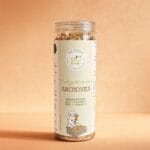
Our Recommended Solution: Dehydrated Anchovies for Feline Vitality
When it comes to boosting your cat’s health with a simple, effective addition, our Dehydrated Anchovies are a standout. These tiny fish pack a powerful nutritional punch, making them an ideal supplement and treat for your feline.
- Rich in Omega-3s: Anchovies are an excellent source of EPA and DHA, crucial for a glossy coat, healthy skin, sharp vision, and strong joints. These are anti-inflammatory powerhouses, directly addressing the Omega-6 imbalance often found in commercial chicken.
- Natural Taurine Source: As small whole fish, anchovies naturally contain taurine, providing an additional boost of this essential amino acid that is so vital for your cat’s heart and eye health.
- Low on the Food Chain: Being small, short-lived fish, anchovies do not accumulate heavy metals like larger predatory fish (tuna, mackerel). This makes them a safe and clean source of marine nutrients.
- Odour-Controlled & Convenient: Our dehydrated anchovies are gently air-dried, retaining their nutrients without the overpowering fishy smell. They can be given as a crunchy treat or crumbled into meals to enhance flavour and nutrition.
Adding a few Dehydrated Anchovies to your cat’s daily meal is a simple yet profound step towards supporting their overall vitality and ensuring they receive the balanced nutrition their carnivore bodies demand.
Cooked Meat vs. Kibble vs. Raw for Cats (Indian Context)
| Feature | Gently Cooked Meat (The Doggos Method) | Commercial Kibble (Dry Food) | Raw Food (BARF/Prey Model) |
|---|---|---|---|
| Nutrient Quality | High, digestible, fresh | Variable, often processed, low moisture | High, but significant hygiene risk |
| Hydration | High (70%+ water) | Low (10% water), leads to chronic dehydration | High, but significant hygiene risk |
| Pathogen Risk | Low (cooking kills bacteria) | Low (processing), but storage issues | High (wet markets, home cross-contamination) |
| Digestibility | Excellent (90-94%) | Moderate (~80%), high carb load | Excellent, but significant hygiene risk |
| Taurine Source | Excellent (fresh meat, organs) | Often synthetic added, can be degraded | Excellent (fresh meat, organs) |
| Bone Safety | Dehydrated bones are safe for calcium | None, leads to calcium deficiency | Raw bones are safe, but hygiene risk in India |
| Indian Context | Recommended as safe & balanced | Common, but problematic for long-term health | Not Recommended due to hygiene gap |
Common Mistakes Indian Cat Parents Make
Many common errors in cat feeding stem from a lack of understanding of feline biology:
- Vegetarian Diet: Believing a cat can thrive on a vegetarian diet (dal, roti, rice). Cats cannot. They need meat.
- Over-reliance on Kibble: Assuming dry food is sufficient and balanced. It’s often the root of many health issues.
- Feeding Cooked Bones: A common and dangerous mistake that can lead to internal injuries.
- Excessive Dairy: Giving milk or paneer, which most cats cannot digest properly due to lactose intolerance.
- Ignoring Hydration: Not ensuring sufficient water intake, especially with kibble diets.
- Lack of Taurine: Not understanding or supplementing this vital amino acid.
By avoiding these pitfalls and embracing a species-appropriate, cooked diet, you can dramatically improve your cat’s health and happiness.
As a certified canine nutritionist, my mission is to empower pet parents with knowledge. For more insights into natural pet care and our range of products suitable for cats, explore our cat treats and grooming products. I, Mahiv Amit Chhabra, am committed to helping you provide the best for your feline companions.