The scorching Indian summer can turn even the most enthusiastic eater into a picky pupper. One day your dog’s wolfing down their meal, the next they’re sniffing at it suspiciously, then just walking away. Sound familiar? It’s a super common sight in Indian households, and it often leaves us scratching our heads and worrying. What’s going on, really?
**Quick Answer:** Your dog not eating in summer is usually because of the heat, which cuts down their activity and appetite. But it’s also often about digestive strain from not-so-great food, or even an underlying inflammatory response that people often mistake for “heat” from protein. The good news? Addressing hydration, tweaking meal timings, and crucially, balancing their diet with the right fats and easily digestible, cooked meat (plus safe calcium sources) can sort this out fast.
The Summer Slump: Why Your Dog’s Appetite Takes a Dive
Let’s be real, who wants a heavy biryani when it’s 40 degrees outside? Our dogs feel the exact same way. Their bodies are working overtime just to stay cool. And get this: digestion generates internal heat, so their natural instinct is to eat less. But it’s not just about the mercury rising. Nope. There are several other factors at play:
1. The Obvious One: Heat and Reduced Activity
Just like us, dogs are way less active when it’s hot. Fewer zoomies. Less playtime. More napping under the fan, for sure. Lower activity levels naturally mean they don’t need as many calories, and guess what? Their appetite drops. Their body basically prioritizes cooling down over digesting a big, heavy meal.
**Why it matters:** If your dog isn’t burning much energy, they simply don’t need as much fuel. Trying to force them to eat the same amount of food can totally lead to an upset tummy, or even them gaining weight if they stay less active for a while.
2. Digestive Strain: The Burden of Processed Food
This is a big one, seriously. Most commercial kibble is packed with carbs (often 50% or more, can you believe it?) and highly processed stuff. These ingredients are just harder for a dog’s carnivorous digestive system to break down. Remember, dogs have **no amylase in their saliva**. Their short intestines? They’re built for fast protein processing, **not grain fermentation**.
So, when you feed a dog roti or kibble, it basically hits their stomach “whole,” really straining their pancreas. And in summer, when their body’s already under stress from the heat, this digestive effort gets way worse. Fresh food, on the other hand, boasts an incredible **90-94% digestibility rate**. Kibble? Only about 80%. What does that mean? More nutrients get absorbed, and their system has way less work to do.
**Why it matters:** A diet that’s tough to digest means more internal heat generation and less energy available for cooling. Switching to a fresh, species-appropriate diet can really ease this burden. A game-changer, honestly.
3. The “Heat” Myth Debunked: Omega-6 Inflammation is the Real Culprit
Here’s the thing. This is where the “Desi Carnivore” philosophy really shines. For generations, Indian pet parents have sworn that chicken, eggs, and certain meats cause “heat” in dogs. They link it to rashes, itching, and loss of appetite. But I’m here to tell you, straight up, that this is a myth. Or, more accurately, a big misunderstanding of a very real problem.
What you’re actually seeing isn’t thermal heat from the meat itself. Nope. It’s almost always **Omega-6 induced inflammation**. And here’s why:
* **Commercial Chicken’s Dirty Secret:** In India, most commercial chicken is fed a diet heavy on corn and soy. This totally messes up its Omega-6 to Omega-3 ratio, often skyrocketing to **20:1 or even 30:1**. A healthy ratio for our dogs should be closer to 7:1. See the huge difference?
* **Inflammatory Cascade:** This overload of Omega-6 just floods your dog’s system with inflammatory markers. This shows up as paw licking, hot spots, chronic ear infections, and that “unexplained” itching – all those symptoms people blame on “heat.” This constant internal inflammation makes your dog feel unwell, lethargic, and naturally, less hungry. Honestly, most vets won’t tell you this directly.
**Why it matters:** Stopping chicken entirely because of the “heat” myth actually deprives your dog of a fantastic protein source. The real solution isn’t to take away the protein. It’s to **balance the fats**. By adding a potent Omega-3 source, you can totally counteract those inflammatory effects, bringing back comfort, and usually, their appetite too.
4. Dehydration and Low Water Intake
Fresh food is naturally **70% water**. Kibble, on the other hand, is only about 10%. This means dogs on a fresh diet often drink less water, which is **NORMAL** and actually great for kidney health. But, if your dog’s on kibble, or even a fresh diet but is super sensitive to heat, dehydration can kick in. And dehydration? It makes them feel sluggish and just kills their appetite.
**Why it matters:** Making sure your dog gets enough water is super important in summer. If they’re not drinking enough, their body just can’t regulate temperature effectively, making them even less interested in eating.
5. Dental Discomfort or Pain
Imagine trying to eat with a toothache. No fun, right? If your dog has a cracked tooth, gum inflammation, or maybe a foreign object stuck somewhere, that discomfort can easily make them avoid food. This might be even more noticeable in summer if they’re already feeling a bit off from the heat.
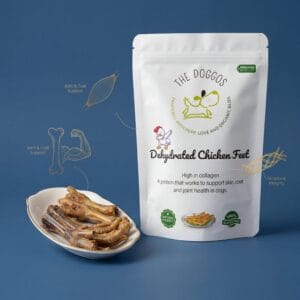
**Why it matters:** Dental health is so often overlooked. Regular dental chews, like our Dehydrated Chicken Feet or Dehydrated Mutton Trotters, can really help prevent issues. But if you suspect pain, a vet visit is a must.
6. Underlying Health Issues
Sometimes, a loss of appetite is a symptom of something way more serious. Common summer ailments here in India include:
* **Tick Fever (Canine Ehrlichiosis/Anaplasmosis):** This is a super common and serious issue. Loss of appetite, lethargy, and fever are classic signs. Do check out our full guide on Tick Fever in Dogs India.
* **Stomach Upset:** Eating something they shouldn’t have, or a sudden diet change, can totally lead to nausea and them not wanting to eat.
* **Kidney or Liver Issues:** These can cause a chronic low appetite.
* **Pain:** Arthritis, an injury, or any kind of discomfort can make a dog reluctant to eat.
**Why it matters:** Look, while we absolutely believe in natural nutrition, it’s really important to tell the difference between a temporary summer slump and a genuine medical condition. If your dog’s appetite loss lasts for more than 24-36 hours, or if it comes with other symptoms like vomiting, diarrhoea, or lethargy, it’s time to see your vet. Don’t wait.
7. Stress and Anxiety
Summer often brings a lot of changes, doesn’t it? Travel, guests, loud festivities (think pre-monsoon weddings or local celebrations). Dogs are creatures of routine, and stress or anxiety can easily show up as a loss of appetite. (My Lab gets totally freaked out by crackers, yaar!)
**Why it matters:** A calm environment is key. For dogs who get stressed easily, consider supplements like our Hemp Seed Oil for Dogs, which has a mild calming effect. Try giving it about 7 days before you know any stressors, like festivals, are coming up.
8. Boredom and Picky Eating
Let’s face it, sometimes our dogs just get bored of the same old, same old. If their food isn’t exciting, especially when they’re already not really in the mood to eat, they might just turn up their nose. This is particularly true for smarty-pants breeds like Labradors or German Shepherds.
**Why it matters:** Variety is the spice of life, even for dogs! Introducing different proteins, textures, and enrichment can totally get their interest back.
The Desi Carnivore’s Summer Survival Guide: What to Do
Don’t panic if your dog isn’t eating! Here’s how to tackle summer appetite loss, the Desi Carnivore way:
1. Prioritise Hydration (Beyond Just Water)
While a fresh bowl of water is absolutely essential, you need to think beyond just that.
* **Add Water to Meals:** Mix extra water or unsalted chicken/mutton broth into their cooked meals. This really helps boost hydration.
* **Ice, Ice Baby:** Offer ice cubes in their water bowl or as a treat. Some dogs absolutely love to crunch on them. You can even freeze low-sodium broth or blended fruits (like banana, link to Can Dogs Eat Banana?) in ice cube trays.
* **Fresh Food Advantage:** If your dog’s on kibble, seriously consider switching to a fresh, home-cooked diet. The **70% water content** in fresh food makes a huge difference to their overall hydration and kidney health.
2. Embrace “Cook the Meal, Dehydrate the Bone”
This is our main principle. In the Indian summer, with high humidity and often less-than-ideal wet market conditions (like when you’re buying from your neighbourhood butcher), raw meat carries a big risk of bad bacteria.
* **Cook the Meat:** Gently pressure-cook chicken, mutton, or quail. This kills nasty pathogens like Salmonella and E.coli, making it safe for your home. Oh, and wash meat with turmeric water (it’s a natural antiseptic!) before cooking.
* **DEBONE After Cooking:** This is **NON-NEGOTIABLE**. Seriously. Cooked bones become brittle and splinter into sharp, jagged shards that can poke holes in your dog’s intestines, leading to fatal peritonitis. A lot of well-meaning Indian parents make this mistake. Please don’t.
* **Dehydrated Bones for Calcium:** And here’s where the magic happens. Dehydrated bones (like our Dehydrated Chicken Feet or Dehydrated Whole Quail) are processed at low temperatures for 20+ hours. This keeps their porous structure intact. They crumble into a safe, chalky powder, giving your dog essential calcium for that crucial **1.2:1 Calcium:Phosphorus ratio** without any of the splintering risk of cooked bones.
Honestly, this is the safest way to give them calcium.
**Why it matters:** A boneless home diet (just chicken + rice, for example) will actually leach calcium from your dog’s own skeleton over years. That leads to osteopenia and something called “Rubber Jaw” syndrome. Dehydrated bones are the “Goldilocks” solution: not raw (too much hygiene risk), not cooked (too much splintering risk).
3. Balance Those Fats: Omega-3 is Your Summer Saviour
This is the key to fighting that “heat” myth, remember? For every chicken meal, you **MUST** add Omega-3.
* **Hemp Seed Oil:** This is my absolute top recommendation. It’s the king of GLA (Gamma-Linolenic Acid), a rare Omega-6 that acts **ANTI-inflammatory**. It converts to Prostaglandin E1, which cuts down inflammation and keeps the skin barrier moist. Dogs with Atopic Dermatitis often lack the enzyme to process normal fats; GLA bypasses this step, making it like a direct medicine for dry, cracking paws and dandruff. Plus, it’s plant-based, perfect for vegetarian households, and has a calming effect. Find it here: Hemp Seed Oil for Dogs.
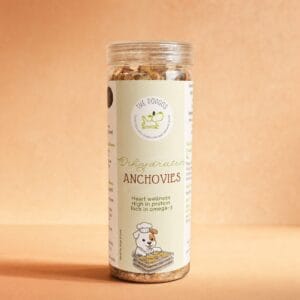
* **Dehydrated Anchovies/Sardines:** These are excellent sources of DHA for brain health and those anti-inflammatory Omega-3s. They’re small, short-lived plankton eaters, so you don’t have to worry about heavy metal bioaccumulation (unlike tuna, for instance). And a quick note: they aren’t “toppers” – they’re “balancers.” Check them out: Dehydrated Anchovies or Dehydrated Sardines.
**Why it matters:** Balancing that Omega-6 heavy commercial chicken with Omega-3 fixes the underlying inflammation. That makes your dog feel more comfortable and naturally gets their appetite going again. It’s not about stopping chicken; it’s about feeding it right.
4. Adjust Meal Timings and Portions
Offer meals during the coolest parts of the day: early morning and late evening. Try to avoid feeding heavy meals in the mid-day heat. You can also offer smaller, more frequent meals if your dog’s having a hard time with larger portions.
**Why it matters:** Eating when it’s cooler means less internal heat generated by digestion, which just makes the meal way more appealing.
5. Make Meals Exciting and Accessible
* **Lighter Recipes:** Focus on easily digestible proteins and hydrating veggies. A great summer staple could be a version of our “Golden Chicken Bowl” (think 500g chicken thighs, 50g liver, 100g red pumpkin, Hemp Meal Balancer, turmeric paste – pressure cook, DEBONE, mash pumpkin, then add balancer once cooled). Or for recovery, try a “Mutton Strength Stew” (500g goat curry cut, 100g sweet potato, wilted spinach, anchovy topper – pressure cook 4-5 whistles, DEBONE).
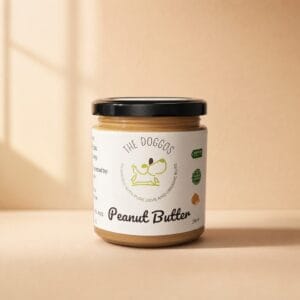
* **Food Puzzles & Lick Mats:** Turn mealtime into a game! Spread some of our Peanut Butter (zero xylitol, thank goodness!) on a lick mat, or hide small portions of their meal in a puzzle toy. This gives them something to think about and really encourages them to engage with their food. (My Indie dog absolutely loves this. Keeps him busy for ages!)
* **Novel Proteins:** If boredom or mild allergies are suspected, think about a novel protein like our Dehydrated Whole Quail. Allergies are often caused by over-exposure, and your dog’s immune system has likely never seen quail before. Whole Quail also gives them manganese (great for ligaments) and feathers (insoluble keratin for colon sweep and anal gland health).
6. Leverage Functional Treats
Dehydrated treats are NOT just snacks; they are **functional medicine**. Seriously.
* **Dental Health:** Try Dehydrated Chicken Feet (rich in glucosamine, also cleans teeth), Dehydrated Mutton Trotters (plaque scrapers, collagen, and that chewing gives a nice dopamine release), or Dehydrated Goat Ears (a dental chew with fur fiber). Chewing is a natural stress reliever, too.
* **Nutrient Boost:** Our Dehydrated Bone and Organ Boost provides essential taurine and iron. It’s great for recovery or just boosting overall health.
* **Mental Enrichment:** A long-lasting chew like a Dehydrated Pig Bone can keep them occupied and happy, even when they’re not too keen on their regular meals.
**Why it matters:** These treats give them really important nutrients, dental benefits, and mental stimulation. All of that can indirectly improve their appetite by just making your dog feel better overall.
7. Consider Gut Support
Diet changes or summer stress can sometimes mess with gut health.
* **Baobab Powder:** An amazing source of Vitamin C (5-6x more than oranges!) for immune support and collagen synthesis. It’s also a prebiotic fibre, excellent for settling the gut during diet changes. A pinch in their food can really help.
* **Curd (Dahi):** A small amount of plain, unsweetened curd can give them good bacteria. Start with just 1 tsp to test if they have lactose intolerance. Read more on Can Dogs Eat Curd?.
Common Mistakes Indian Pet Parents Make in Summer
- **Feeding Cooked Bones:** This is a life-threatening mistake. As stressed, **NEVER feed cooked bones**. They shatter. Instead, opt for dehydrated bones or bone meal for calcium.
- **Ignoring the Ca:P Ratio:** Feeding a boneless chicken and rice diet for months or years without adding a calcium source will lead to severe skeletal issues. You absolutely need that **1.2:1 Calcium:Phosphorus ratio**.
- **Believing the “Heat” Myth:** Stopping chicken or eggs because of the “heat” myth is counterproductive. It’s Omega-6 inflammation, not the protein itself. Just balance the fats.
- **Over-relying on Roti/Biscuits:** While it’s tempting to offer roti or Parle-G biscuits when your dog refuses their meal, these are full of maida and sugar. They basically offer zero nutritional value, spike blood sugar, and rot teeth. Read Is Roti Good for Dogs? for more. Choose a healthy alternative like a small piece of cooked chicken or a Dehydrated Chicken Foot instead.
- **Forcing Food:** If your dog is truly not hungry, don’t force them. This can create a negative association with mealtime. Just try again later with a smaller, more appealing portion.
- **Sudden Diet Changes:** While switching to a fresh diet is super beneficial, do it gradually using our **7-Day Transition Protocol**. Sudden changes can totally upset their stomach. Expect some mucus in their stool around Day 3-4 (that’s just their gut shedding old lining – it’s normal, don’t worry). You can fix it with extra pumpkin or a pinch of Baobab powder.
Frequently Asked Questions
**Q1: My dog only wants to eat curd and rice in summer. Is that okay?**
A1: While curd does give them probiotics and rice offers some carbs, this combination doesn’t have all the nutrients they need. It’s okay for a day or two if your dog has an upset stomach, but it’s definitely not a good long-term summer diet. You risk nutrient deficiencies and muscle loss. Aim for a balanced, cooked meat meal with dehydrated bone for calcium and Omega-3s.
**Q2: Can I just give my dog cold water to cool them down?**
A2: Yes, fresh, cool water is super important. You can absolutely add ice cubes to their bowl too. However, try to avoid giving excessively icy water in really big quantities too quickly, as it can sometimes cause stomach upset in sensitive dogs. Small, frequent sips of cool water are usually best.
**Q3: My dog is itching a lot in summer, and also not eating. Are these related?**
A3: Absolutely! And it’s a classic sign of inflammation from too much Omega-6, often mistaken for “heat.” That inflammation causes skin irritation and discomfort, which can lead to a general feeling of unwellness and reduced appetite. Start balancing their diet with Omega-3 rich sources like Hemp Seed Oil for Dogs or Dehydrated Anchovies immediately. Read more on Why is my dog always itching?.
**Q4: Is it okay if my dog eats less but still seems energetic?**
A4: If your dog’s eating less but still has good energy, bright eyes, a moist nose, and normal stools, it’s likely just their body adjusting naturally to the heat. Keep a close eye on them, make sure they’re hydrated, and offer appropriate meals. If they become lethargic or other symptoms pop up, then consult your vet.
**Q5: What are some quick, easy summer meal ideas for a picky eater?**
A5: Try a simple, cooked chicken and pumpkin mash (pressure cook chicken, DEBONE, mash with boiled pumpkin, then add a dash of Hemp Seed Oil for Dogs). Or consider our “Itchy Dog Reset” which is no-cook: a Dehydrated Whole Quail with some steamed green beans and a tsp of Baobab powder. The chewing action of the quail releases happy chemicals, which can help calm them down and make them want to eat.
The Desi Carnivore Way: A Summer of Health, Not Heat
Understanding your dog’s biological needs and combining them with smart, hygienic practices is the real secret to a healthy Indian summer. So, ditch the myths, embrace fresh, balanced nutrition, and keep those tails wagging, even when the sun is blazing!
For more detailed guides on feeding your dog the Desi Carnivore way, explore our blog:
- Want to know what to feed your dog daily? Check out What Should I Feed My Dog?
- Worried about bones? Read our full guide on Can Dogs Eat Bones?
- Thinking about a fresh diet? Here are Homemade Dog Food Recipes India
And for all the functional treats and supplements mentioned, visit our Dog Treats and Hemp Supplements Dogs sections.
Disclaimer: While I am a certified canine nutritionist, this information is for educational purposes only and not a substitute for professional veterinary advice. If your dog’s appetite loss is severe, prolonged, or accompanied by other concerning symptoms, please consult your veterinarian immediately.