Walk into any pet store in India, or scroll through online marketplaces, and you will be bombarded with an overwhelming array of dog supplements. From joint support to skin and coat boosters, calming aids to gut health formulas, the choices are endless. But how do you, an Indian pet parent, cut through the marketing noise and choose what actually works for your dog, given our unique climate, diet, and lifestyle?
Quick Answer: The Best Natural Dog Supplements in India
The best natural dog supplements in India focus on correcting common nutritional gaps in home-cooked diets and addressing specific health needs with biologically appropriate ingredients. Prioritise balanced whole foods first, then add targeted supplements like Omega-3s (from fish or hemp seed oil), calcium from dehydrated bones, and specific superfoods like Baobab or Turmeric for inflammation and immunity.
The Desi Carnivore Philosophy: Food First, Supplements Second
My philosophy as a certified canine nutritionist is simple: food is the primary medicine. Dogs are carnivores, designed to thrive on meat, organs, and a small amount of bone. Their digestive systems, with a pH of 1-2 stomach acid and short intestines, are built for efficient protein and fat processing, not for digesting complex carbohydrates or highly processed ingredients.
Many Indian pet parents feed homemade meals, which is a fantastic step away from processed kibble. Kibble, often laden with grains and fillers, is heat-extruded, stripping away vital nutrients and moisture. This leads to common issues like poor digestibility and dehydration, forcing dogs to drink more water. Fresh food, conversely, is about 70% water, excellent for kidney health, and boasts 90-94% digestibility, meaning smaller, firmer stools.
However, even the most well-intentioned home cook can miss crucial nutritional elements. That is where targeted, natural supplements come in. They are not a replacement for a balanced diet, but rather a way to fine-tune it, turning a ‘survival meal’ into a ‘thriving meal’. If you are looking to truly upgrade your dog’s bowl, start with my comprehensive feeding guide or explore some of our favourite homemade dog food recipes. For those interested in the biological arguments against kibble and for fresh food, I often discuss this in detail, including why the Western ‘raw’ approach needs modification for Indian households, which you can read about in our raw food diet for dogs in India article.
Addressing the “Missing Links” in Indian Dog Diets
Even with fresh, home-cooked food, certain nutrients are commonly deficient or imbalanced in typical Indian dog bowls. Understanding these gaps is the first step to choosing the right supplements.
The Calcium:Phosphorus Imperative
One of the biggest nutritional traps for Indian pet parents is feeding boneless, home-cooked chicken and rice. While chicken is an excellent protein source, it is rich in phosphorus but low in calcium. Dogs need a Calcium:Phosphorus ratio of 1.2:1 for proper skeletal health. Without enough calcium, the body leaches it from the dog’s own bones, leading to conditions like Osteopenia and, in severe cases, “Rubber Jaw” syndrome over time.
You should NEVER feed cooked bones from your kitchen. High heat makes bones brittle, causing them to shatter into sharp, dangerous splinters. This is a non-negotiable safety rule I always emphasise. Instead, the solution lies in dehydrated bones and chews. Dehydration, a low-temperature, slow process (20+ hours), retains the bone’s natural porous structure. These bones crumble into a safe, chalky powder when chewed, providing bioavailable calcium and phosphorus without the splintering risk.
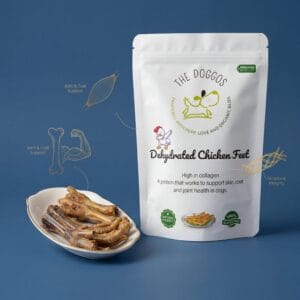
- For daily calcium and natural joint support, Dehydrated Chicken Feet are fantastic, packed with glucosamine and chondroitin.
- For a novel protein source that also provides whole-prey calcium and manganese, consider Dehydrated Whole Quail.
- Long-lasting chews like Dehydrated Mutton Trotters or even a Dehydrated Pig Bone offer significant calcium and dental benefits.
- Don’t forget the rich nutritional profile of Dehydrated Chicken Heads or the dental cleaning power of Dehydrated Goat Ears.
Rebalancing Omega-6:3 for Inflammation Control
Another critical imbalance I frequently observe in Indian dogs stems from their fat intake. Commercial chicken, the most common protein source, is typically fed a corn and soy diet, resulting in an Omega-6:3 ratio often as high as 20:1 or 30:1. The ideal ratio for dogs is closer to 7:1. This excess of Omega-6 fatty acids floods the body with inflammatory markers.
This inflammation often manifests as what many Indian pet parents mistakenly call “heat” from chicken. It is not thermal heat, but rather an inflammatory response. Symptoms include persistent paw licking, angry hot spots, chronic ear infections, and “unexplained” itching. I have written extensively about why your dog is always itching, and also offered guidance on tackling hot spots on dogs in India and managing dog ear infections. The solution is to actively balance this ratio by adding a potent source of Omega-3 to every meal.
Essential Natural Dog Supplements That Truly Work
Once you have a solid food foundation, these are the natural supplements that genuinely make a difference in your dog’s health.
Omega-3 Fatty Acids: The Inflammation Fighter
Omega-3s, particularly EPA and DHA, are powerful anti-inflammatory agents crucial for joint health, cognitive function, and a healthy skin barrier. They are not just ‘toppers’; they are essential ‘balancers’ for modern diets.
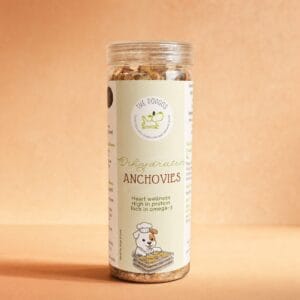
When choosing an Omega-3 supplement, I always recommend looking for sources low on the food chain to avoid heavy metal contamination. Small fish like anchovies and sardines are excellent choices. Our Dehydrated Anchovies, Dehydrated Sardines, and even Dehydrated Bombay Duck provide a fantastic, odour-controlled source of these vital fats, perfect even for vegetarian households. For a deeper dive into choosing the best options, read my guide on the best Omega-3 supplements for dogs in India, which also compares various sources in our Hemp Seed Oil vs. Fish Oil for Dogs article.
Hemp Seed Oil: The Anti-Inflammatory Powerhouse
Among plant-based Omega-3 and Omega-6 sources, Hemp Seed Oil stands out as a true superstar, and it is my featured product for this guide. What makes Hemp Seed Oil so special is its unique concentration of Gamma-Linolenic Acid (GLA), a rare Omega-6 fatty acid that acts as an anti-inflammatory. Unlike the inflammatory Omega-6s found in commercial chicken, GLA converts into Prostaglandin E1, which actively reduces inflammation and supports a healthy skin barrier.
For dogs suffering from atopic dermatitis, dry, cracking paws, dandruff, or persistent itching, GLA can be a game-changer. It bypasses the enzymatic conversion issues many dogs face with regular fats, providing direct relief. Beyond skin health, Hemp Seed Oil also offers a mild anxiolytic (calming) effect, making it beneficial for anxious dogs or during stressful periods like Diwali. Start introducing it about seven days before festivals to build a ‘calm buffer’. To learn more about its extensive benefits and usage, check out our detailed article on Hemp Oil for Dogs in India and how it contributes to best natural skin and coat supplements for dogs.
Baobab: Skin, Gut, and Immunity Support
The Baobab tree, often called the ‘Tree of Life’, offers incredible benefits for dogs. Baobab powder is a phenomenal source of Vitamin C, containing 5-6 times more than oranges. This fuels collagen synthesis, vital for strong ligaments and elastic skin, and acts as a massive immune shield. Its prebiotic fibre also helps settle the gut during diet transitions.
But it is Baobab Oil that truly shines for topical applications. Unlike heavy oils like coconut or mustard oil, Baobab Oil has a unique fatty acid profile (high Palmitic and Oleic acid) that allows it to absorb deep into the epidermis, mimicking the skin’s natural lipid barrier. This makes it incredibly effective for healing from the inside out. I have seen incredible results: fungal infections eradicated, alopecia reversed, hot spots dried in 24 hours, and hyperkeratosis (crusty nose) resolved in weeks. It is also an excellent natural soother for dogs after Holi colours. You can find Baobab’s healing power in our Baobab Oil, the detoxifying Baobab Therapy Mask, and the soothing Baobab Paw and Nose Balm. For topical solutions, do explore our guide to the best natural paw balms for dogs in India and how Baobab Oil naturally soothes skin.
Organ and Bone Boosts: Whole Prey Nutrition in a Sprinkle
In the wild, carnivores eat the whole prey, including nutrient-dense organs and bones. Our Bone and Organ Boost is designed to replicate this, providing a concentrated source of essential nutrients often missing in muscle-meat-only diets. It is rich in taurine (crucial for heart health, especially in certain breeds), iron (vital for red blood cell production, especially during recovery from conditions like tick fever), and a spectrum of trace minerals. It is a simple sprinkle that adds profound nutritional depth.
Turmeric: The Golden Anti-Inflammatory
A staple in Indian kitchens, turmeric is a potent anti-inflammatory and antioxidant. Its active compound, curcumin, can support joint health, boost immunity, and aid digestion. I often recommend adding a pinch of turmeric paste to home-cooked meals. However, it is crucial to use it correctly and in moderation. For proper dosage and preparation, refer to our guide on Can Dogs Eat Turmeric.
Moringa: The Desi Supergreen
Moringa, or drumstick leaves, is another local superfood packed with vitamins, minerals, and antioxidants. It can be a beneficial addition to your dog’s diet, especially for boosting overall vitality. However, like any potent supplement, it should be introduced gradually and in appropriate amounts to avoid digestive upset. Learn how to safely incorporate this nutritional powerhouse by reading our article on Moringa for Indian Dogs.
Supplements to Approach with Caution (or Avoid)
Not all popular supplements are created equal, and some common Indian household items can even be harmful.
Coconut Oil: Overhyped, Not Harmful
Coconut oil has gained immense popularity, but its benefits are often overstated. While it contains Medium Chain Triglycerides (MCTs) that can offer some energy and cognitive support, its high saturated fat content means it should be used sparingly internally. For skin and coat, it can be heavy and sit on the surface, potentially trapping heat and clogging pores, especially in humid Indian climates. While a small amount can be safe, it is not the miracle cure many claim. I have discussed this in detail in my articles on Can Dogs Eat Coconut? and Coconut Oil for Dogs in India.
Mustard Oil: A Strict No-Go
This is a common mistake I see among Indian pet parents, especially for topical use. Mustard oil is harmful to dogs. It contains erucic acid, which can be toxic and cause severe skin irritation, rashes, and digestive upset. Never apply mustard oil to your dog’s skin or feed it to them. For more information on why this oil is dangerous, read our guide on Why Mustard Oil is Harmful for Dogs.
How to Choose the Right Supplement for Your Dog
Selecting the right supplement requires a thoughtful approach:
- Assess Your Dog’s Diet: Identify any potential gaps in their current food. Are they eating boneless meat? Is their Omega-6:3 balance off?
- Consider Their Needs: Age, breed, activity level, and existing health conditions all play a role. A senior dog with joint issues might benefit from glucosamine-rich Chicken Feet, while an itchy dog needs Omega-3s like Hemp Seed Oil or Dehydrated Anchovies.
- Prioritise Quality: Look for natural, single-ingredient supplements with clear sourcing. Avoid products with fillers, artificial colours, or preservatives.
- Introduce Gradually: Always start with a small amount and observe your dog for any adverse reactions.
- Consult a Canine Nutritionist: For complex health issues or if you are unsure, a certified canine nutritionist like myself (Mahiv Amit Chhabra) can provide personalised guidance.
Comparison Table: Common Supplements & Their Benefits
| Supplement | Primary Benefit | Key Nutrient(s) | The Doggos Product(s) |
|---|---|---|---|
| Hemp Seed Oil | Anti-inflammatory, skin & coat, calming | GLA, Omega-3, Omega-6 | Hemp Seed Oil |
| Dehydrated Anchovies | Omega-3 balance, brain health | EPA, DHA | Dehydrated Anchovies |
| Dehydrated Chicken Feet | Joint health, calcium, dental cleaning | Glucosamine, Chondroitin, Calcium | Dehydrated Chicken Feet |
| Baobab Oil | Skin healing, anti-fungal, moisturising | Palmitic Acid, Oleic Acid, Vitamin C | Baobab Oil, Baobab Paw and Nose Balm |
| Bone and Organ Boost | Taurine, iron, trace minerals, vitality | Taurine, Iron, Zinc, B Vitamins | Bone and Organ Boost |
Common Mistakes Indian Pet Parents Make with Supplements
- Treating Supplements as a Magic Bullet: No supplement can fix a fundamentally poor diet. Focus on fresh, species-appropriate food first.
- Ignoring Calcium:Phosphorus Ratio: Feeding boneless chicken for years without a calcium source is a recipe for skeletal problems.
- Using Human Supplements: Human supplements often contain ingredients or dosages unsuitable for dogs.
- Over-Supplementing: More is not always better. Excessive amounts of certain vitamins or minerals can be toxic.
- Not Considering Sourcing: Cheap, low-quality supplements can be ineffective or even harmful. Always choose reputable brands.
While I provide comprehensive nutritional advice, remember that this information is not a substitute for veterinary care. Always consult your vet for diagnosis and treatment of any health conditions.
Elevate Your Dog’s Health Naturally
Choosing the right natural dog supplements in India is about understanding your dog’s biological needs, recognising the common gaps in modern diets, and selecting high-quality, effective solutions. At The Doggos, we believe in supporting your pet’s health with ingredients nature intended.
For a truly transformative addition to your dog’s diet, I highly recommend our Hemp Seed Oil. Its unique anti-inflammatory properties and skin-healing benefits make it an essential supplement for many Indian dogs struggling with skin issues or inflammation. Explore our full range of natural dehydrated dog treats, hemp supplements for dogs, and natural dog grooming solutions to find the perfect additions for your furry family member. You can view all our offerings on our products page.